The global matcha market keeps expanding. It reached nearly $4 billion in 2024 and is projected to exceed $7 billion by 2032. But beneath the boom lie challenges – supply shortages, rising prices, and growing quality concerns.
This article examines two trends: Why is hojicha suddenly gaining popularity? Why are pre-mixed matcha products becoming more common? These trends may seem unrelated, but they point to the same issue: as the matcha industry grows rapidly, cracks are beginning to appear.
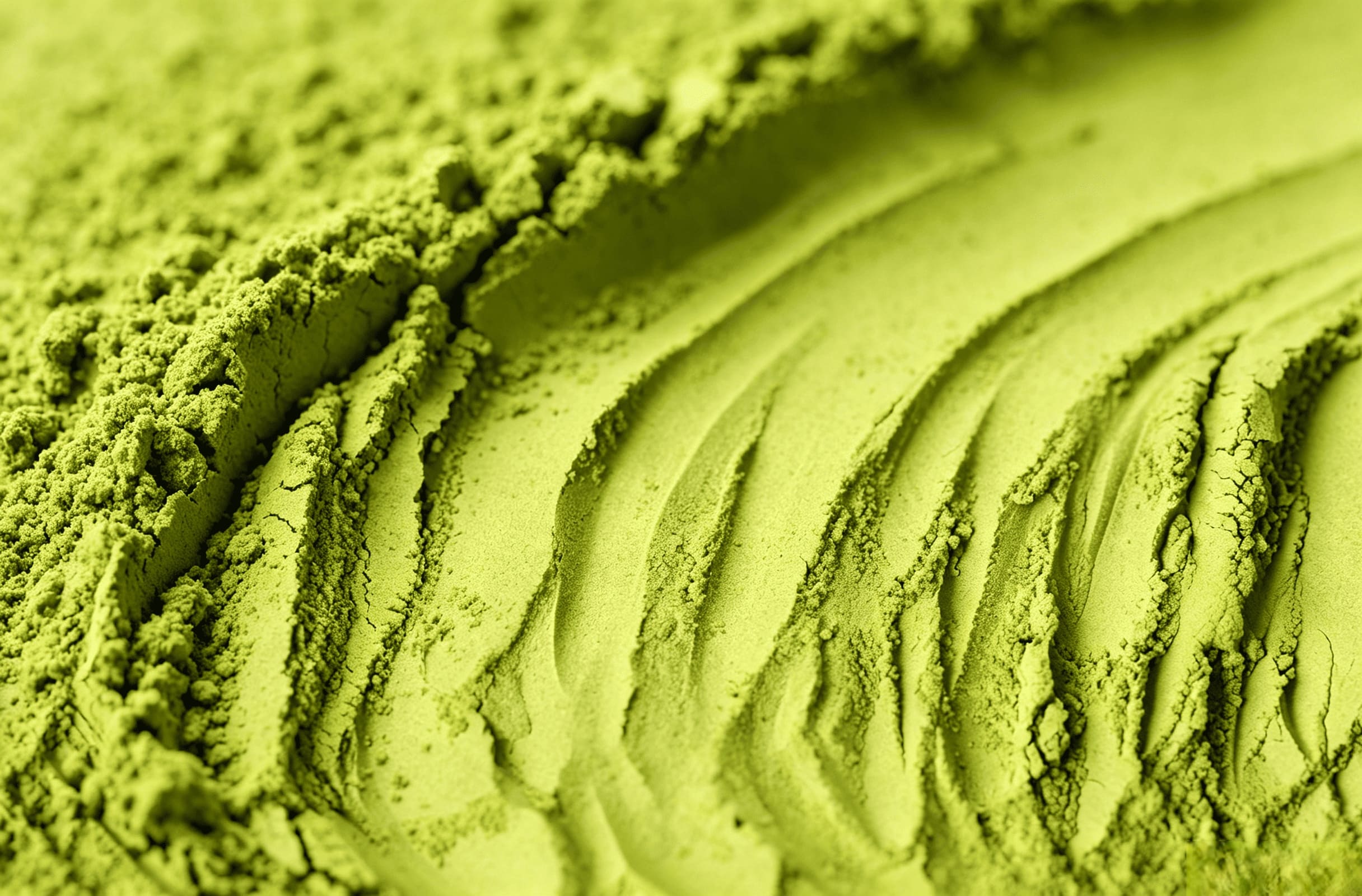
As a matcha powder manufacturing factory, we choose a different path: we respond to these challenges with purity and transparency, not shortcuts.
Hojicha: Matcha’s “Roasted Cousin” Is Gaining Attention
What Is Hojicha?
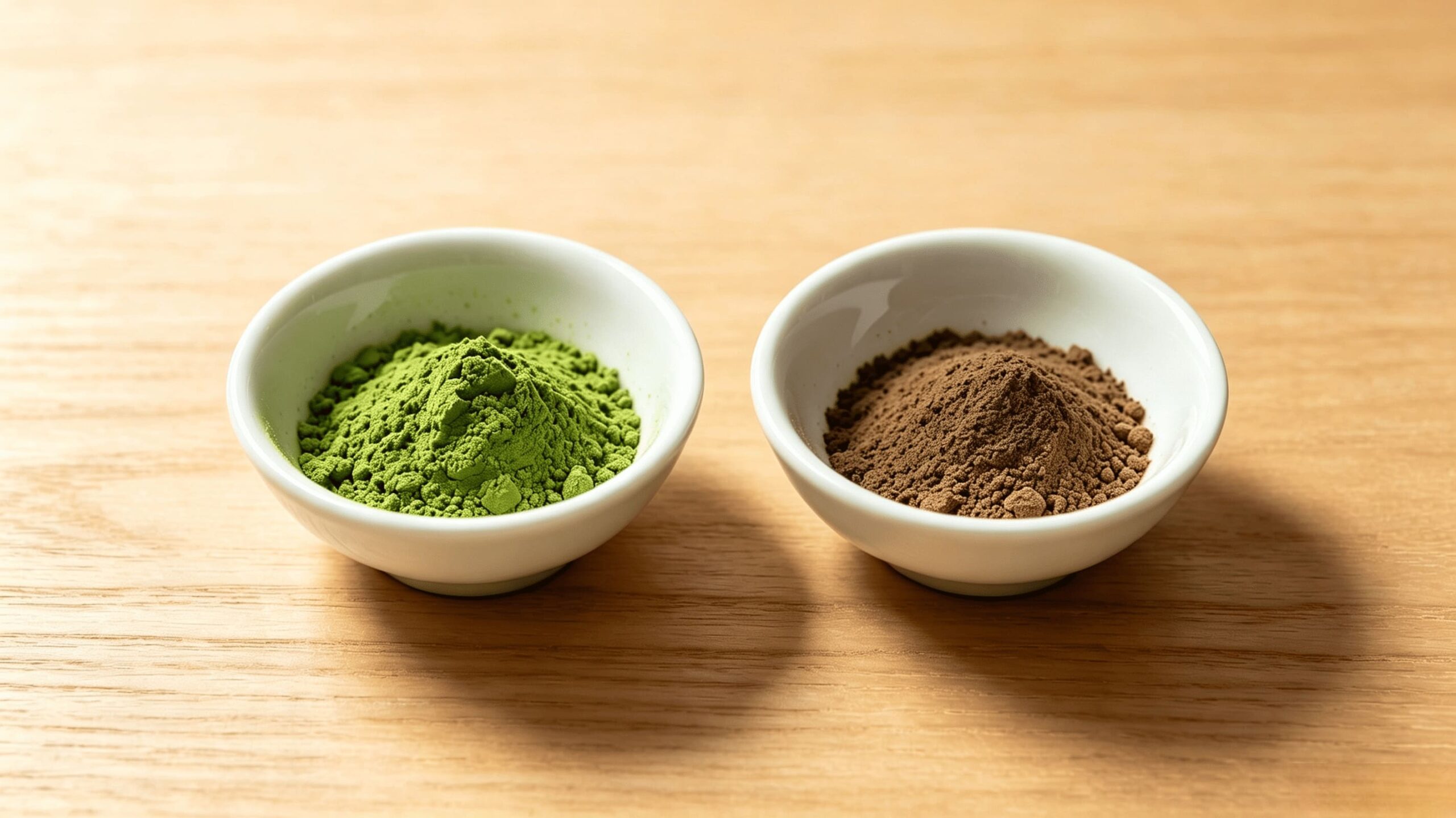
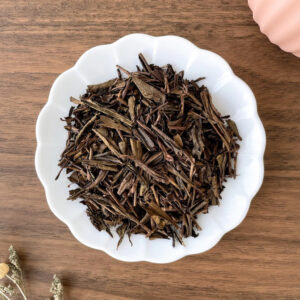
Hojicha is not a new tea variety. Producers roast green tea (commonly sencha, bancha, or tea stems) at high temperatures – around 200°C. The color changes from green to reddish-brown. It gives off a distinctive nutty, caramel-like aroma. The taste is smooth, with very little astringency.
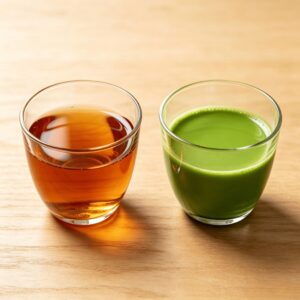
Why Is Hojicha Gaining Popularity?
The supply-side driver is a key factor. In 2025, record-breaking heatwaves in Kyoto reduced matcha yields, sending tencha auction prices significantly higher. As matcha supply tightened and prices rose, hojicha – with its lower cost and more stable supply – entered the spotlight.
Demand-side drivers also play a role. Hojicha contains only one-third to one-half the caffeine of regular tea, making it suitable for caffeine-sensitive consumers and evening consumption. Its roasted aroma offers a warm flavor profile that contrasts with matcha’s grassy freshness – appealing to consumers looking for something different. Its versatility across hot and cold applications – lattes, smoothies, desserts, and baking – further broadens its appeal.
Can Hojicha Replace Matcha?
The answer is no. Hojicha addresses different “application scenarios,” not “matcha itself” – their flavor profiles are fundamentally different. Matcha powder’s umami comes from shaded cultivation and steaming; hojicha’s flavor comes from high-temperature roasting. For B2B buyers, hojicha is a complementary category worth monitoring – but it cannot fully replace pure matcha powder.
Pre-Mixed Matcha Products: A Transparency Challenge for the Industry
What Are Pre-Mixed Matcha Products?
These products mix a small amount of real matcha with flavors, sugar, non-dairy creamer, or other powders. They still sell under the “matcha” name, but matcha content is often far below what consumers expect. Such products are increasingly common globally, especially in ready-to-drink and foodservice channels.
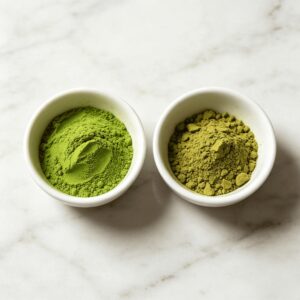
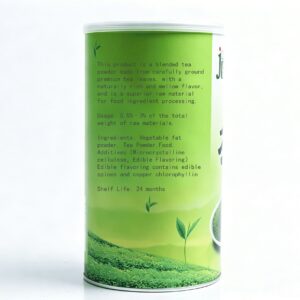
Three Core Issues with Pre-Mixed Products
Quality is hard to guarantee. The base is often lower-grade tea powder. It tastes more bitter. It has far fewer nutrients than authentic shade-grown matcha. Formulations and raw material sources can vary significantly between batches.
Traceability is limited. Once matcha dilutes into pre-mixed products, its true origin becomes unclear. Information on source region, cultivation methods, and pesticide testing becomes hard to trace. This creates compliance risks – different markets have different residue standards. A supply chain lacking transparency makes full compliance harder.
Consumer expectations suffer. Some products carry the “matcha” name and price, but contain only a fraction of real matcha. Some even use artificial colors to imitate green. Consumers pay matcha prices, but they don’t get pure matcha.
Why Is the “Matcha” Label Used Broadly?
In many markets, the term “matcha” lacks a strict legal definition. There is no universally agreed standard for the properties and manufacturing characteristics that matcha must meet. Regulatory approaches vary significantly across countries. This allows broad use of the “matcha” label. Buyers cannot easily determine a product’s true composition and quality from its label alone.
In this environment, matcha sourcing is no longer simple – you need to know whether your supplier’s product is pure matcha powder or a blend.We always produce pure matcha powder – no additives, no dilution, no ambiguity. Every batch is traceable from shaded cultivation to stone grinding. This is what we believe matcha should be.
Implications for B2B Buyers
These four points are worth careful consideration in your sourcing decisions:
When sourcing pure matcha powder: Ask suppliers for proof of shaded cultivation, comprehensive pesticide residue test reports, and clear grading standards. Don’t rely on product names alone. This is especially critical when evaluating ceremonial grade vs culinary grade matcha powder – each serves different applications, and the quality parameters vary significantly.
When considering hojicha as a supplementary category: Understand its flavor differences and cost advantages – but recognize that it serves different applications. It’s a complement, not a replacement.
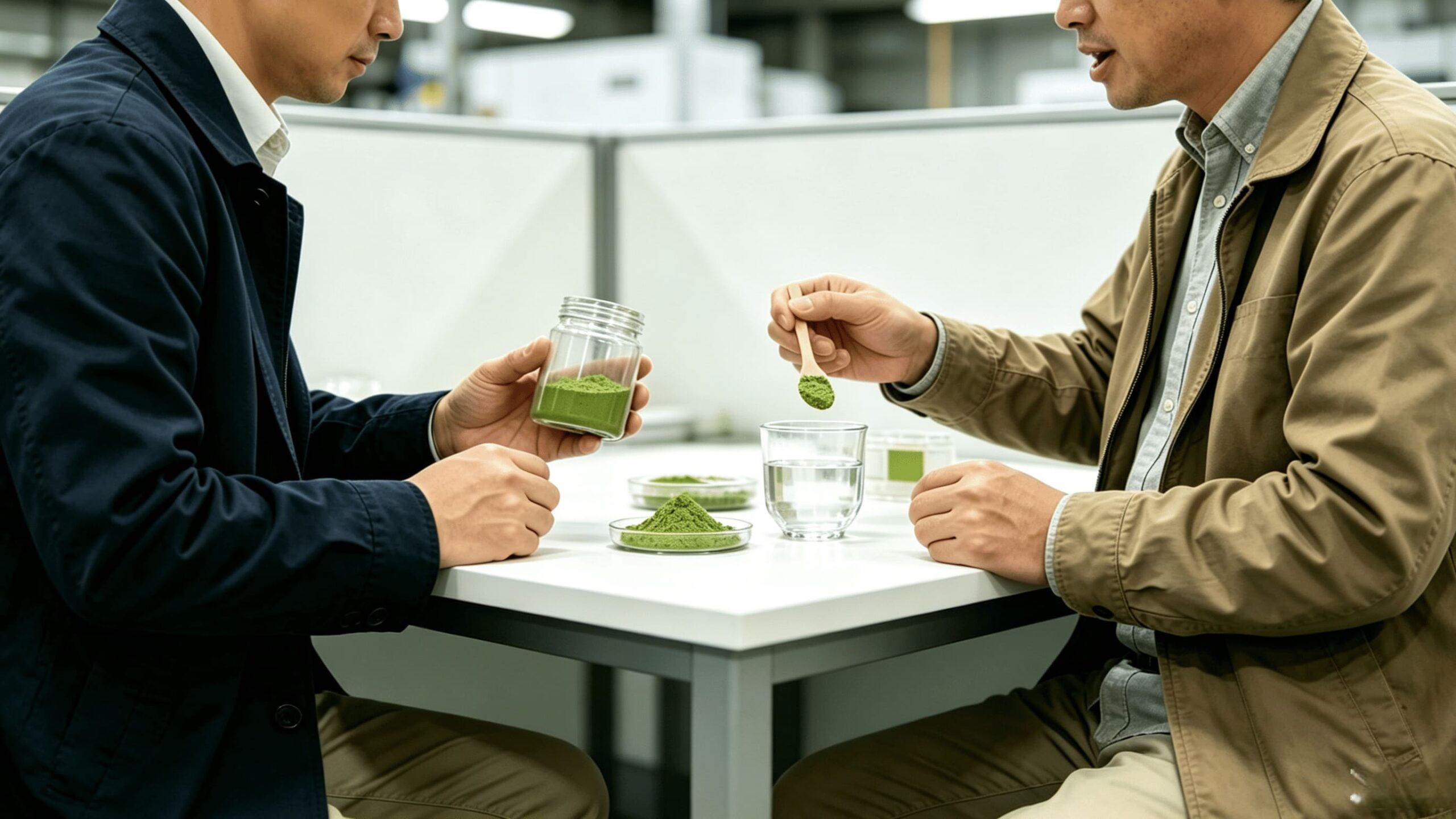
Evaluate pre-mixed products carefully: Review ingredient lists and product specifications thoroughly. Ask suppliers to clearly state the actual matcha content and origin. Transparent ingredient disclosure is essential for quality assessment.
Choose traceable suppliers: Traceability is not only a guarantee of quality – it’s also a prerequisite for export compliance. Knowing where your matcha powder comes from matters more than knowing what it’s called. For B2B buyers sourcing bulk matcha powder, supplier transparency is especially critical.
Conclusion: Transparency Is the Strongest Competitive Advantage
The matcha industry’s challenges are being amplified by hojicha’s rise and the spread of pre-mixed products. Supply shortages create alternatives. The lack of clear standards creates gray areas.
For B2B buyers, challenge also brings opportunity – choosing a truly transparent supplier means choosing certainty in quality. In hojicha’s story, we see a category worth watching. In the pre-mixed story, we see why purity matters more than ever. Together, they point to one conclusion: when the industry gets complicated, the simplest principles hold the most power – transparency, authenticity, and traceability.
As a matcha powder manufacturing factory, we choose to respond to complexity with clarity, to uncertainty with data, and to every sourcing decision with a supply chain you can verify. Whether you need bulk matcha powder for commercial production or pure matcha powder for premium applications, we provide full transparency from cultivation to delivery.
Contact us to request samples and product specifications.
#matcha powder #pure matcha powder #matcha sourcing #matcha supply shortage #matcha industry challenges #matcha powder manufacturer
Leave a Reply