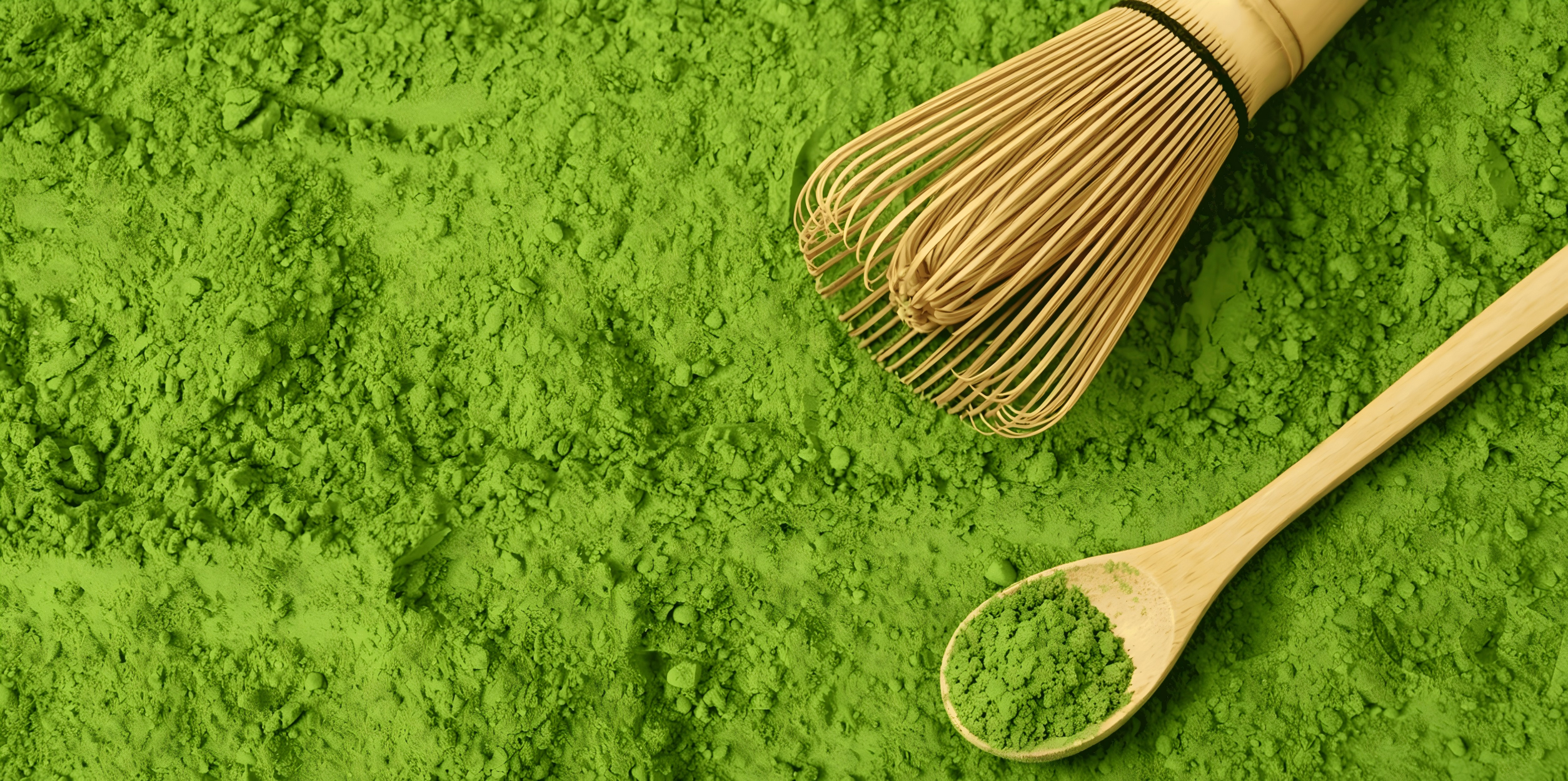
Many products sold as “matcha powder” are actually green tea powder with added colors and flavors. The most common questions we hear: “How to identify high quality matcha powder?” and “Why is someone else’s pure matcha powder so much cheaper?”
The answer comes down to one thing: where the raw material begins.
This article covers the fundamentals of premium matcha tea from a buyer’s perspective — whether you need bulk matcha powder for your café or organic matcha green tea powder for retail.
Shading: The First Divide Between Matcha and Green Tea
Ordinary green tea grows in full sun, producing high levels of catechins (polyphenols) that create bitterness.
Matcha powder plants are covered 20–30 days before harvest, achieving shade rates of over 90%. This changes the leaf’s chemistry:
Amino acids (theanine) spike → creates umami
Polyphenols decrease → reduces bitterness
Chlorophyll doubles → delivers vibrant green
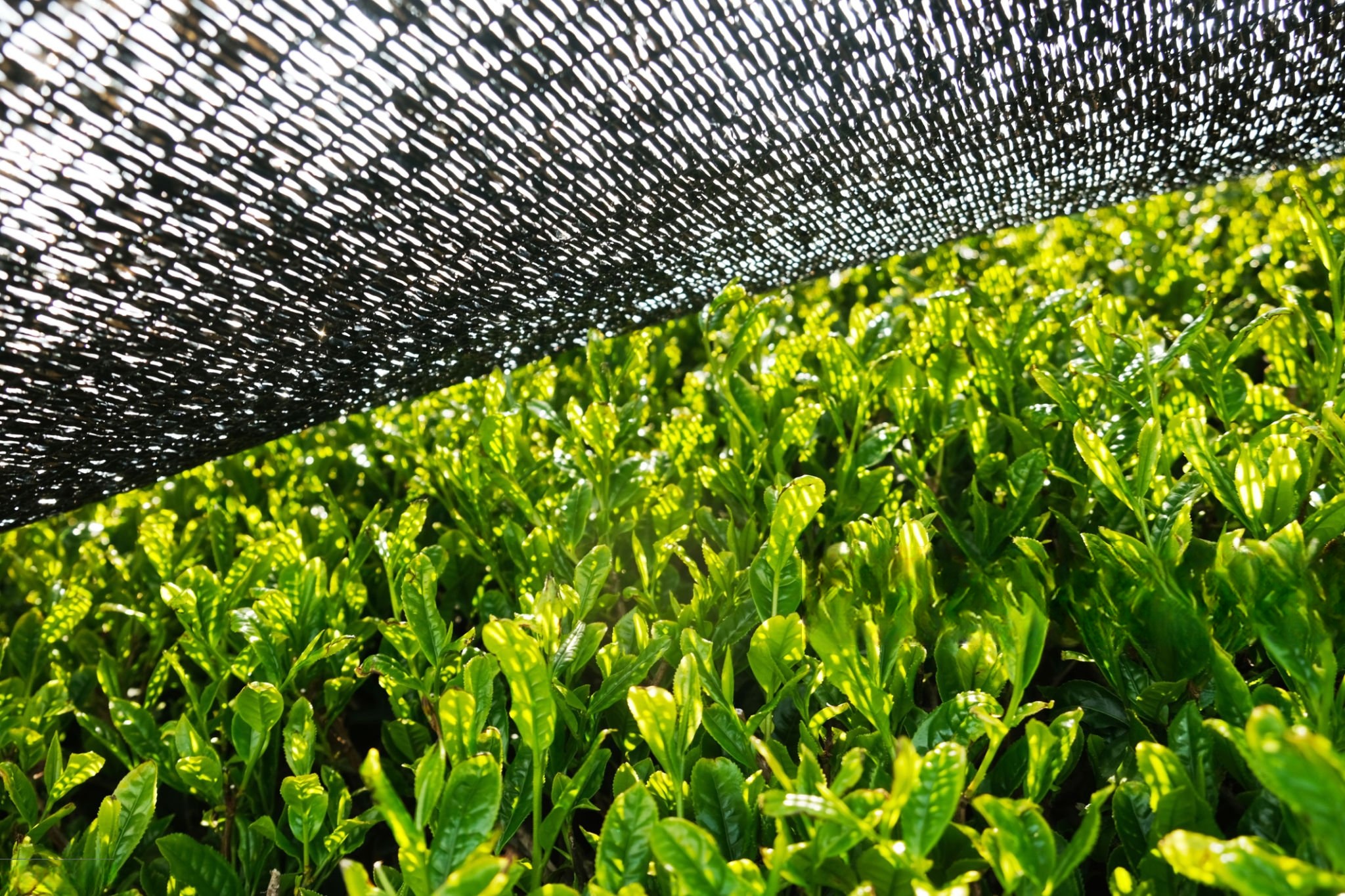
Longer shading = more umami, less bitter, greener color. Leaves shaded for 20+ days become tencha – the true base of ceremonial grade matcha.
Buyer tip: Always ask your supplier how many shading days they use. If vague or “none,” it’s not pure matcha powder.
Cultivar: The Genetic Ceiling of Premium Matcha Tea
Suitable matcha cultivar share three traits: high chlorophyll, high theanine, and strong shade response.
In China, validated cultivars include:
Longjing 43 – vibrant green, pure aroma. Widely used for organic matcha green tea powder.
Zhongcha 108 – even greener, cold/drought resistant.
Echa 1, Fuding Dabaicha – good potential.
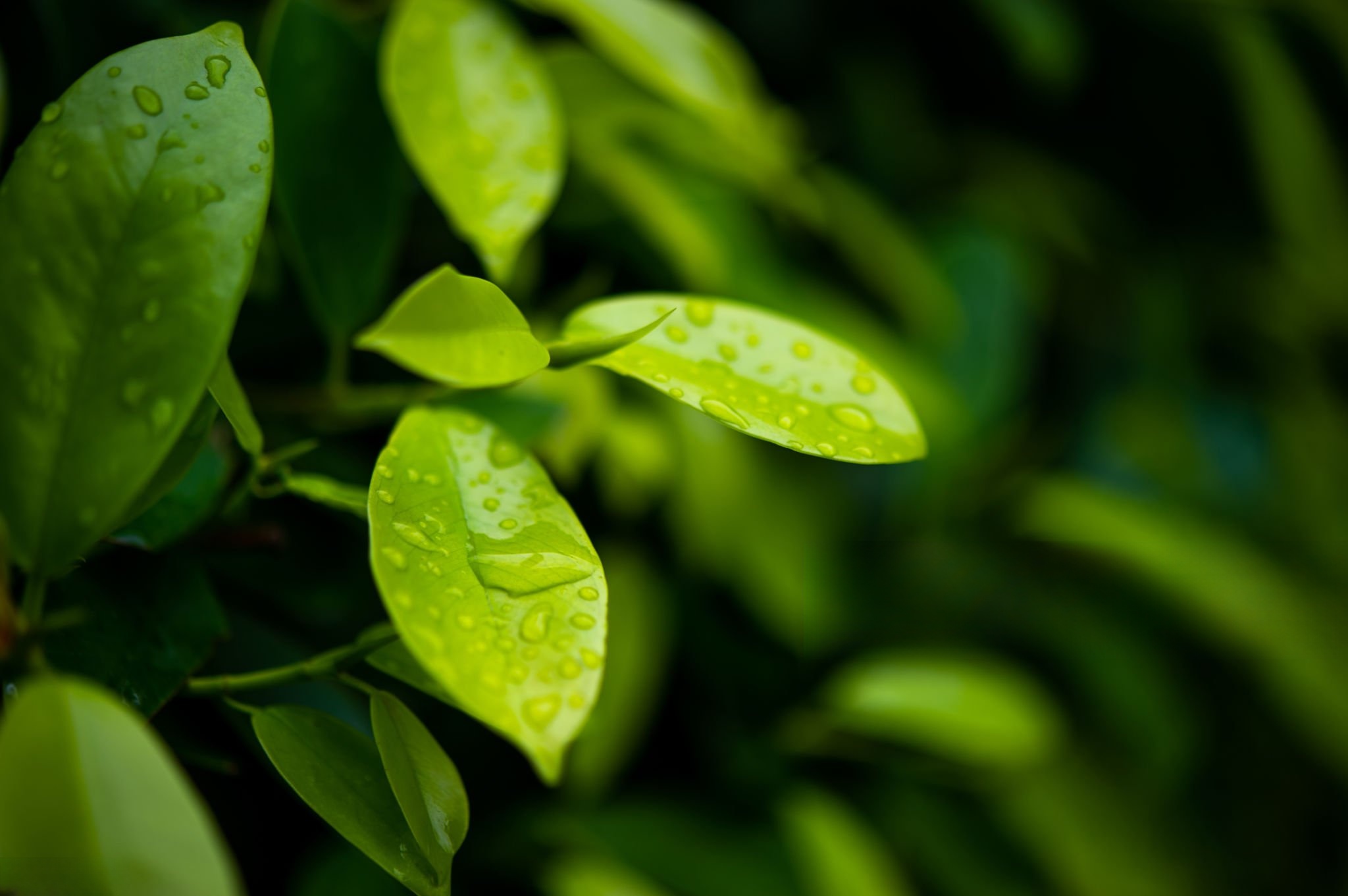
In Japan, common varieties: Yabukita, Okumidori, Asahi, Asatsuyu – objective reference.
The core standard: ability to accumulate amino acids and chlorophyll under shade while keeping low polyphenols. This is what separates ceremonial grade vs culinary grade matcha powder at the genetic level.
Buyer tip: Ask which specific cultivar is used. Vague answers like “generic green tea” are a red flag.
Tencha vs Green Tea: The Semi-Finished Product That Determines 90% of Quality
Best matcha powder cannot be made by grinding ordinary green tea. It requires tencha.
Key differences between tencha vs green tea:
Plucks one bud + four to five leaves (mature)
Steam fixation (no rolling) – locks chlorophyll and amino acids
Stem-leaf separation – leaves and stems dried separately
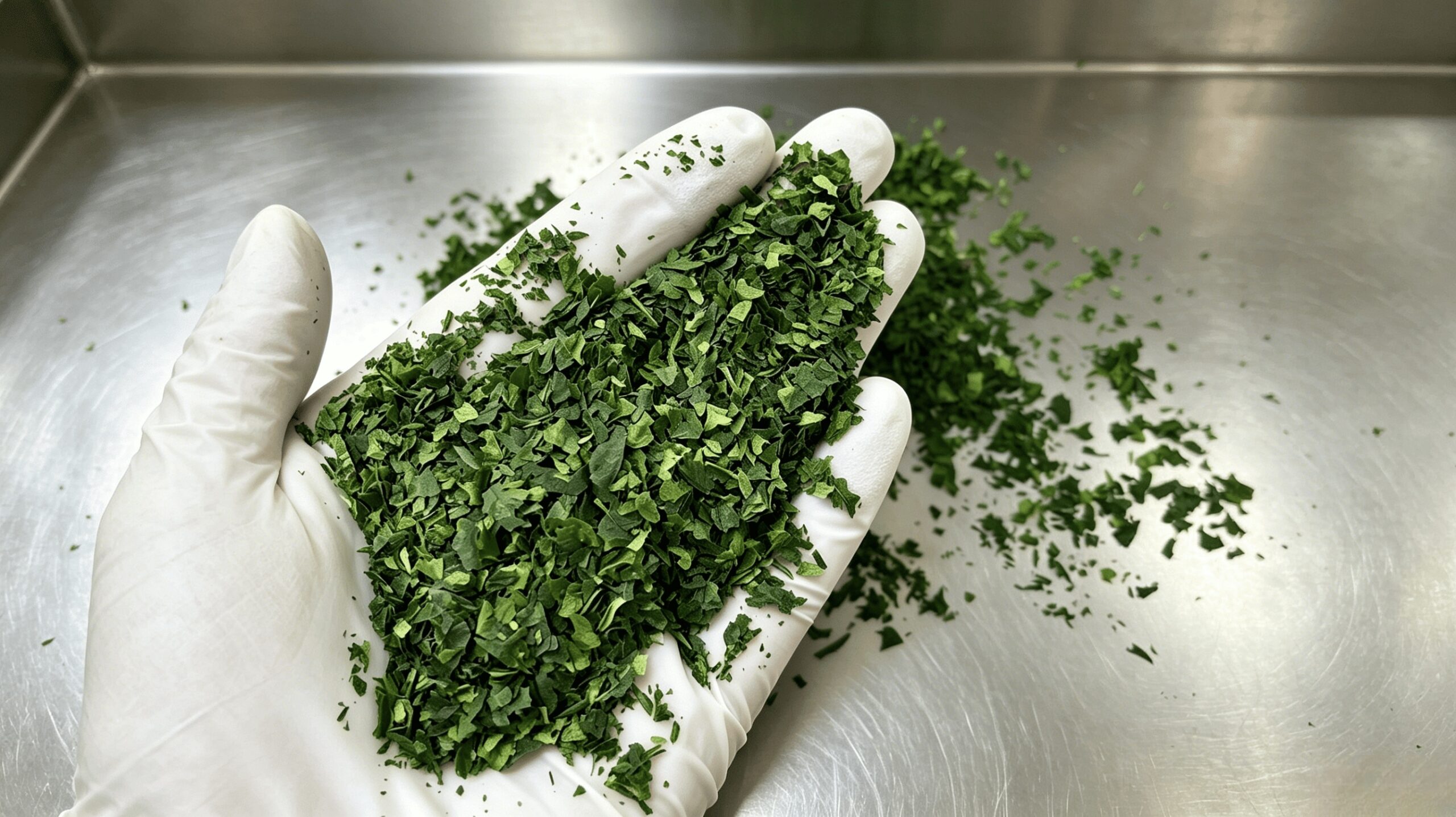
Quality tencha is bright green and smells distinctly of seaweed (nori). Yellowish or smoky odors indicate poor processing — never use such material for culinary matcha or ceremonial grade.
Buyer tip: If your supplier produces their own tencha, ask for a sample. Look for bright green and clean seaweed aroma — signs of high quality matcha powder.
Five Quick Ways to Assess Pure Matcha Powder Quality
No lab equipment needed. These five checks help you screen bulk matcha powder suppliers:
Color – Bright vivid green = premium matcha tea. Yellow-green or dull = poor.
Aroma – Seaweed/umami = good. Grassy, burnt, or artificial = fake.
Texture – Ultra-fine, no grit (≥1000 mesh) = proper culinary matcha or higher.
Cold water test – Even suspension, minimal sediment = real matcha green tea. Rapid separation = adulterated.
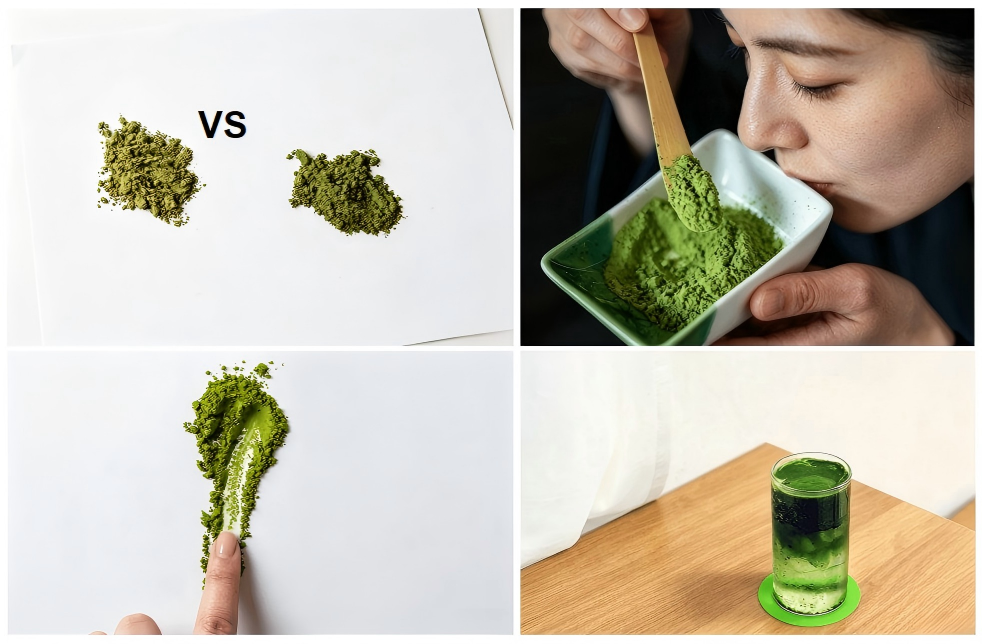
Three key questions——Shading days? Cultivar? Tencha self-produced?
If the supplier hesitates or price is too low, it’s likely not organic matcha green tea powder.
Why Raw Materials Matter More Than Processing
You can buy advanced equipment, but you cannot compensate for poor raw materials:
No shading = low theanine → no umami → can’t be ceremonial grade matcha.
Wrong cultivar = low chlorophyll → no natural green → fake pure matcha powder.
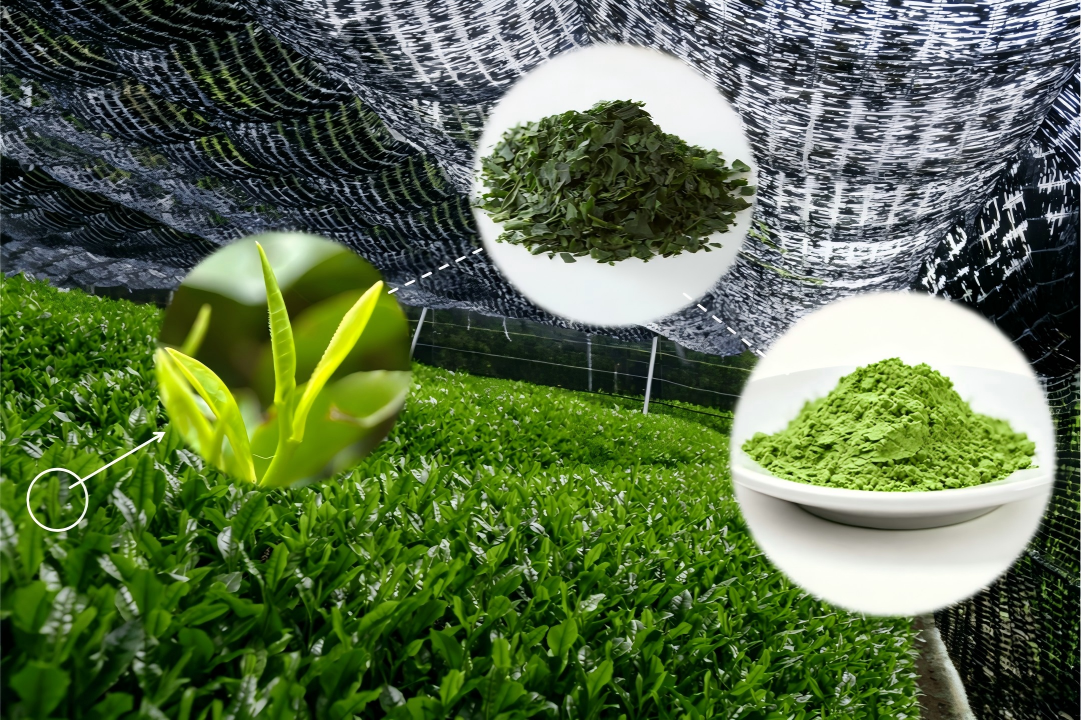
When raw materials are right (proper shading, correct cultivar, standard tencha), then standard grinding and packaging consistently produce the best matcha powder for your business.
Final Recommendations for Matcha Buyers
When selecting a supplier for wholesale matcha powder, ask for:
Shade cultivation documentation
Cultivar declaration
Tencha source (in-house or long-term partner)
Third-party lab reports (theanine, chlorophyll, pesticide residues)
A transparent supplier is the only way to secure high quality matcha powder consistently — whether you need culinary matcha for baking or ceremonial grade matcha for tea ceremonies.
The matcha market will be won on raw material quality. Your product’s repeat purchase rate depends on the grade you choose.
For sample comparisons of pure matcha powder or complete quality test reports, contact us.
#matcha shading process #tencha quality #matcha cultivar varieties #shaded tea cultivation #tencha vs matcha #premium matcha raw materials
Leave a Reply