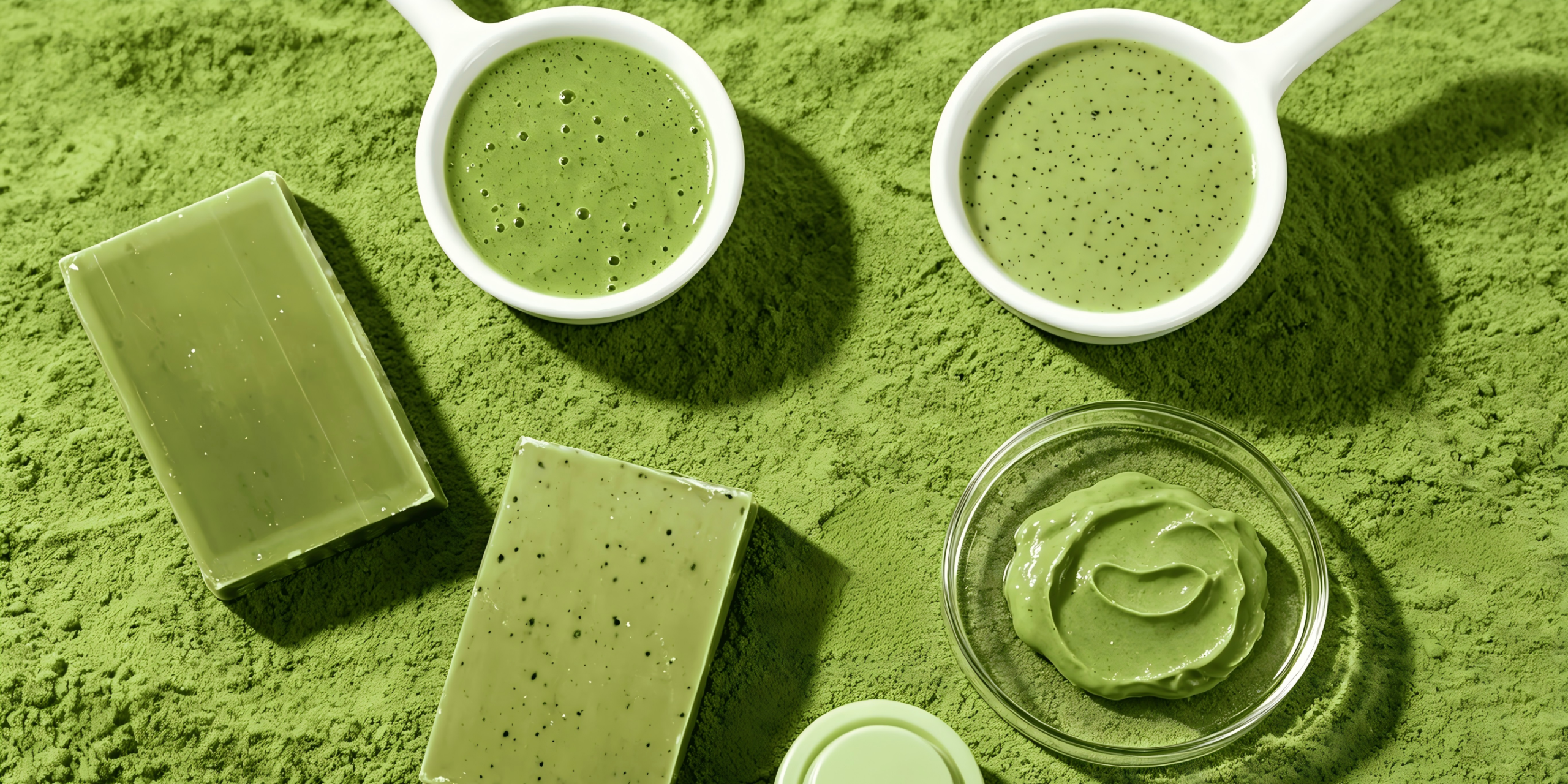
Matcha powder is no longer just for drinking. Over the past five years, the global beauty industry has discovered what Japanese culture has known for centuries: stone-ground organic matcha green tea powder delivers potent antioxidant, anti-inflammatory, and sebum-regulating benefits. For personal care brands – from indie skincare lines to contract manufacturers – pure matcha powder offers a natural, clean-label ingredient that commands premium pricing.
This guide covers everything you need to know about formulating with culinary matcha and cosmetic-grade matcha across skincare, body care, color cosmetics, and soap – including commercial-grade selection, stability solutions, and actionable product ideas.
Skincare: The Antioxidant Powerhouse
Is matcha powder good for skin health? Absolutely. The high concentration of EGCG in premium matcha tea (up to 137x higher than regular green tea) makes it ideal for anti-aging, soothing, and purifying products.
Matcha Face Masks
Wash-off mask: 0.5–2% culinary matcha in clay or gel base – excellent for oily/acne-prone skin.
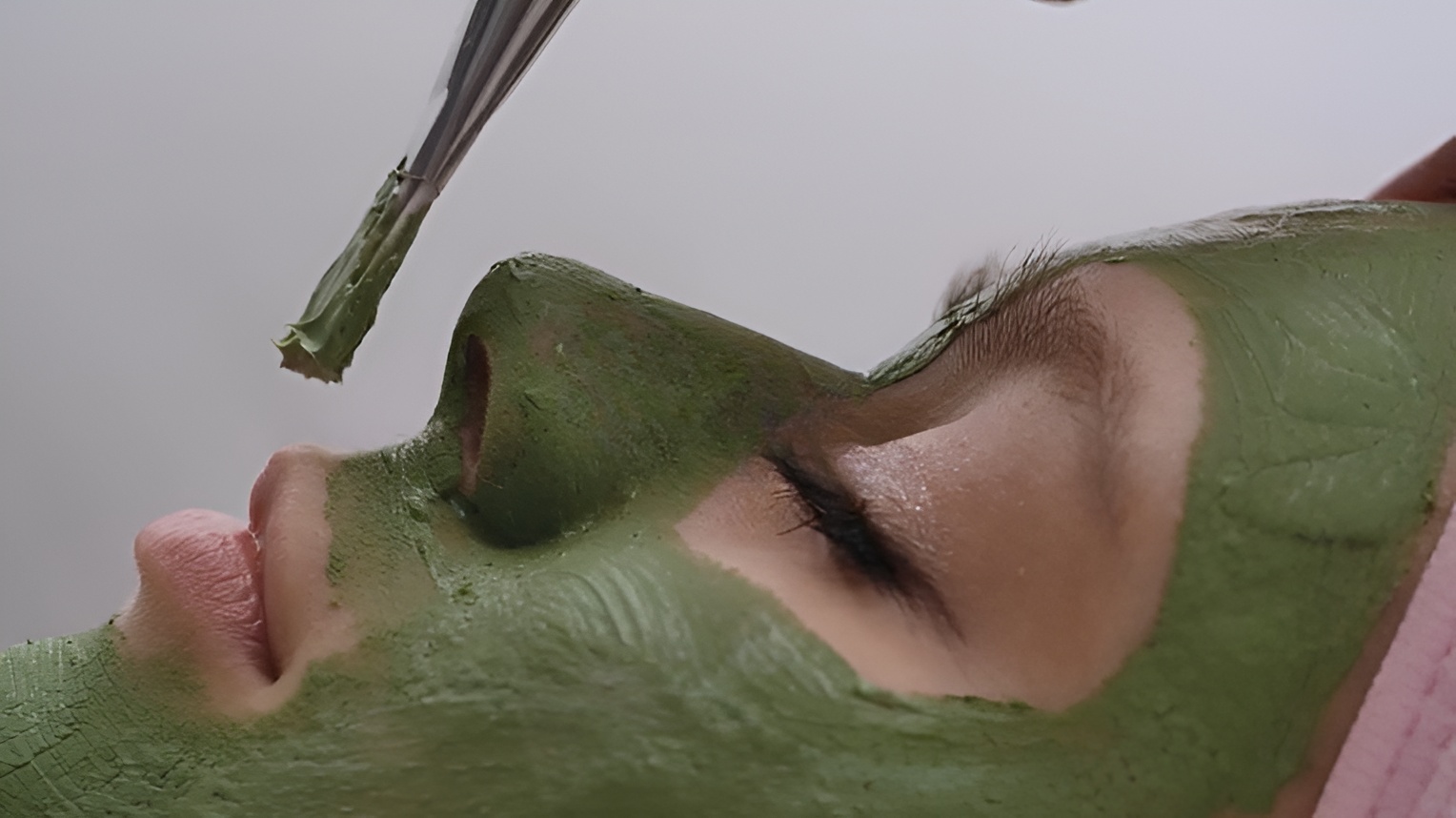
Sleeping mask: 0.3–0.8% with hyaluronic acid.
Commercial tip: Use ultra-fine matcha green tea powder (≥1000 mesh) to prevent grittiness.
Matcha Facial Cleansers
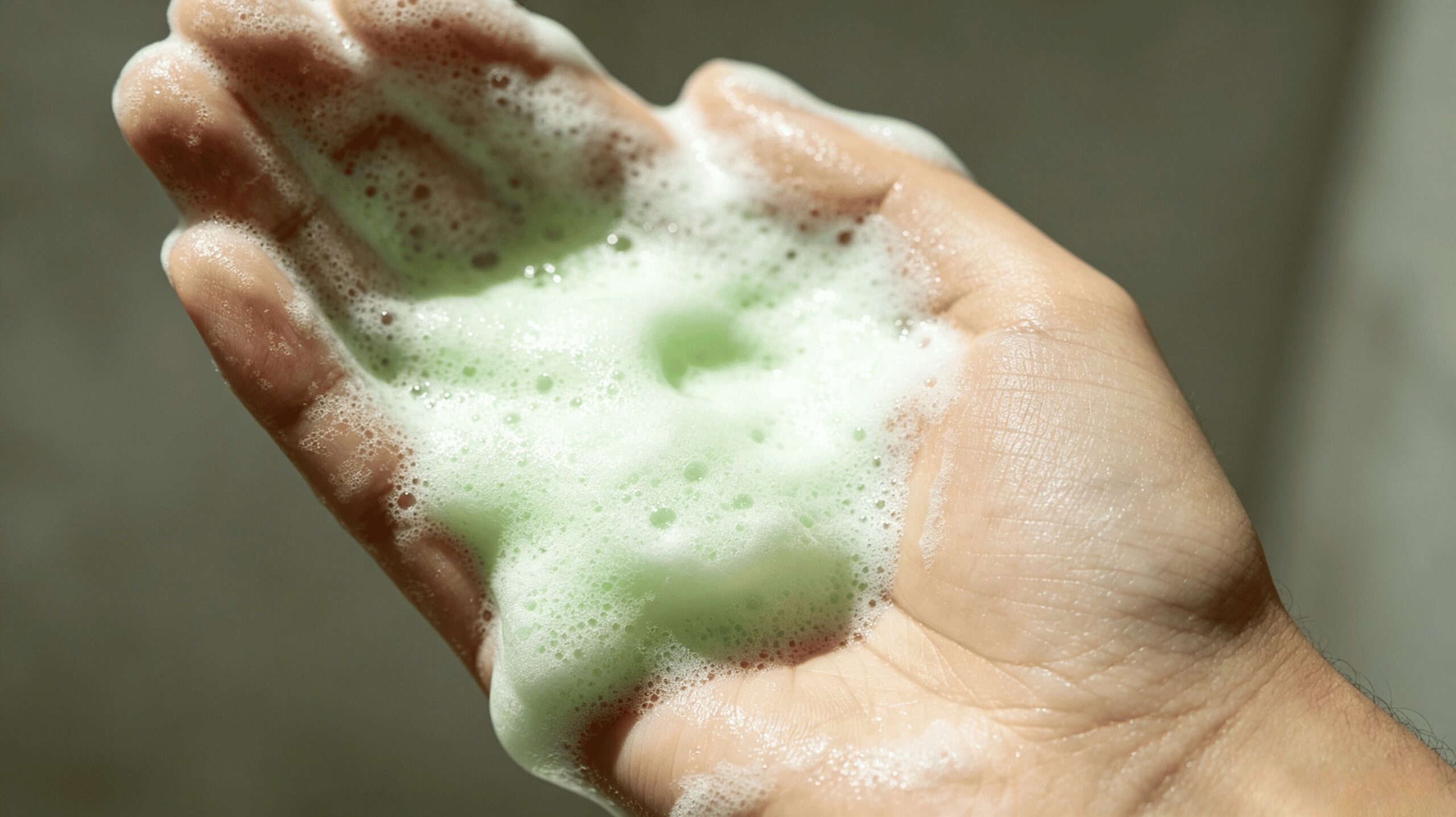
Replace plastic microbeads with pure matcha powder for mild exfoliation. Works in soap-based or amino-acid cleansers, adding natural pale green color and a fresh grassy scent.
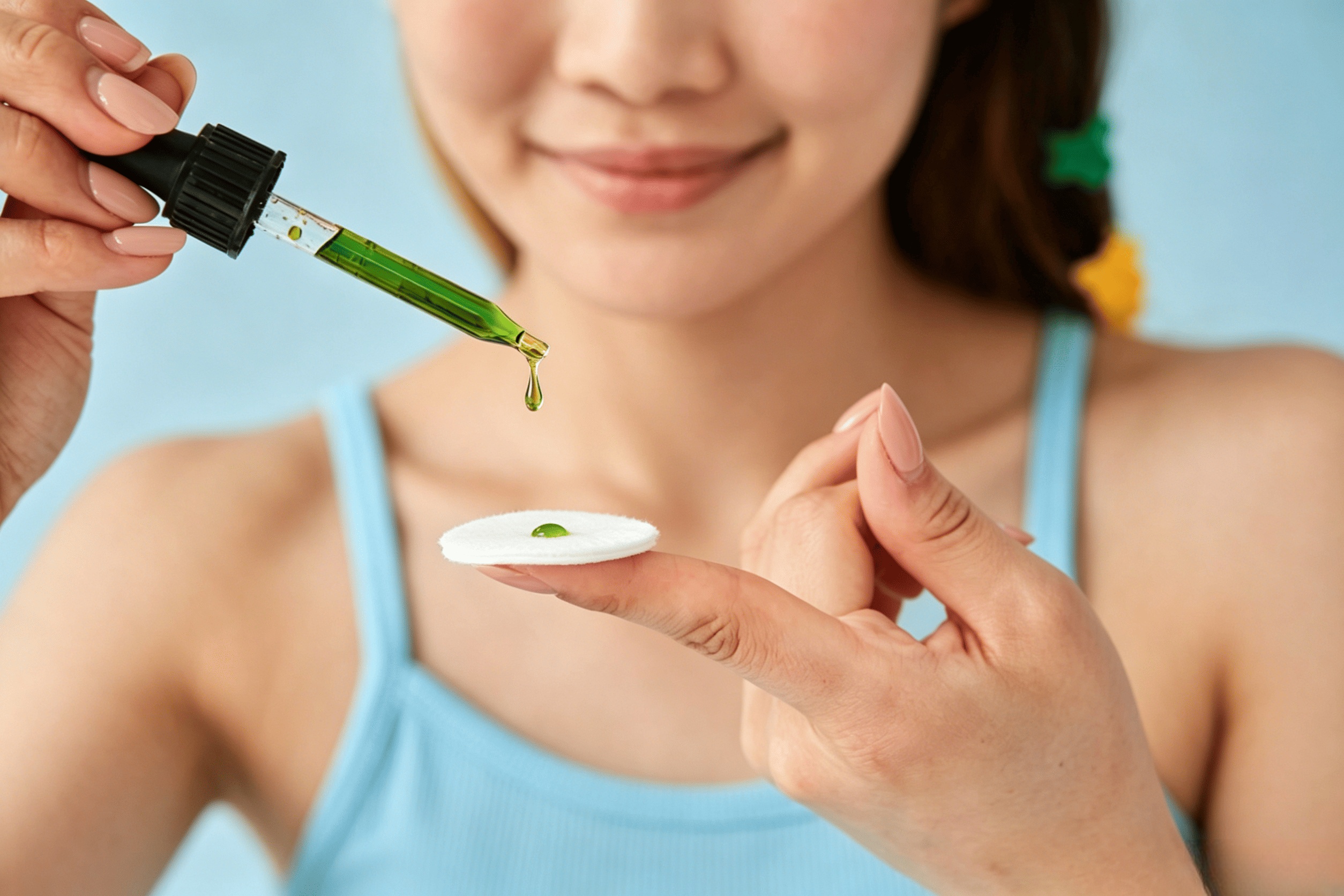
Matcha Serums & Toners
Water-based systems with 0.2–0.5% matcha extract (or 0.1% sterilized fine powder). Pair with vitamin C or niacinamide. Key challenge: color oxidation (green to brown). Solution: opaque airless pumps + tocopherol (vitamin E).
Matcha Clay Masks
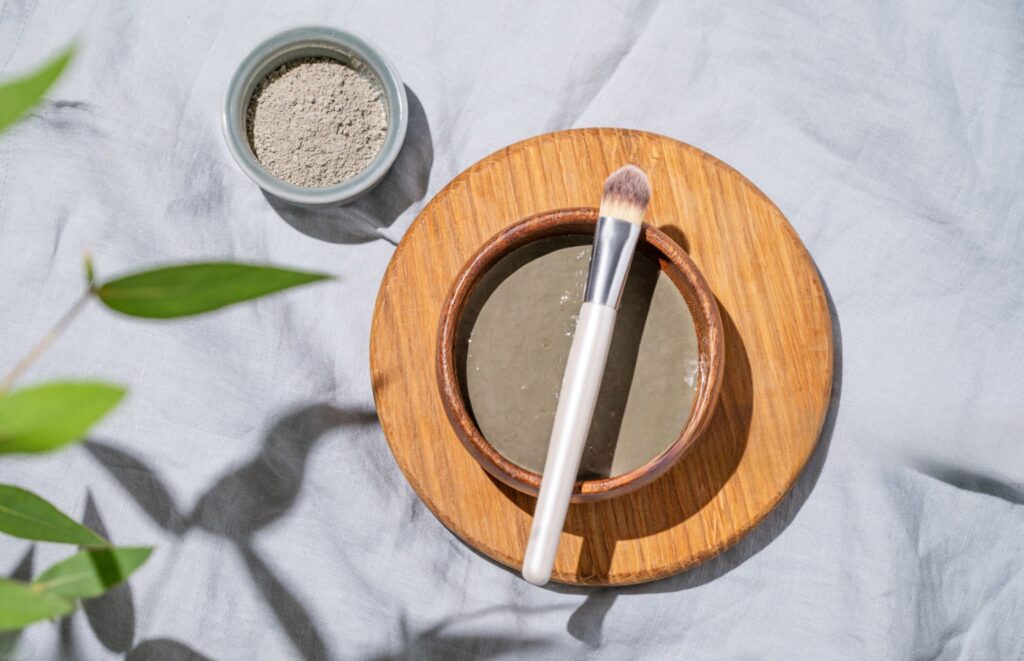
Blend kaolin or bentonite clay with 1–2% best matcha powder for skincare. The green hue visually reinforces “purifying” claims.
Skincare Formulation Checklist
Particle size: ≥1000 mesh
Dosage range: 0.2% – 2%
pH stability: 5.5 – 6.5Preservation: Heat treatment or irradiation
Body Care: Spa-Like Experiences
How to use matcha powder in body care? Very simply.
Matcha Body Scrubs
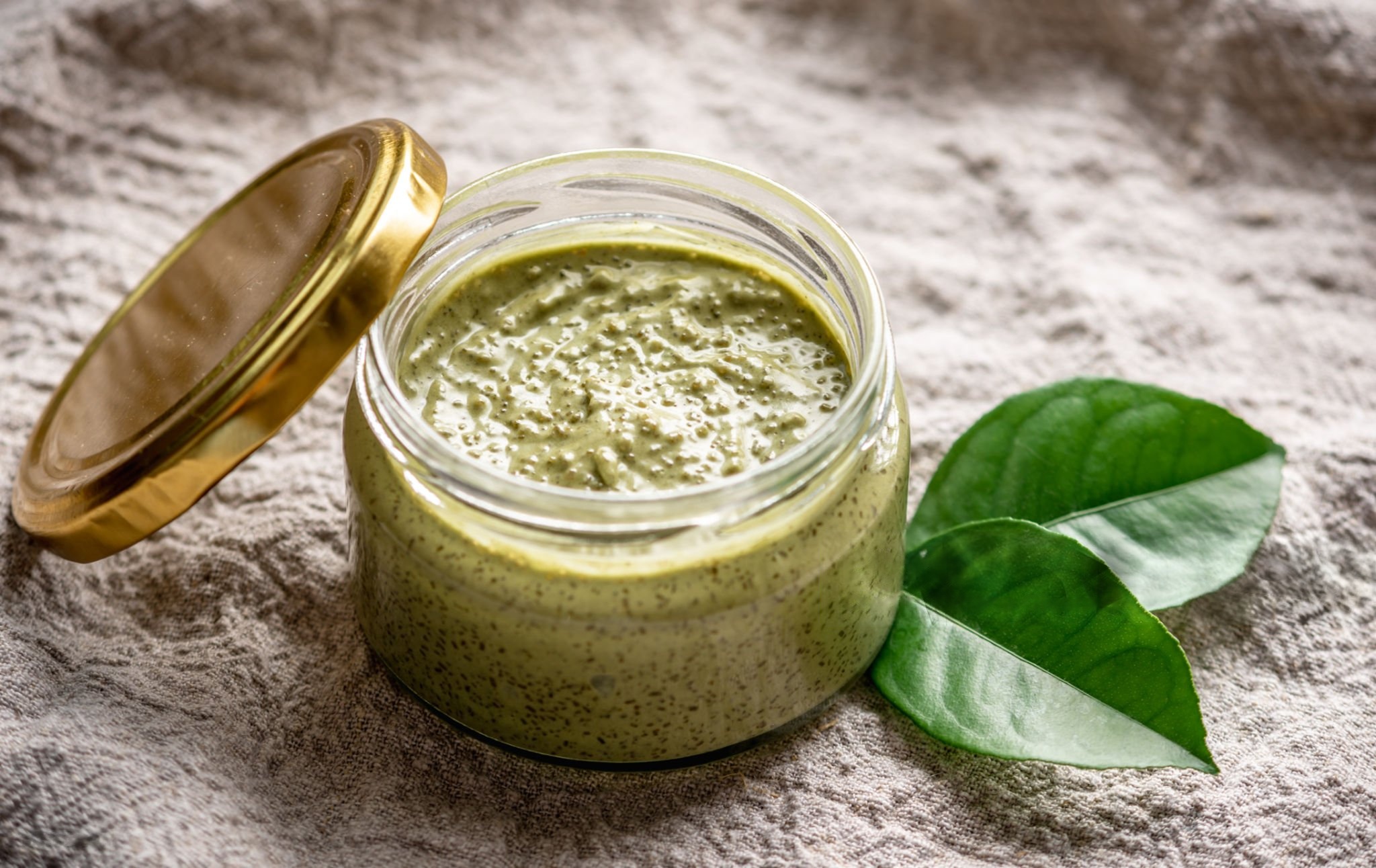
Sea salt or sugar base + 1–2% culinary matcha powder. Provides natural green color and gentle exfoliation. Control grind size.
Matcha Shower Gels
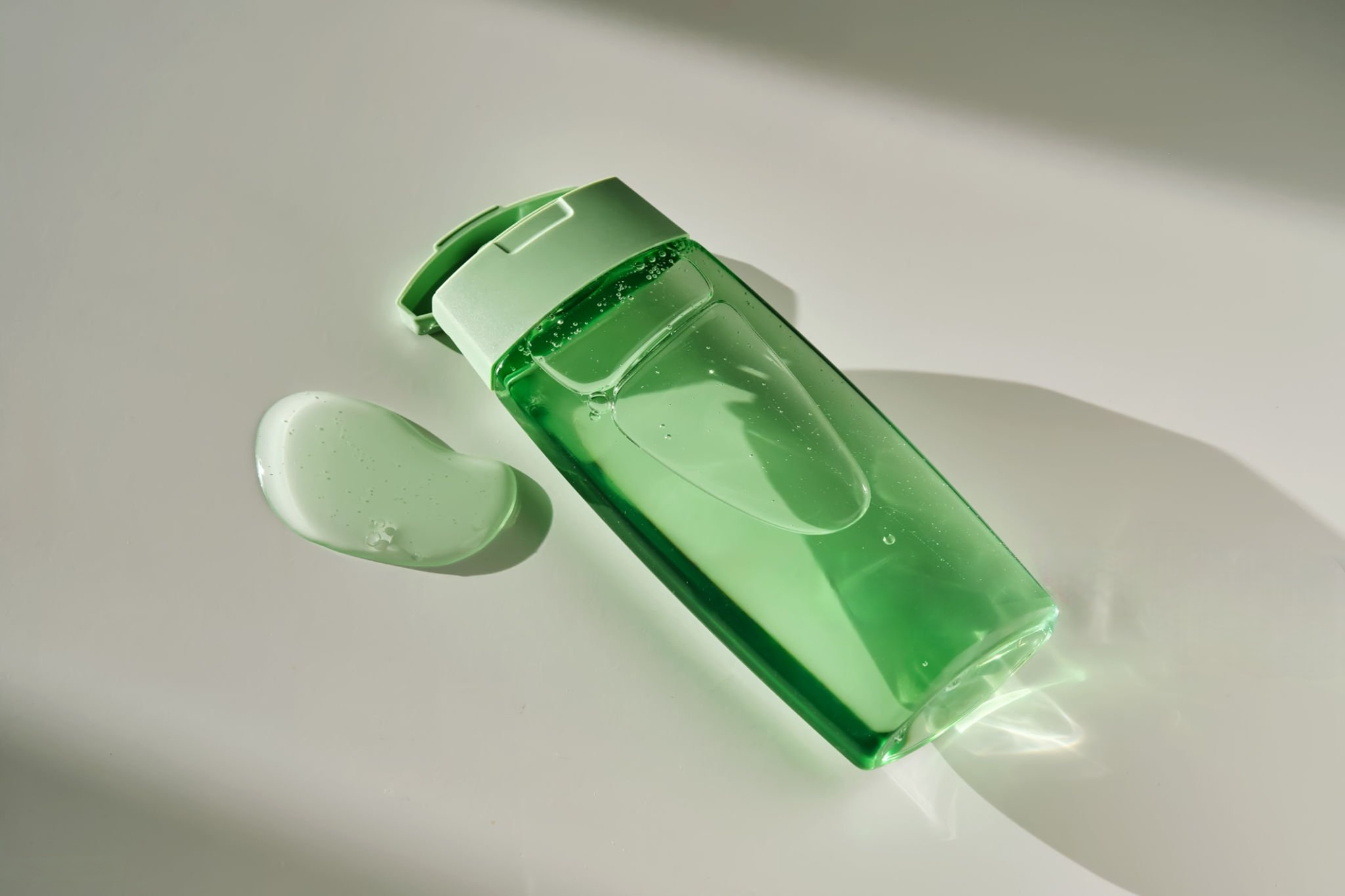
Suspend fine matcha in a surfactant system using a suspending agent (e.g., Carbomer). Creates pale green lather with light tea aroma.
Matcha Body Lotions
Add 0.2–1% organic matcha green tea powder to an oil-in-water emulsion. Position as “after-sun soothing” or “anti-pollution” lotion.
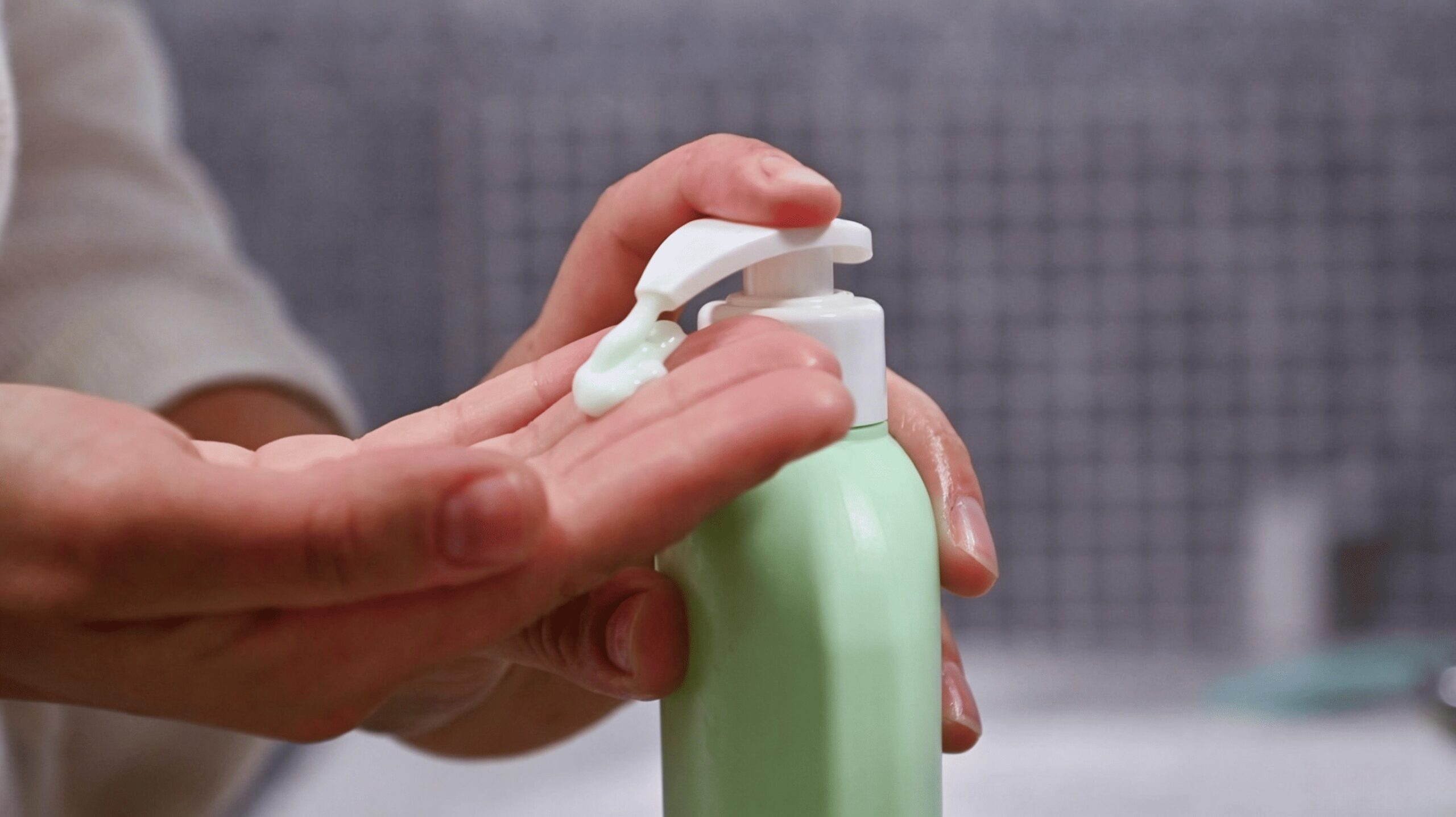
Matcha Bath Powders
Carbonated bath salts + matcha powder. Ideal for spa brands and holiday gift sets.
Color Cosmetics: The Green Trend
Ceremonial grade vs culinary grade matcha powder – for color cosmetics, ultra-fine culinary grade (1500 mesh) works best to avoid grittiness.
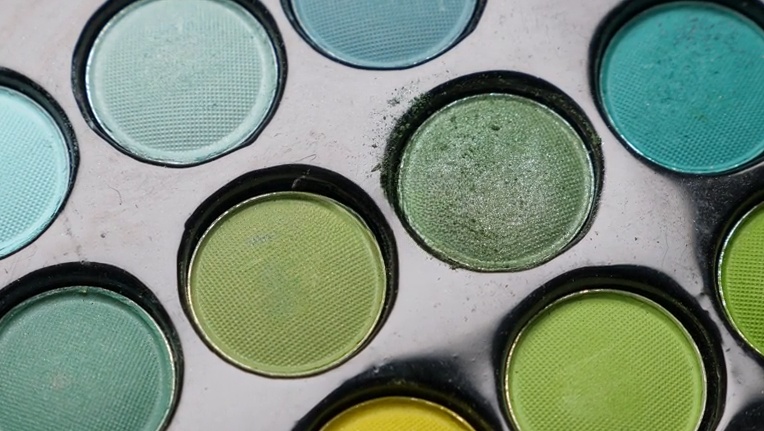
Matcha Eyeshadow: Matte or shimmer, pairs with browns/golds.
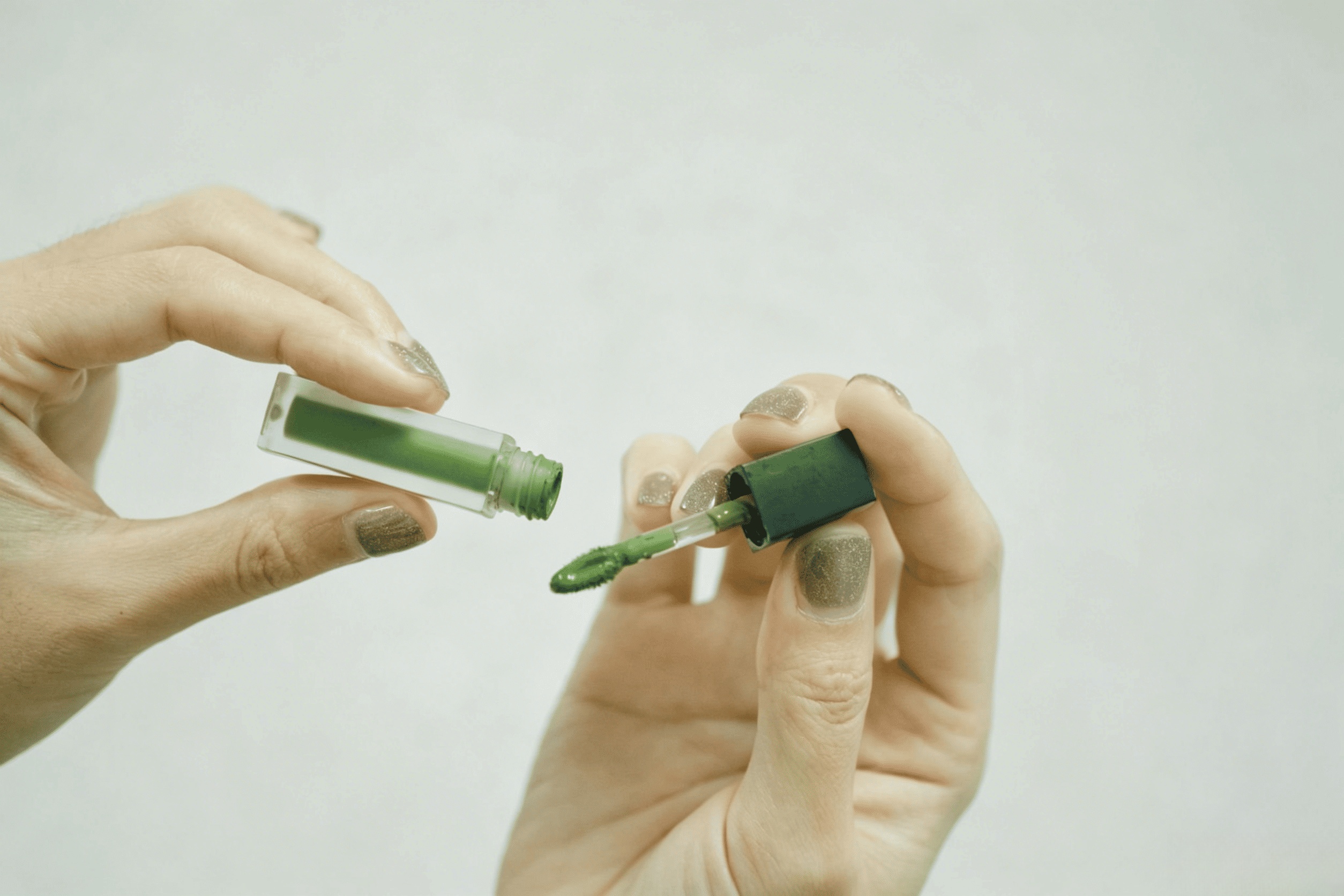
Matcha Lip Mud / Tint: Low-value green, non-staining.
Matcha Tone-Up Cream (Primer): Green neutralizes facial redness.
Matcha Scent: Use matcha extract or green tea fragrance oil – never pure powder alone.
Commercial opportunity: Indie makeup brands can use pure matcha powder as a signature natural ingredient.
Soap: Cold Process vs. Melt & Pour
Cooking with culinary grade matcha powder extends to cold process soap. Mix 1–3% at trace. Use a color stabilizer (rosemary oleoresin) to prevent browning. For melt & pour, add 0.5–1.5% for swirling effects.
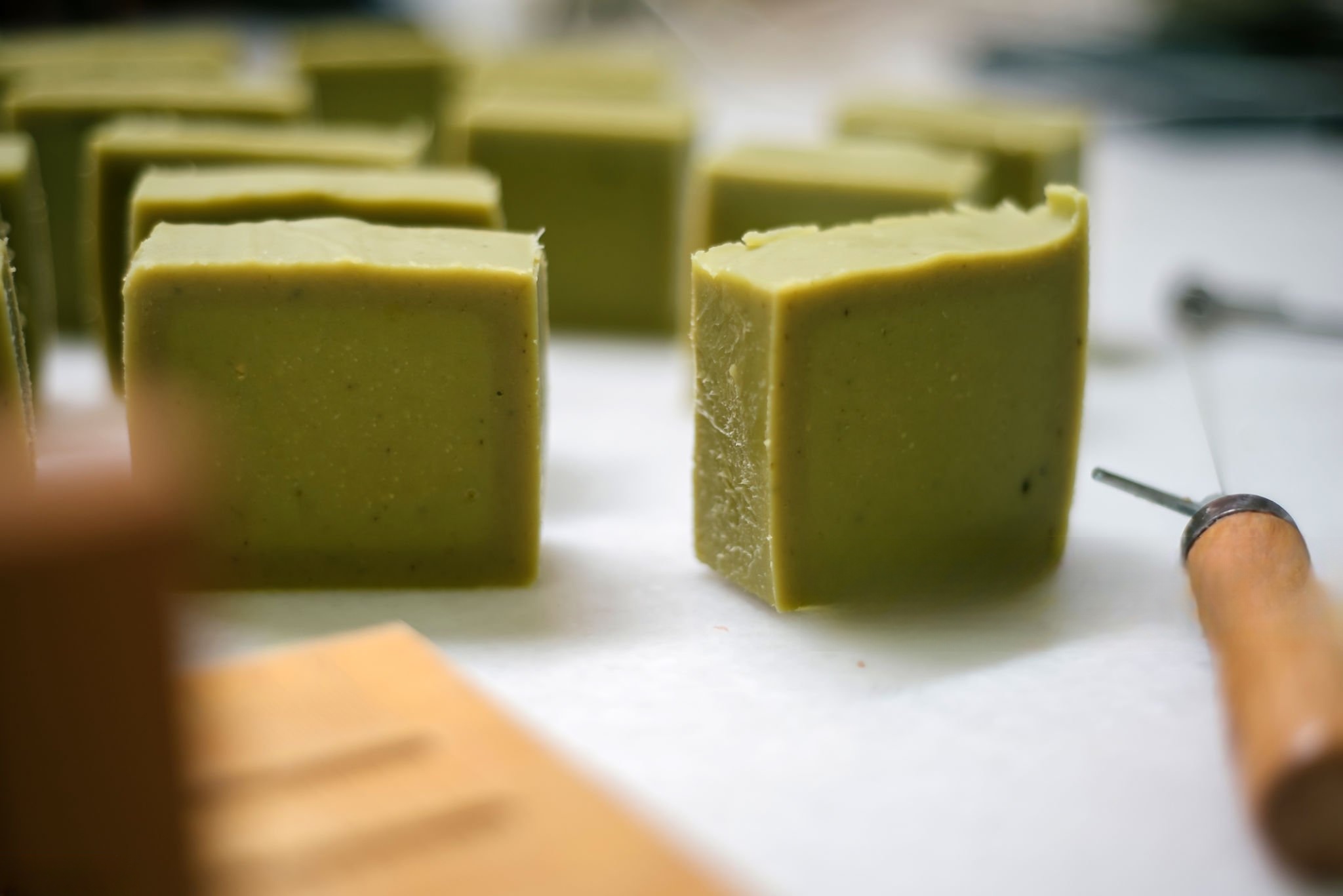
Why formulators choose matcha green tea for soap: naturally exfoliating, antioxidant-rich, and free from synthetic dyes.
Commercial Grade Selection & Stability Tips
How to identify high quality matcha powder for personal care
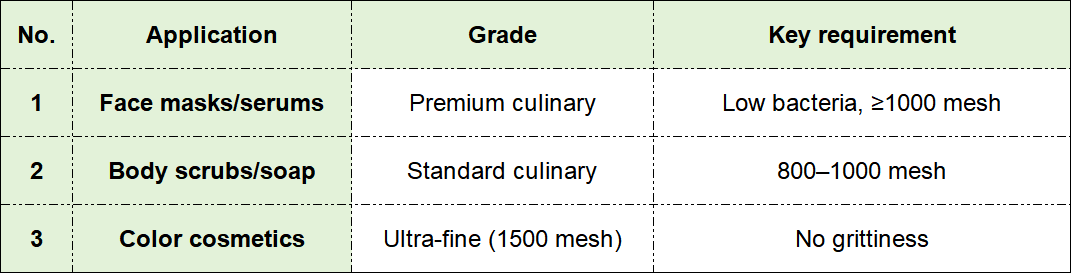
Stability Solutions
Oxidation: Add antioxidants (vitamin E), use opaque packaging, keep pH ≤6.0.
Microbial contamination: Use broad-spectrum preservatives.
Sedimentation: Use suspending agents (xanthan gum) and instruct “shake well”.
Clean beauty advantage: Matcha replaces synthetic green dyes. Its antioxidants in pure matcha green tea are clinically studied for anti-acne and anti-aging benefits – answering the question “is matcha powder good for skin health” with a clear yes.
Storage & Freshness
How to store matcha powder for freshness? Keep in an airtight container away from light, heat, and moisture. Refrigeration extends shelf life.
Does matcha powder expire? Yes – typically 6–12 months after opening. Always check for color change (bright green to dull brown) and off odors.
Conclusion
Matcha powder is a multifunctional, clean beauty ingredient with proven skin benefits and strong visual storytelling. Whether you are formulating a purifying face mask, an exfoliating scrub, or natural soap, properly stabilized cosmetic-grade matcha delivers performance and marketing impact.
As a professional matcha powder manufacturer, we supply high-quality, organic matcha green tea powder tailored to the personal care industry. We offer:
Fine mesh sizes (≥1000–1500 mesh)
Low microbial count – certified for cosmetic safety
Color stability data and formulation guidance
Bulk matcha powder for brands and contract manufacturers
Custom packaging and private label options
Ready to bring premium matcha tea into your personal care line? Contact us to request samples, request a COA, or receive a wholesale matcha powder quote.
#matcha powder #is matcha powder good for skin health #antioxidants in pure matcha green tea #pure matcha powder #ceremonial grade vs culinary grade matcha powder #organic matcha green tea powder
Leave a Reply