
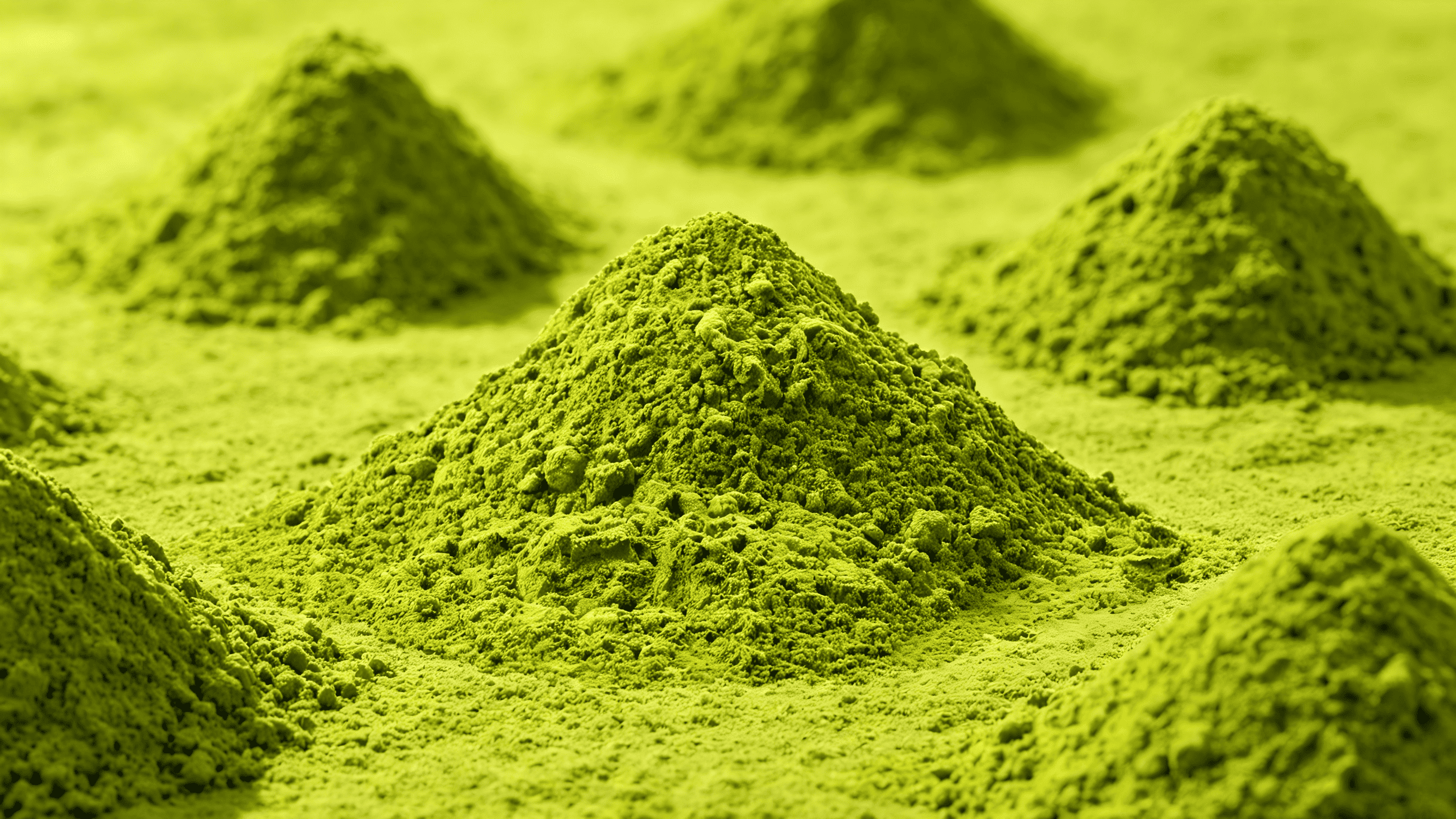
Most buyers evaluate matcha powder by grade, color, origin, and price. Few ask about particle size. But in B2B sourcing, particle size is one of the most overlooked variables. It is also one of the most decisive for product success. It determines whether your product feels premium or cheap in real use.
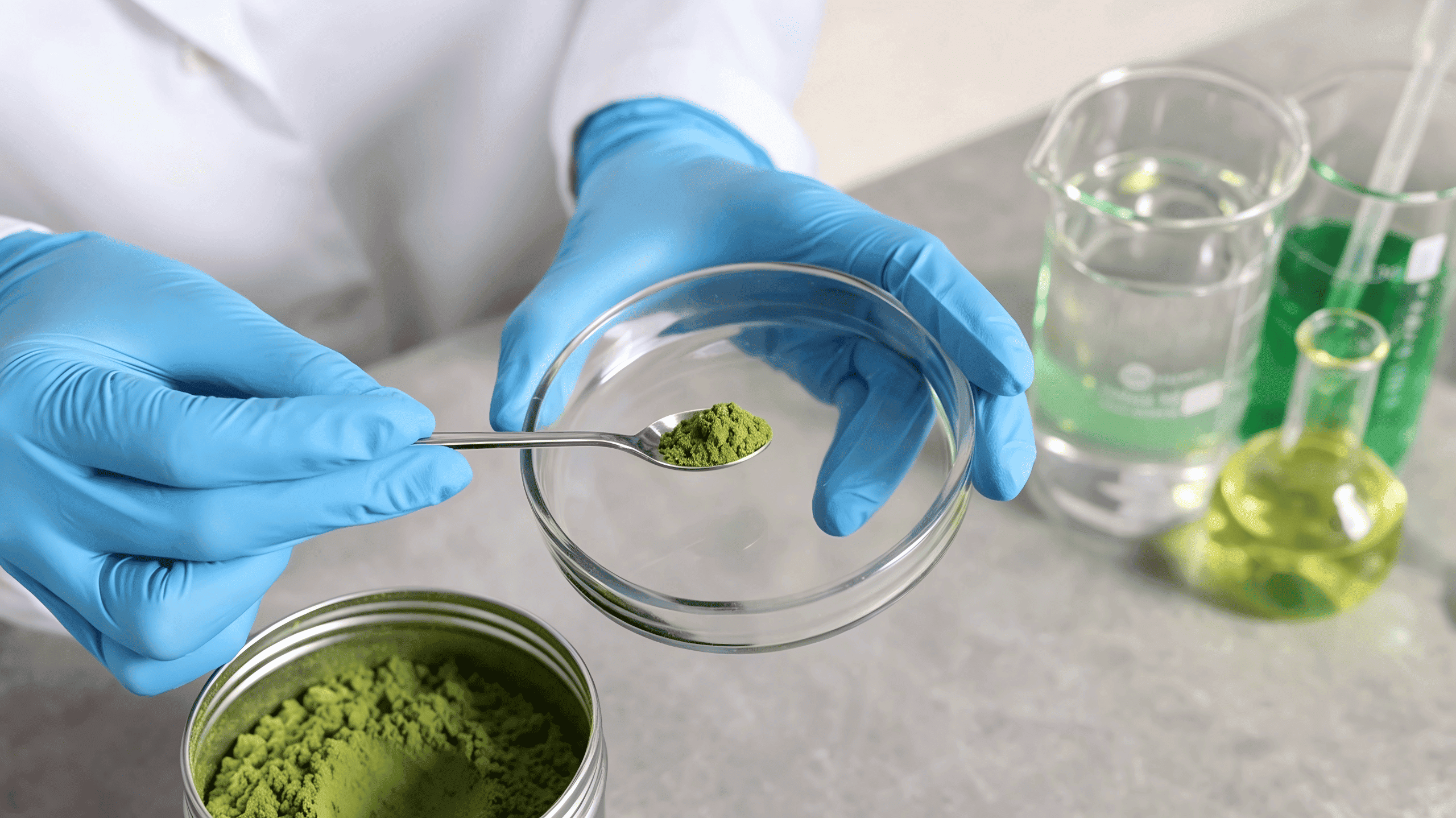
We are a matcha manufacturing factory serving B2B clients worldwide. Brand owners and procurement managers ask us the same question every day: “Will your matcha powder perform consistently on our production line?” The answer lies in the physical properties we will discuss here. The following insights come from our factory’s quality control data and client application feedback.
Particle Size
Particle size is the most fundamental physical parameter of matcha powder. Standard matcha powder has a wide size range, from 1μm to 100μm. Fine matcha powder has a narrow range, from 1μm to 20μm. Research shows that fine matcha averages 3.2μm. Standard matcha averages 11.5μm.
Particle size affects industrial applications in three ways
Mouthfeel – Finer powder delivers a smoother drinking experience. Coarser powder leaves a sandy or gritty sensation. This is especially noticeable in water, milk, and instant latte formats. Consumers do not say, “This product has poor particle size distribution.” They just say, “It feels gritty” or “It feels cheap.”
Sedimentation – Matcha powder is ground leaf. It does not dissolve like sugar. But too much sediment ruins the user experience. Fine matcha powder has a much lower sedimentation rate than standard matcha. Sediment in clear bottled drinks makes the product look unstable. In lattes, residue at the bottom leaves a poor impression.
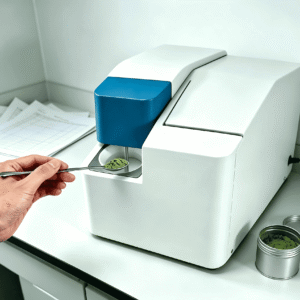
Dispersibility – Ultra-fine powder disperses instantly without clumping. It works well for large-scale industrial mixing. However, finer is not always better. Very fine powder creates more dust. It also flows less consistently and sticks to equipment.
How we deliver – For ceremonial grade matcha, we control grinding to achieve a D90 of 15–20μm. This ensures an exceptionally smooth mouthfeel for direct drinking. For culinary and industrial grades, we target a D90 of 20–25μm. This balances mouthfeel with production handling. Every batch is tested with a laser particle size analyzer. The data comes with every shipment.
Moisture Content
Moisture directly affects shelf life and processing performance. This is why buyers often ask, “Does matcha powder expire or go bad?” Industry standards typically require moisture below 5% to 7%. Our quality system maintains moisture at ≤6.0%.
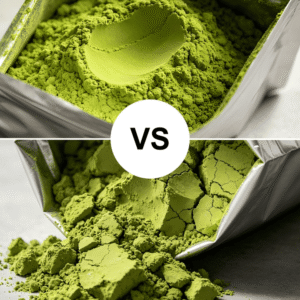
Too low → static electricity increases, affecting filling accuracy.
Too high → powder cakes, microbes grow, and flavor degrades faster.
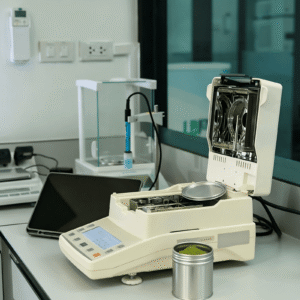
How we deliver – We use a stepwise drying process. Temperature gradually drops from 85℃ to 65℃. As a result, every batch of matcha powder meets stable moisture targets. For clients with specific requirements, we offer customized solutions. Batch moisture data is recorded and available for client review on request.
Bulk Density
Bulk density directly affects filling accuracy and dosing consistency on automated lines. Matcha powder bulk density typically ranges from 0.3 to 0.5 g/mL.
Industrial implications of bulk density
Capsule filling – Bulk density determines fill weight consistency. Fluctuations cause weight variation.
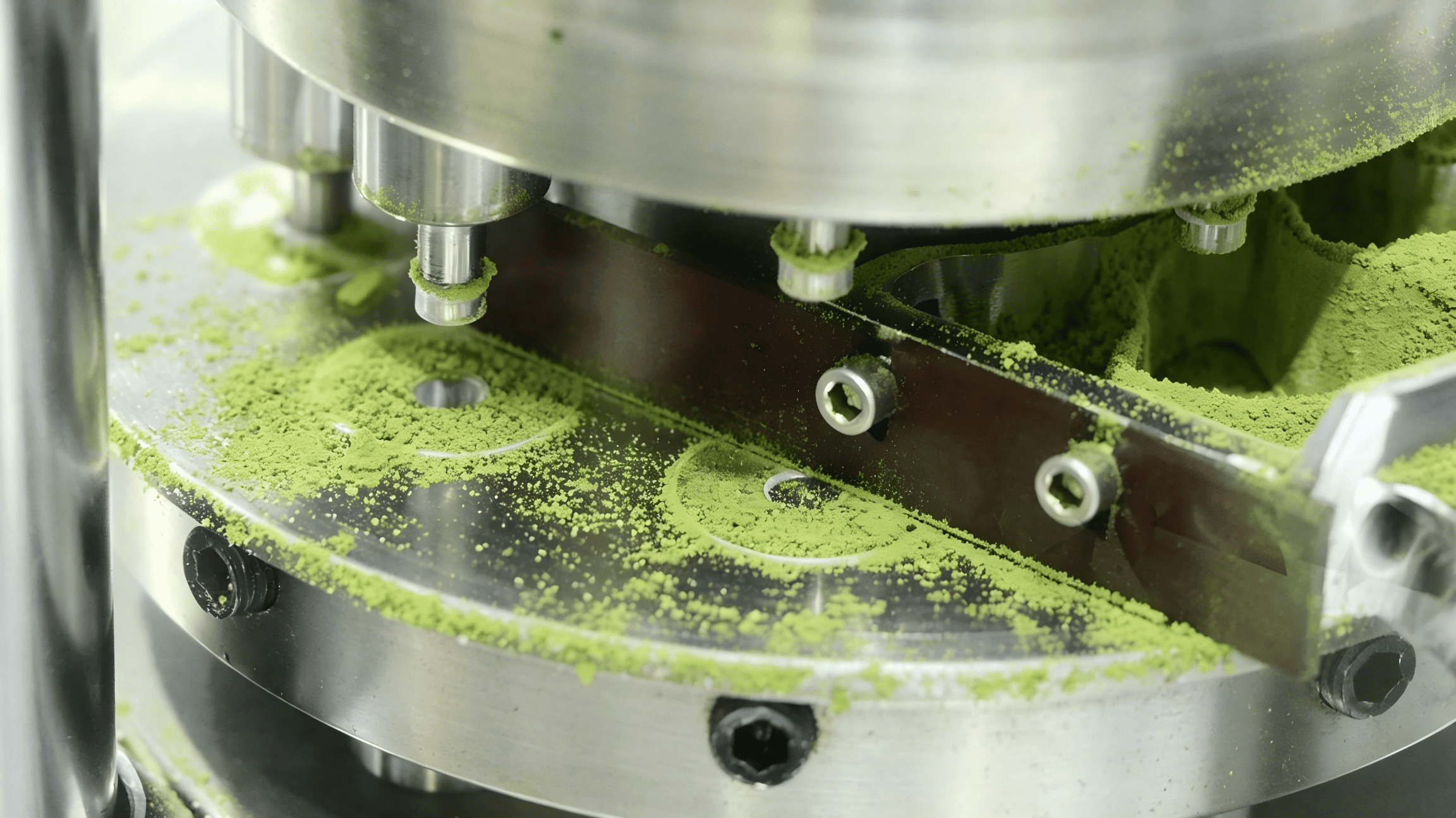
Stick pack / sachet filling – Powder must flow well for accurate filling.
Automated batching – In large-scale systems, bulk density affects metering.
How we deliver – Different filling equipment has different bulk density needs. For high-volume automated filling of our industrial grade matcha, we adjust grinding and screening to match your equipment. The coefficient of variation for bulk density stays below 3% across batches. Therefore, you get consistent performance on your filling line every time.
Hygroscopicity
Matcha powder is hygroscopic. It actively absorbs moisture from its surroundings. Even small amounts of humidity cause clumping. Therefore, “how to store matcha powder for freshness” is a critical question for every buyer.
Research shows that matcha stored in high humidity changes its moisture sorption behavior. However, when water activity stays at ≤0.53 and storage is light-shielded, bioactive compound retention improves significantly.
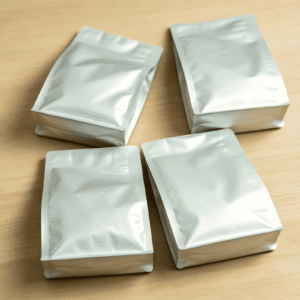
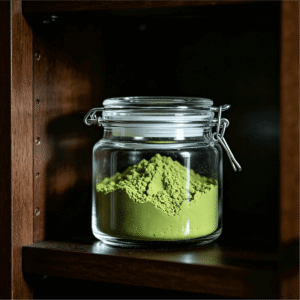
How we deliver – We use high-barrier aluminum foil bags with nitrogen flushing. This effectively blocks oxygen and moisture. Bulk packaging (1kg, 5kg, 10kg) uses food-grade high-barrier inner liners. Meanwhile, we provide clear storage recommendations: protect from light, seal well, keep cool, and portion into small containers. This helps clients maintain freshness after delivery.
Heat Stability
Baking and high-temperature processing require specific heat stability from matcha powder. Culinary matcha is typically optimized to retain its deep green color at elevated oven temperatures. This is one key aspect of “how to identify high quality matcha powder.”
Two key points on heat stability
Baking temperature – Standard matcha may lose flavor and fade above 85°C.
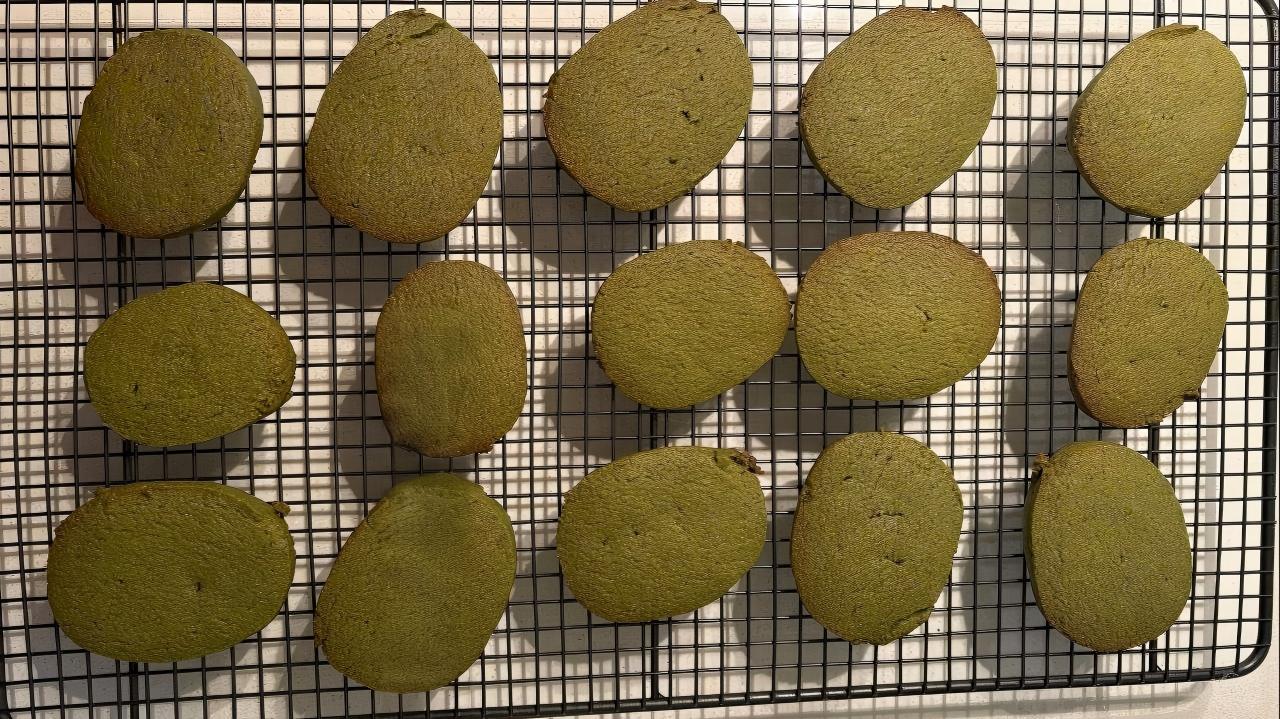
Ceremonial vs culinary – Ceremonial is designed for pure drinking. It prioritizes umami and smoothness. Culinary grade offers bolder flavor and stronger heat stability. Therefore, it is the preferred choice for baking.
How we deliver – We offer culinary matcha specifically optimized for baking. It maintains vibrant green color and stable flavor after high-temperature processing. For clients in product development, we provide multiple grade samples. These include ceremonial, culinary, and organic. Clients can compare them side by side and find the best match for their formulation. This is the core difference between ceremonial grade and culinary grade matcha powder.
Procurement Spec Sheet
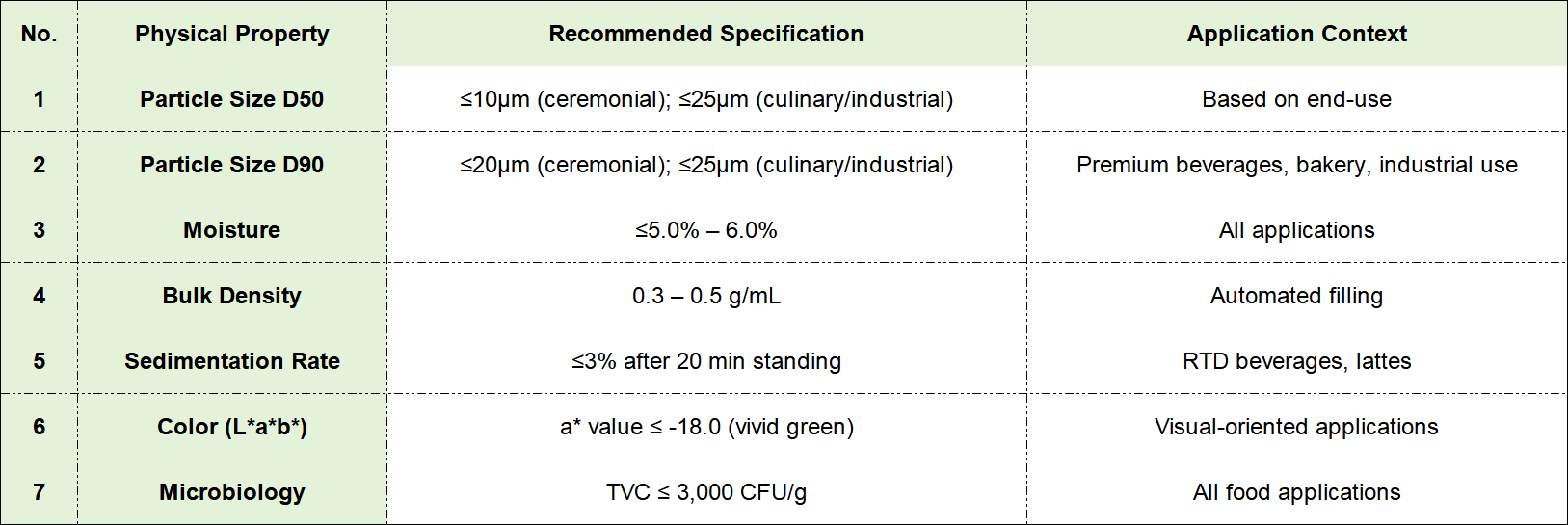
Based on the analysis above, we recommend including the following physical properties in your technical specifications when contracting with matcha powder suppliers
Conclusion
B2B procurement decisions should not stop at “grade” and “price.” Particle size, moisture, bulk density, hygroscopicity, and heat stability – these physical properties together determine whether your matcha powder runs smoothly on your production line. They also decide whether your finished product delivers the quality you expect.
As a matcha manufacturing factory with a complete production chain, we offer more than consistent quality. We provide full technical support from sampling to formulation optimization. Whether you need ceremonial grade, culinary grade, organic grade, or industrial grade matcha powder, we will match you with the right solution. We also provide complete physical property data to support your decision.
For wholesale or bulk matcha powder orders, contact us to request a sample. Let our matcha powder prove itself on your production line – with data you can trust.
#matcha physical properties #matcha particle size #matcha bulk density #matcha moisture content #matcha heat stability #matcha powder
Leave a Reply