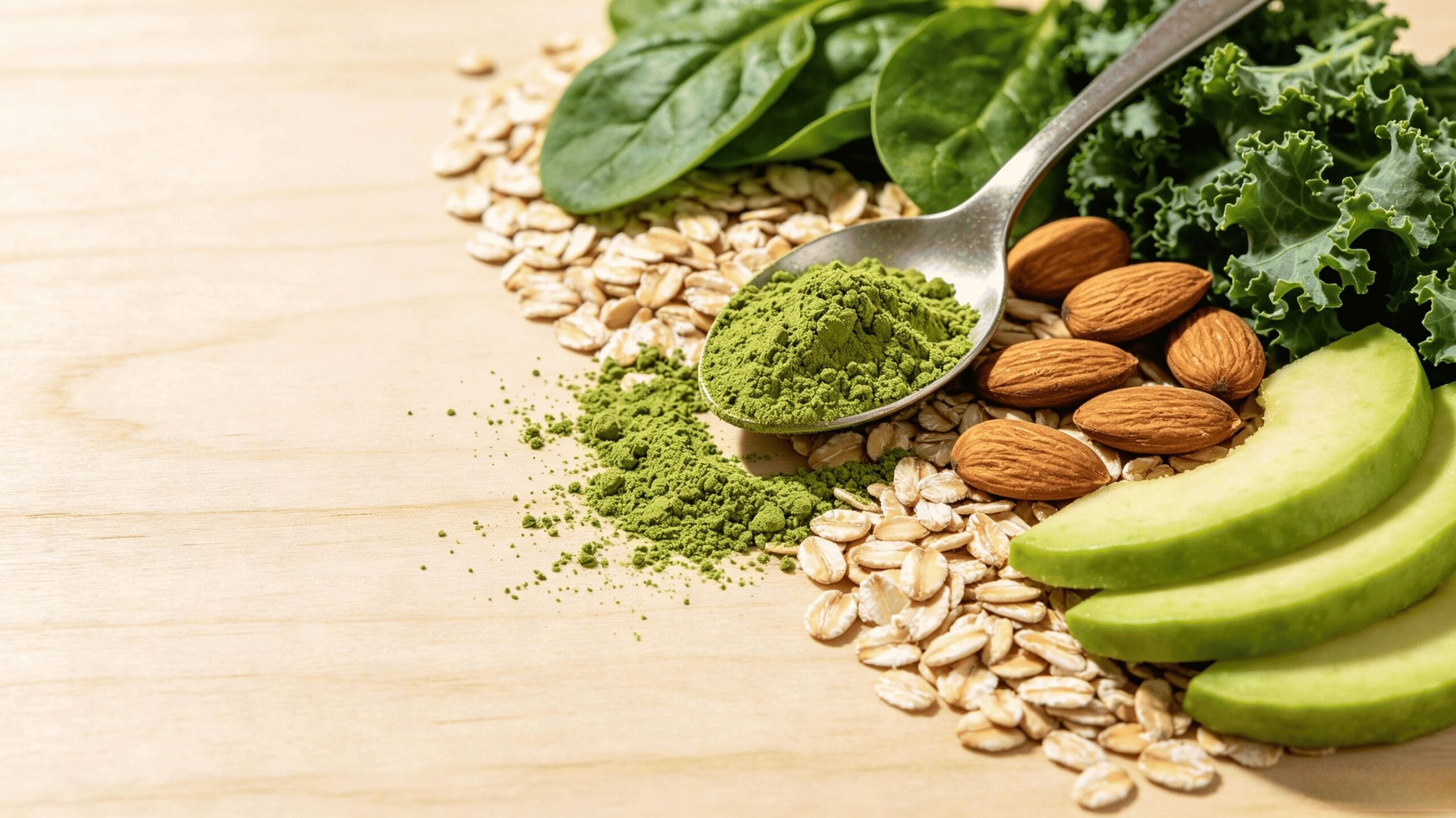
The global matcha powder market was valued at approximately $4.3 billion in 2023. It is projected to reach $7.43 billion by 2030. Asia-Pacific commands over 50% of the global market share. Meanwhile, the UK and the rest of Europe are experiencing rapid growth. GlobalData’s survey shows that 64% of UK consumers believe matcha offers positive health benefits. This signals that matcha has transitioned from a niche ingredient to a mainstream functional food platform.
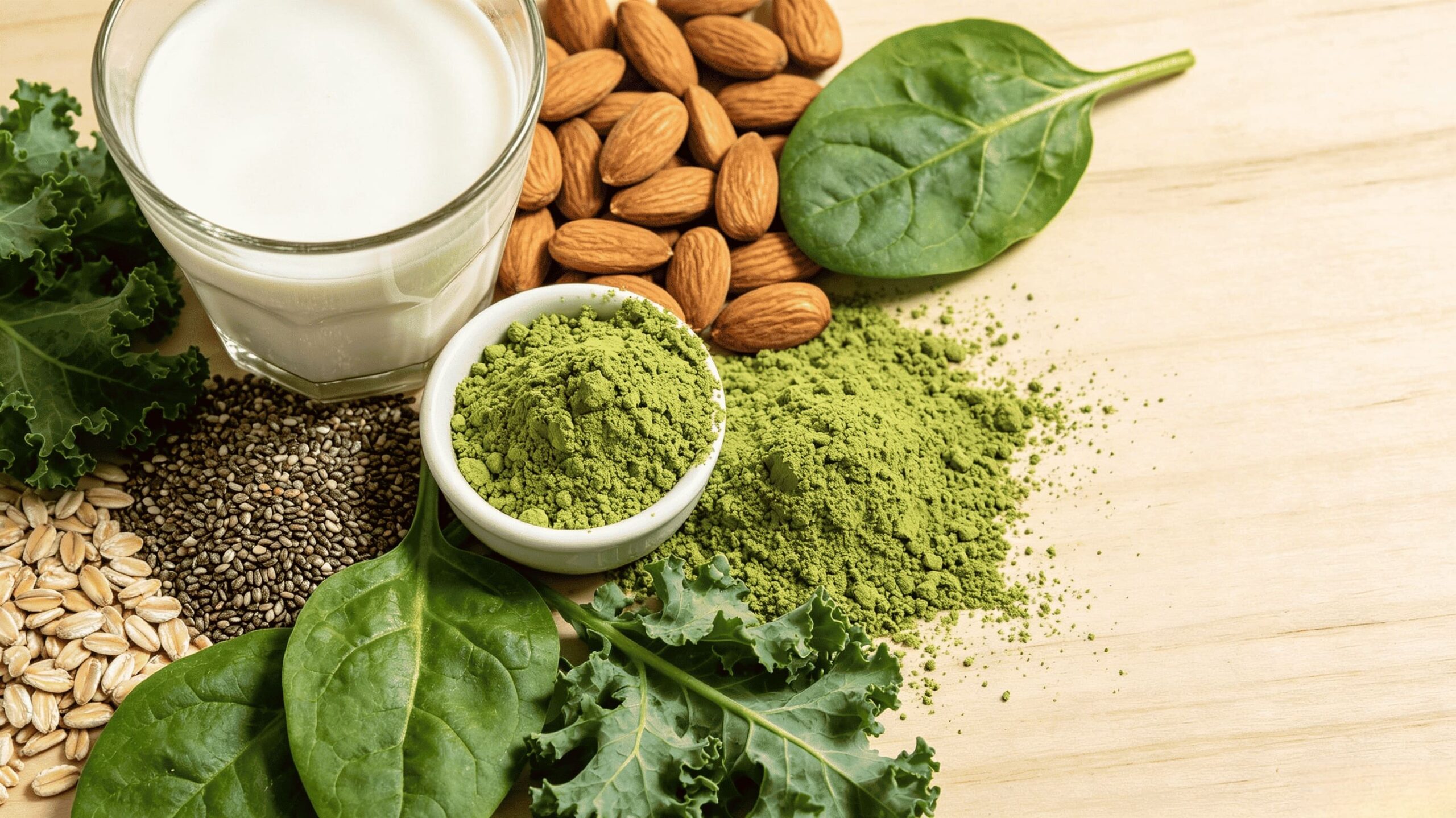
Against this backdrop, food brands are increasingly incorporating matcha into yogurt, plant-based beverages, and superfood blends. As a matcha powder manufacturer, we offer four product grades. These include Ceremonial, Culinary, Organic, and Industrial grades. Each grade is precisely matched to specific applications. This article explores three emerging directions. It also explains how our product grades align with each application’s requirements.
Matcha in Fermented Foods: Yogurt & Kombucha
Fermented foods rank among the fastest-growing categories in functional foods. Matcha is rich in catechins, chlorophyll, amino acids, and natural antioxidants. These components make it a promising ingredient for functional fermented product development.
Recent research on matcha yogurt shows that matcha dosage significantly affects multiple parameters. These include fermentation, titratable acidity, pH, gel water-holding capacity, consistency, and sensory characteristics. An optimal amount of matcha improves texture, increases viscosity, and enhances gel stability. It does not cause graininess or excessive bitterness. In addition, matcha significantly elevates total polyphenol activity and antioxidant capacity in yogurt.
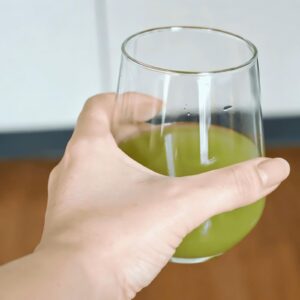
In the kombucha space, matcha also shows innovation potential. Matcha polyphenols may generate synergistic effects with probiotic strains in the fermentation system. This synergy creates functional benefits in antioxidant activity and gut health.
Our Solution for Fermented Foods
For fermented applications such as yogurt and kombucha, we recommend Culinary Grade matcha powder. Its D90 is controlled between 15–25μm. This fineness ensures good dispersion in dairy or liquid bases. At the same time, it does not interfere with fermentation strain activity. Total viable count is consistently < 1,000 CFU/g. This is well below the GB standard of 10,000 CFU/g. Therefore, no competing microflora are introduced to the fermentation system.
For large-scale production with less stringent color requirements, Industrial Grade offers a cost-optimized alternative. We also provide dosage recommendations based on client formulations. This helps R&D teams quickly find the balance between functional enhancement and fermentation stability.
Matcha × Superfood Blends: Moringa, Turmeric & Adaptogens
The functional food market is shifting from “single ingredient” to “synergistic blends.” Matcha as a base ingredient, combined with other superfoods, is becoming a core brand differentiation strategy.
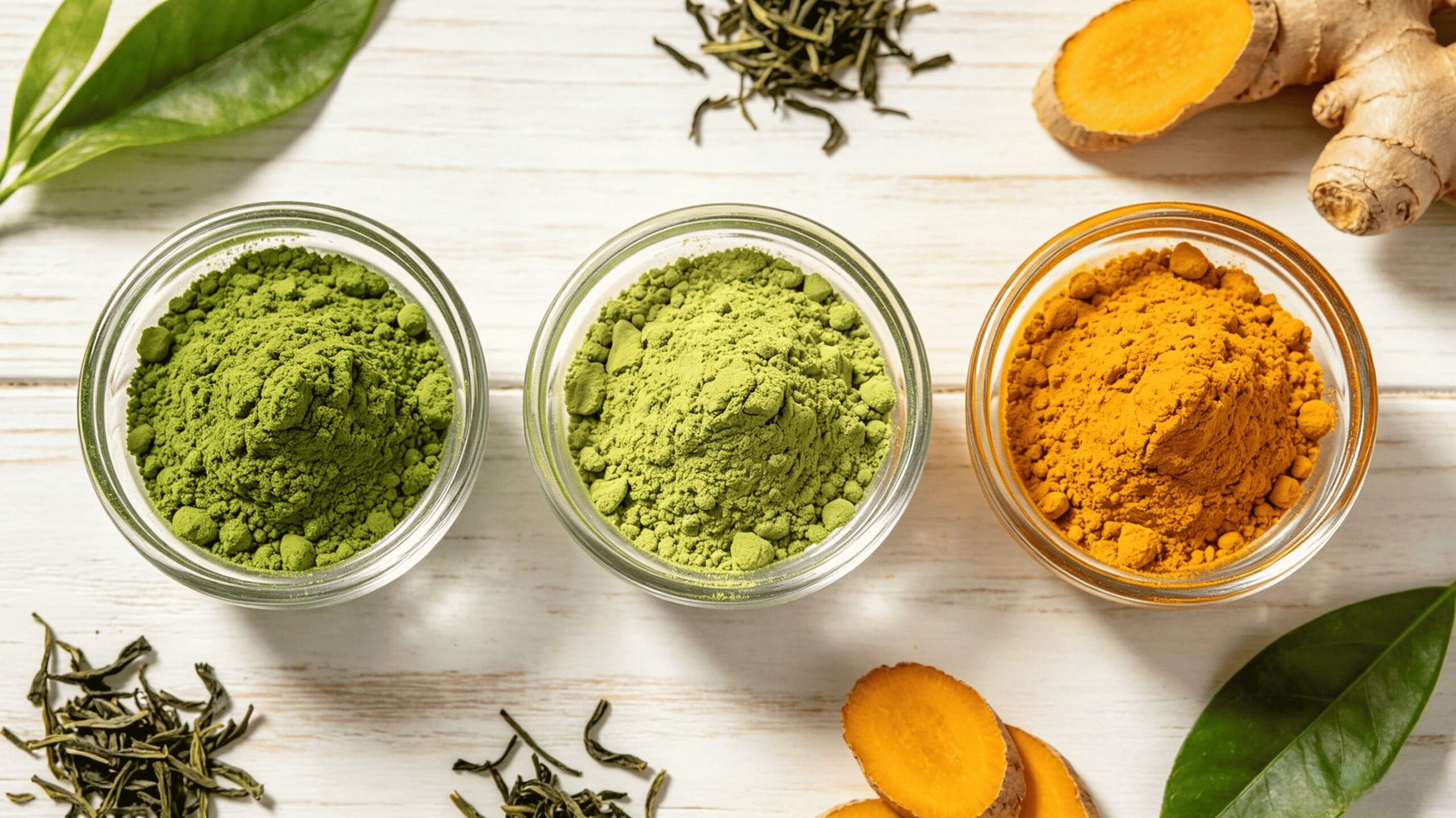
Matcha + Moringa is one of the most prominent combinations. Instant latte blends now combine organic matcha with moringa, flaxseed, turmeric, and black pepper. These products are positioned for anti-inflammatory, tissue repair, circulation, and recovery benefits.
Matcha + Adaptogens represents another rapidly growing segment. Matcha with Ashwagandha has formed a product matrix. These formulations combine matcha’s antioxidant and energizing properties with Ashwagandha’s stress-reducing and cognitive support functions. Matcha combined with functional mushrooms like Lion’s Mane and Tremella has also appeared in the UK market.

Our Solution for Superfood Blends
Superfood blends demand exceptional purity and certification. For this reason, we recommend Organic Grade matcha powder. This grade is shade-grown, steam-fixed, and stone-ground. It holds USDA, EU, and JAS organic certifications. This ensures clean-label compatibility with other superfood ingredients.
Tea polyphenol content is ≥ 18%. Consequently, when blended with moringa, turmeric, or other ingredients, it provides sufficient functional compound content. It serves not merely as a colorant but as a meaningful functional contributor.
For premium-positioned blends, Ceremonial Grade matcha is the better choice. It delivers outstanding umami and color performance. This serves as a core anchor for brand premiumization. We also offer flexible OEM pre-blending support. We can pre-mix matcha with moringa, turmeric, or other ingredients at client-specified ratios.
Matcha in Plant-Based Products
Plant-based foods represent one of the biggest trends in the food industry. The combination of matcha and plant-based platforms is creating new growth opportunities.
In the plant-based beverage sector, researchers have successfully developed matcha cereal milk. This product combines matcha with oats, lotus seeds, mung beans, brown rice, and white beans. These grains are rich in protein and fiber, creating a nutritious plant-based drink.
In RTD matcha lattes, heat stability during UHT processing is a core formulation challenge. The grassy flavor compounds in matcha become flat and indistinct under high heat. Meanwhile, polyphenols and amino acids react with heat and dairy components. This produces a “cooked” flavor. Therefore, formulators need matcha raw materials with excellent dispersibility and heat stability.


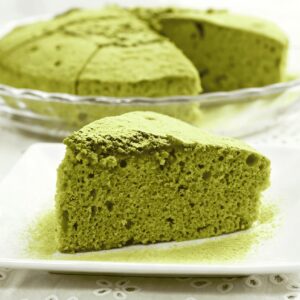
In vegan baking, matcha’s natural green color and distinctive flavor are also valuable. It is an ideal ingredient for plant-based pastries, biscuits, and energy bars. In the foodservice channel, matcha bakery products account for 70.9% of all matcha bakery offerings.
Our Solution for Plant-Based Products
For plant-based beverages, we recommend Culinary Grade matcha powder. Its sedimentation rate is ≤ 3% (after 20 minutes standing) in plant protein bases such as oat milk, almond milk, or soy milk. This ensures clean beverages with minimal bottom residue.
For RTD and UHT applications, Industrial Grade offers excellent cost-performance. It maintains particle size uniformity with a coefficient of variation below 3%. This means color fade curves after high-temperature processing are predictable and replicable batch to batch. Consequently, clients can reduce reformulation frequency.
For vegan baking, Culinary Grade delivers stable color value a* at -18.0 to -19.0. This ensures consistent matcha green color in finished baked goods. There is no need for batch-to-batch adjustment of usage levels.
In accelerated oxidation testing (40℃/75% RH, 6 months), our matcha powder shows a color fade slope approximately 20% lower than typical commercial samples. This means plant-based products using our matcha retain vibrant green color significantly longer throughout shelf life.
Your Functional Food Innovation Starts Here
The three emerging directions in functional foods – fermented foods, superfood blends, and plant-based products – offer clear innovation pathways for matcha buyers. Behind every pathway stands a matcha powder precisely matched to your product positioning.
We provide end-to-end support from grade selection to formulation assistance:
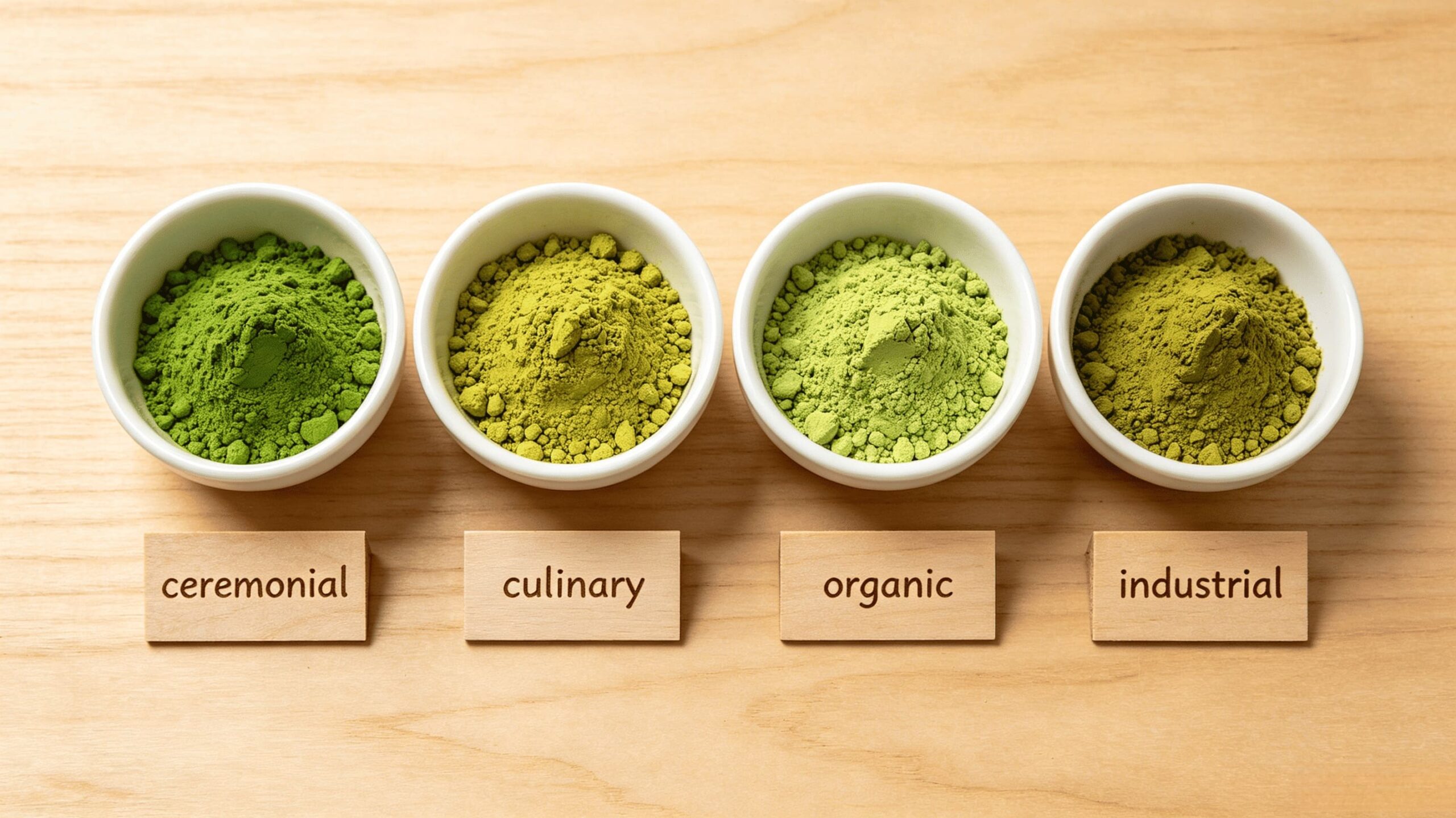
Four-grade product system: Ceremonial, Culinary, Organic, and Industrial – covering every scenario from premium positioning to high-volume production
Certification support: USDA Organic, EU Organic, JAS, Kosher, and Halal – meeting regulatory requirements across global markets
Technical collaboration: stability data packages and accelerated oxidation test reports to accelerate your time-to-market
Supply reliability: annual production capacity of 2,000 metric tons, with 12 stone mills operating in parallel – ensuring batch-to-batch consistency
If you are planning new product lines such as matcha yogurt, matcha-moringa blends, or matcha plant-based beverages, we invite you to request samples. We will recommend the optimal matcha grade based on your product positioning and budget – ensuring every functional food finds its perfect matcha match.
#matcha powder #organic matcha green tea powder #ceremonial grade matcha #culinary matcha #matcha functional foods #bulk matcha powder #pure matcha powder #superfood blends
Leave a Reply