
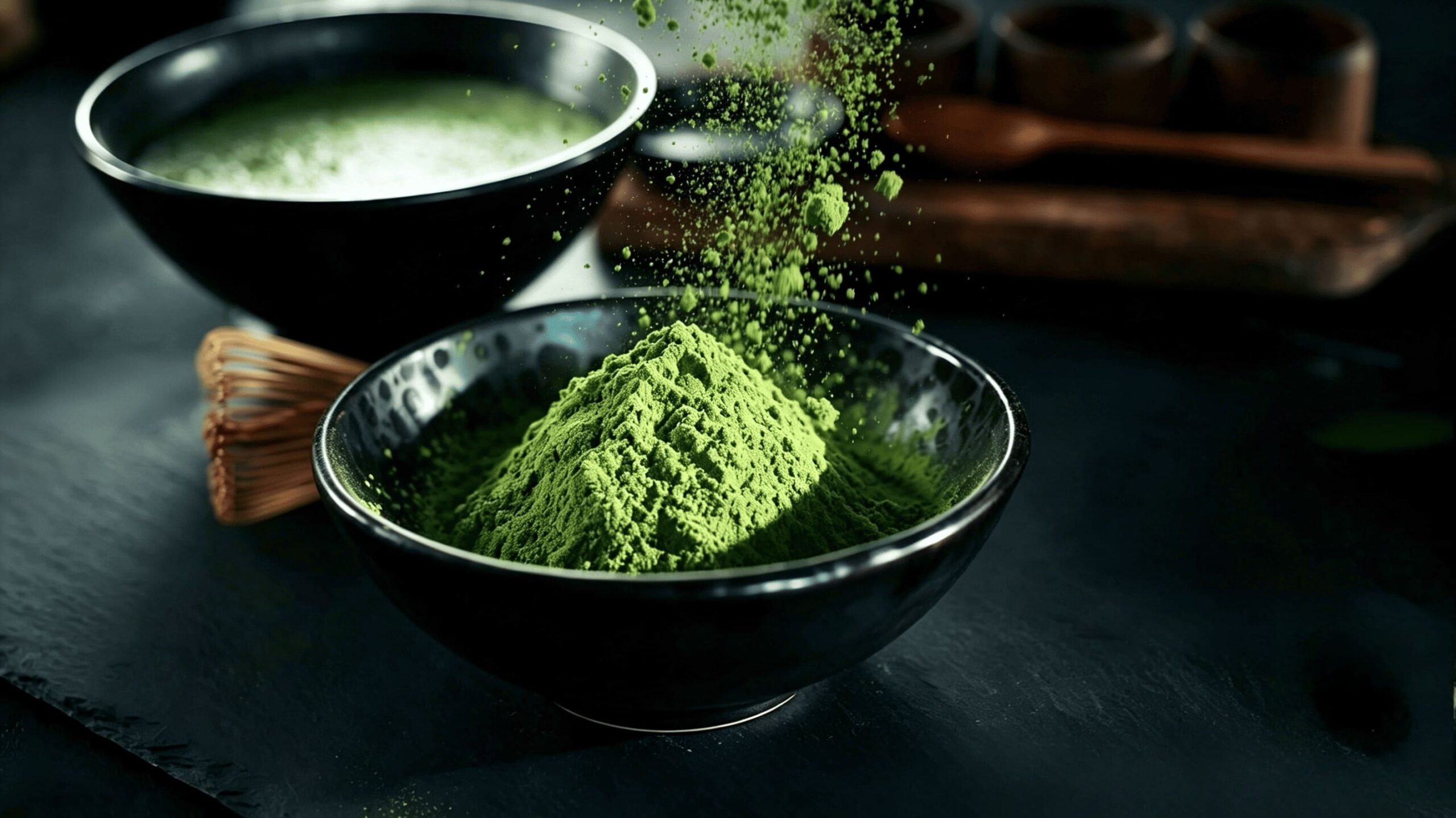
The quality and supply stability of matcha powder depend directly on raw material selection and processing technology. The matcha powder market continues to grow. The entire industry urgently needs more stable and sustainable raw material sources.
For decades, Chinese tea regions have focused mainly on spring tea for premium products. Summer and autumn tea, however, has suffered from low utilization rates. Its bitter taste and weak aroma have limited its use. Many tea farmers, after the spring harvest, either leave summer and autumn tea to wither on the branches. Others simply prune them away. This results in massive resource waste. It also limits the raw material sources available for matcha powder production.
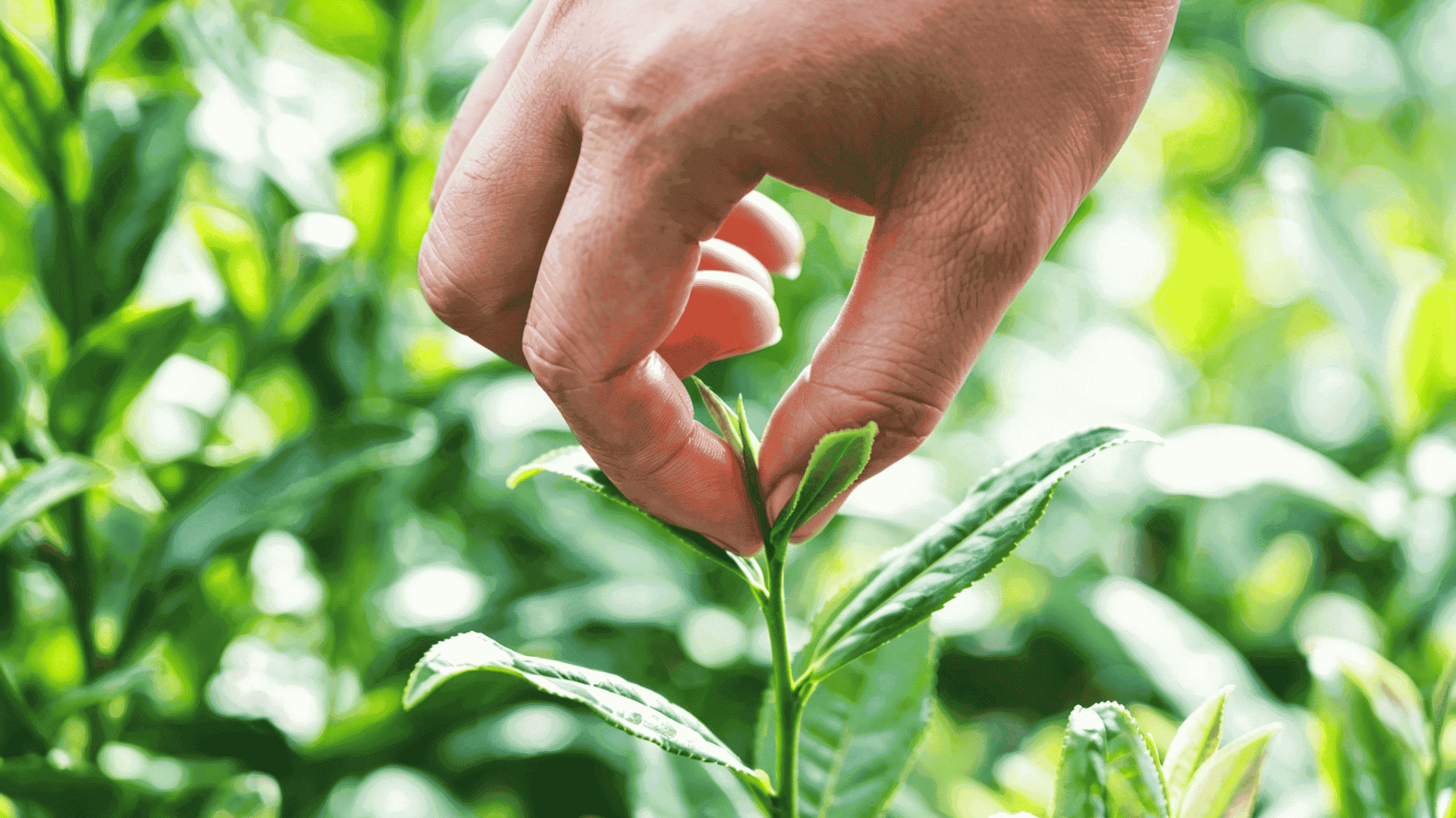
Low-temperature double-grinding technology is now changing this picture. Grinding summer and autumn tea into matcha powder enables deep processing into a wide range of products. This effectively enhances the utilization value of these teas. It also opens up entirely new raw material channels for matcha powder production. This technology is unlocking the enormous potential of summer and autumn tea as a matcha powder raw material. It enables matcha powder to maintain consistent quality while ensuring year-round sustainable supply. This is exactly the kind of supply chain certainty every B2B buyer is looking for.
Why Summer-Autumn Tea Is Overlooked
The core challenge facing summer and autumn tea lies in its natural chemical composition.
Compared with spring tea, summer-autumn leaves contain significantly higher polyphenol content. They also contain lower amino acid content. As a result, the taste is bitter and astringent, with insufficient freshness. At the same time, chlorophyll degradation accelerates under high temperatures. This causes the leaves to appear duller in color. Aroma compound accumulation is also insufficient. These leaves cannot meet the traditional color and flavor standards of matcha. These factors have collectively contributed to the chronic undervaluation of summer and autumn tea in the market.
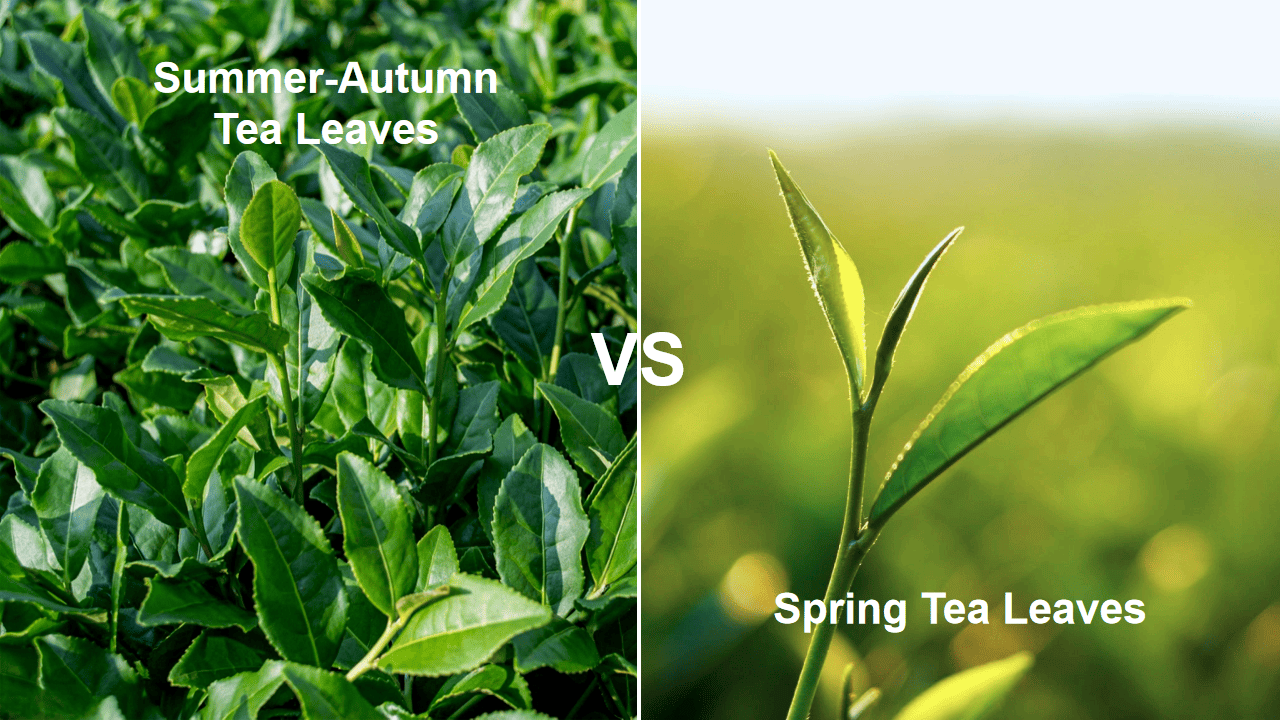
In many tea regions, after the spring harvest, summer and autumn tea is either abandoned or sold at extremely low prices. The annual capacity utilization of tea gardens remains severely underused. This is not just resource waste. It is lost efficiency across the entire tea value chain. Low-temperature grinding technology was developed precisely to solve this problem. It gives overlooked summer and autumn tea a new lease on life.
The Low-Temperature Grinding Process
The low-temperature matcha powder grinder uses a double-grinding structure. This design offers a technological pathway to solve the summer and autumn tea utilization problem. Its working principle can be broken down into four key stages:
Stage 1: Coarse crushing. The tea leaves are first coarsely crushed into small particles. This step breaks down the dried leaves into a uniform, fine state. It prepares the leaves for the subsequent fine-grinding stage.
Stage 2: Double-grinding fine pulverization. The coarse particles then enter the crushing bin. They are hammered into very fine powder through the double-crushing grinding structure. This structural design ensures that the particles undergo two consecutive grinding actions within the chamber. The result is a fineness far beyond that of traditional single-pass grinding.
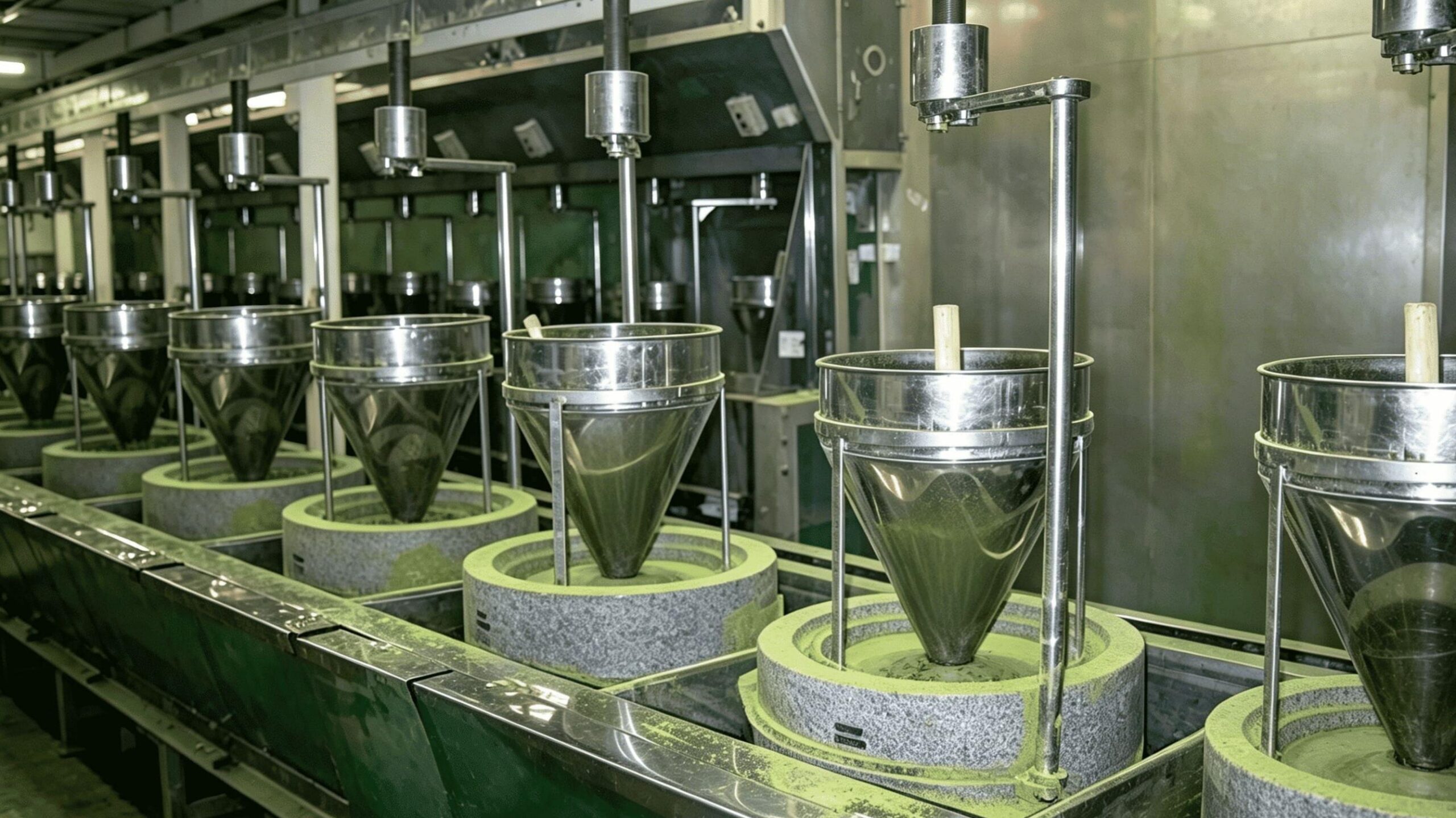
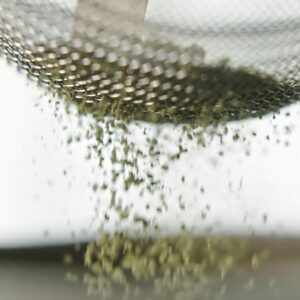
Stage 3: Sieving and collection. The powder passes through a mesh screen and is finally collected. Operators can control the particle size of the finished matcha powder. They do this by adjusting the aperture of the mesh screen.
Stage 4: Temperature control. This is the core of low-temperature grinding technology. Throughout the entire processing cycle, the system prevents color changes caused by excessive heat. Advanced systems can maintain temperatures stably below 30°C throughout the process. This low-temperature environment effectively prevents chlorophyll degradation and aroma loss. This technical safeguard enables summer and autumn tea leaves to be successfully transformed into high-quality matcha powder. It is one of the most compelling reasons for buyers to pay attention to this technology.
Quality Gains for Matcha Powder
Low-temperature grinding brings quality improvements to summer-autumn matcha powder across multiple dimensions. Each dimension directly impacts the product quality buyers ultimately receive.
Color. Low-temperature grinding prevents thermal damage from high-speed friction. It effectively protects chlorophyll and preserves the vivid green color of the matcha powder. Under traditional grinding methods, high temperatures cause chlorophyll degradation and color darkening. Color, however, is the most intuitive indicator of matcha powder quality and commercial value. Products processed with low-temperature grinding technology consistently achieve a* values between -18.0 and -19.0 in colorimetric testing. This means better visual performance for end products.
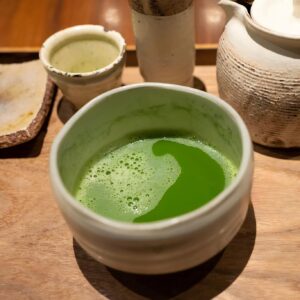
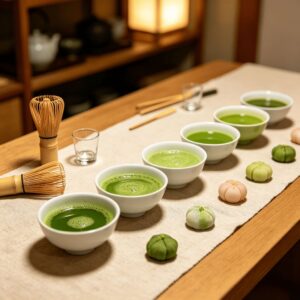
Flavor. The low-temperature environment preserves heat-sensitive flavor compounds and amino acids in the tea leaves. This reduces bitterness. Combined with process optimizations such as “umami enhancement and astringency reduction,” summer-autumn matcha powder can fully achieve market-acceptable flavor standards. Blind taste test data shows encouraging results. Low-temperature ground summer-autumn matcha has achieved umami scores approaching those of traditional spring-harvest matcha. For cost-sensitive buyers, this means lower raw material costs without sacrificing flavor.
Fineness. The double-grinding structure enables stable ultra-fine pulverization. Finished matcha powder fineness can reach 600 to 800 mesh or higher. For matcha powder, fineness directly affects dissolution speed and mouthfeel. It also affects application performance. Low-temperature grinding technology ensures that summer-autumn matcha powder performs on par with traditional spring-harvest matcha powder on these critical metrics. In some applications, it even outperforms it. This opens up more possibilities for product development.
From Waste to High-Value
The commercial value unlocked by low-temperature grinding technology has been validated across multiple production regions.
Dawu County in Hubei Province provides a compelling example. A local matcha production base, through technological upgrades, now produces two seasons of matcha in addition to one season of conventional tea each year. This means three-season operation with an 80% utilization rate for summer and autumn tea. Each season of matcha generates approximately 4,000 yuan in income per mu for tea farmers. This adds over 9,000 yuan per mu annually. In 2024, the base produced over 200 tons of matcha powder. Its annual output value exceeded 100 million yuan.
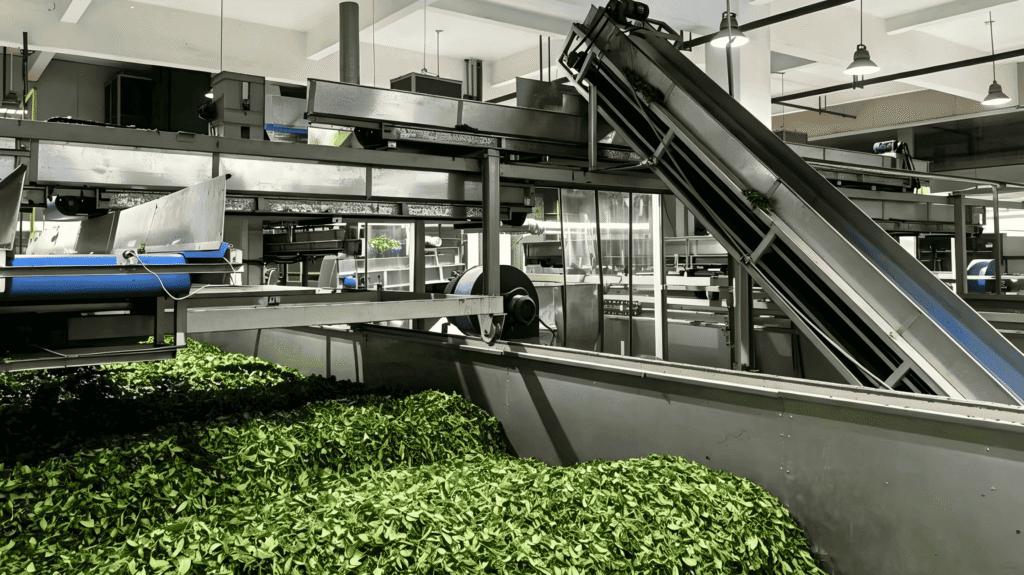
Shangnan in Shaanxi Province offers another success story. Local tea enterprises have transformed once-neglected summer and autumn tea into more than 10 types of deeply processed products. These include matcha powder, tea beverages, and baking ingredients. The transformation was achieved through “umami enhancement and astringency reduction” techniques and low-temperature grinding process improvements.
Jinhua in Zhejiang Province also deserves attention. Matcha processing has increased the utilization rate of tea deep processing to 20%. Machine-harvested fresh leaves generate over 10,000 yuan per mu in output value. This is more than double that of traditional tea gardens.
These cases collectively demonstrate a clear reality. Low-temperature grinding technology has transformed once-wasted summer and autumn tea leaves into high-quality matcha powder raw materials. Tea chains, bakeries, and food processing companies are eager to source these materials. This change is affecting not only farmers’ income structures. It is also reshaping the supply landscape of the matcha powder procurement market.
What It Means for Buyers
For B2B buyers seeking stable and sustainable matcha powder supply, the rise of summer-autumn matcha represents tangible business opportunities.
Enhanced supply stability. Traditional matcha production relies heavily on spring tea. The supply window is short and output is limited. Summer-autumn matcha extends raw material supply from one season to three. This significantly improves year-round matcha powder supply capability. Buyers’ supply chains are no longer constrained by single-season yield fluctuations. This provides real relief for production scheduling and inventory management.
Optimized cost efficiency. The raw material cost of summer-autumn tea is significantly lower than that of spring tea. The scaled application of low-temperature grinding technology further reduces unit production costs. For food processing companies and tea chain brands purchasing matcha powder in large volumes, this represents a meaningful cost optimization opportunity. Lower raw material costs without sacrificing quality translate directly into improved margins in a highly competitive end-market.
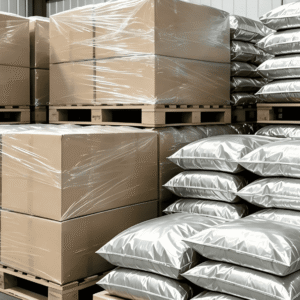
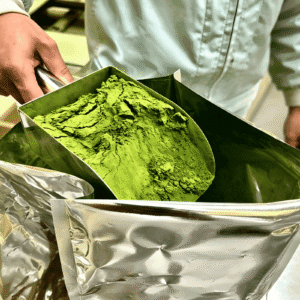
Consistency assurance. Low-temperature double-grinding technology ensures consistent color, fineness, and flavor stability across every batch of matcha powder. This is achieved through precise temperature control and particle size management. It meets the stringent requirements of industrial-scale production for batch-to-batch consistency. Buyers can confidently incorporate summer-autumn matcha into their regular formulations. They need not worry about batch-to-batch variations affecting product quality.
Sustainability value. Sourcing summer-autumn matcha powder means reducing agricultural resource waste. It also means improving the annual capacity utilization of tea gardens. This aligns perfectly with the growing global emphasis on sustainable sourcing in the food industry. For brands with ESG reporting requirements, this is a compelling story to include in sustainability communications.
The Takeaway
Low-temperature double-grinding technology is reshaping the raw material landscape of the matcha industry. It is transforming once-neglected summer and autumn tea from a “wasted resource” into a “high-value-added raw material.” It generates substantial economic benefits for tea farmers and processors. It also offers B2B matcha powder buyers more stable and cost-effective supply options.
For matcha powder buyers, understanding this technology means negotiating from a position of strength. Understand what constitutes genuinely good summer-autumn matcha powder. Learn how to evaluate a supplier’s technical capability. And know how to translate raw material cost advantages into competitive market positioning for end products.
The era of summer-autumn matcha powder has arrived. Smart buyers are already taking action.
#low-temperature grinding #summer autumn matcha #matcha processing technology #matcha raw material utilization #B2B matcha procurement #bulk matcha powder
Leave a Reply