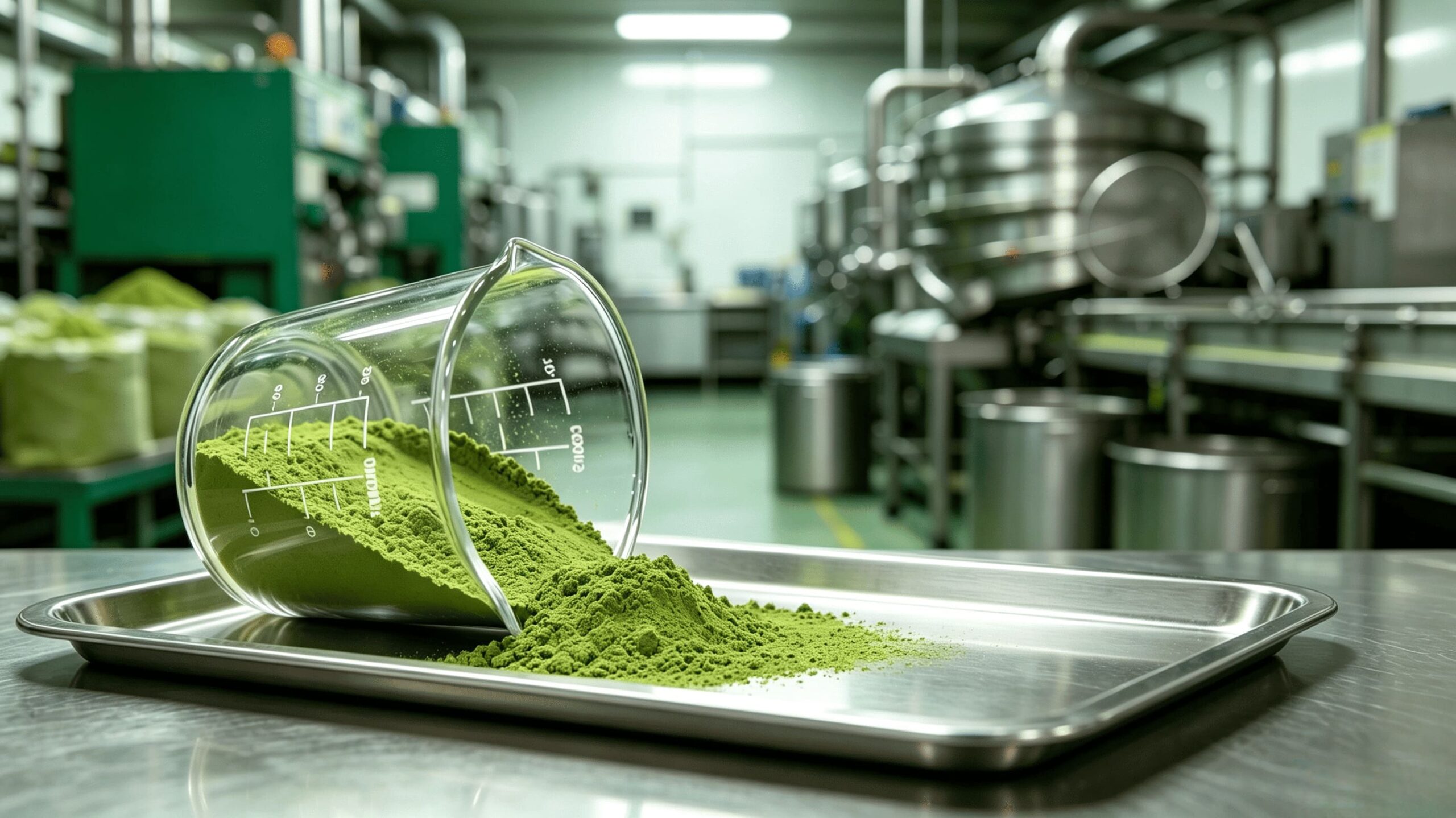
The global matcha market was valued at approximately $5.07 billion in 2025. It is projected to reach $8.86 billion by 2033. The primary driver of this growth is B2B demand. This demand comes from cafés, restaurants, food manufacturers, and beverage brands.
As a matcha powder manufacturer, we are at the center of this growth wave. Over the past few years, bulk orders have become routine. They are no longer occasional large purchases. More B2B clients are moving beyond small-batch buying. They actively seek long-term, stable, and traceable bulk supply solutions.

From a manufacturer’s perspective, this article examines the B2B matcha market shift. It also explains how we are aligning our offerings with this trend.
The Global Matcha Market: B2B Is the Real Growth Engine
The global matcha market has grown far beyond a niche category. According to Grand View Research, it was valued at $5.07 billion in 2025. It is expected to reach $8.9 billion by 2033.
Projections vary slightly across research firms. However, the trend is highly consistent. Matcha is growing at 7%–12% annually. That is nearly twice the rate of traditional tea (3%–4%) and coffee (4%–5%).
Several factors drive this growth. Health awareness is rising. Demand for natural beverages is increasing. In addition, matcha is finding wider use in food, bakery, and dessert applications.
But who is driving this growth? The data is clear. The B2B channel accounts for approximately 68% of the global matcha market.
Cafés, beverage chains, health food brands, and food manufacturers do not buy small quantities. Instead, they buy in bulk. This helps them control cost, quality, and supply stability.Therefore, matcha’s growth story is fundamentally an industrial user story. It is not a household user story.
Why B2B Clients Choose Bulk Procurement
For B2B buyers, bulk procurement is not just about lower unit prices. The business logic is more systematic.
Cost control. Bulk procurement significantly reduces unit costs. For margin-sensitive food and beverage industries, this is a top priority.
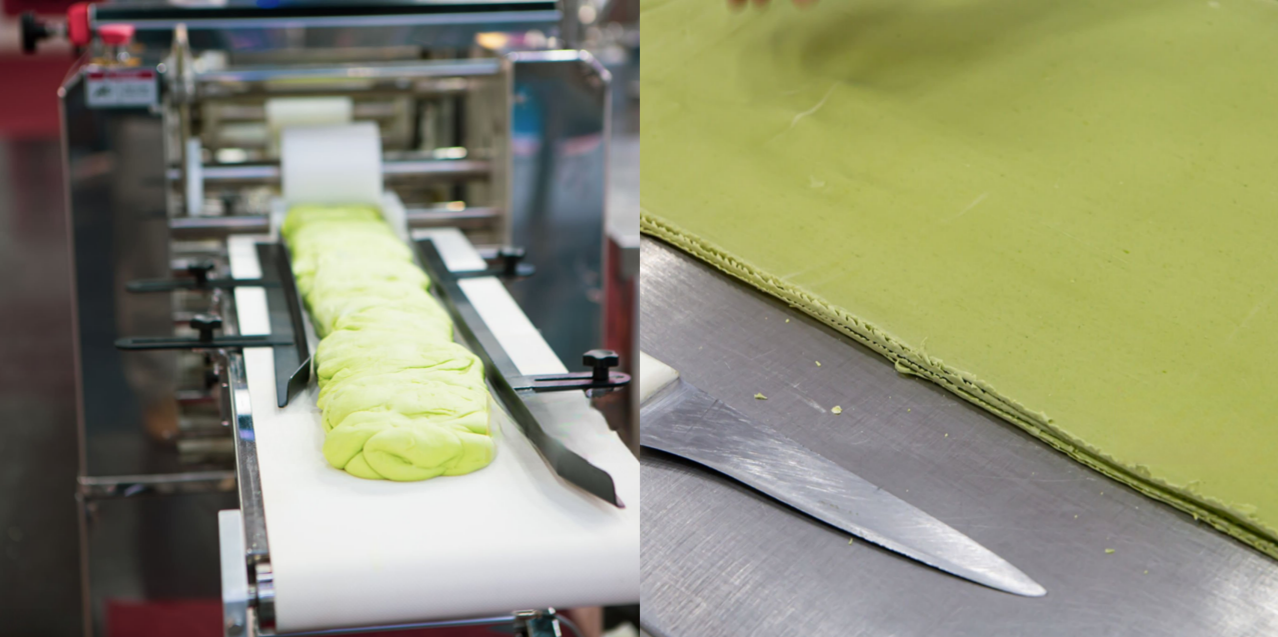
Quality consistency. B2B clients demand that every batch performs the same way. The same matcha powder should deliver consistent color, flavor, and stability—whether used in lattes, baking, or ice cream. Standardized tencha blending and rigorous batch testing make this possible.
Supply stability. The 2025 matcha supply crisis proved that disruptions are more damaging than price swings. As a result, B2B clients prefer locking in capacity through long-term bulk agreements. Manufacturers with their own tea gardens and independent capacity are better positioned to provide supply security.
Traceability and compliance. Major brands require strict traceability for raw materials. They also need full compliance documentation. Every bulk order must include test reports, certificates of origin, and organic certification files. This ensures that clients’ supply chains can withstand audits.
Who Is Driving B2B Matcha Demand?
Cafés and beverage chains are the largest B2B consumer group. Matcha lattes, iced matcha drinks, and matcha-infused pastries are driving menu innovation. For these clients, ceremonial grade matcha is the mainstream choice. Its bright green color and rich umami flavor are essential to product quality.
Health food and supplement brands are incorporating matcha into protein powders, energy bars, and dietary supplements. They prioritize matcha’s antioxidant properties and natural composition. Organic matcha green tea powder with FDA/USDA/EU Organic certifications has a clear edge in this segment.
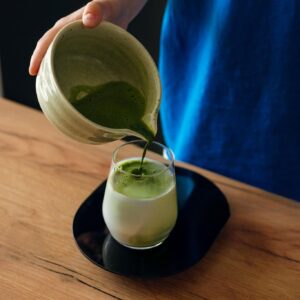
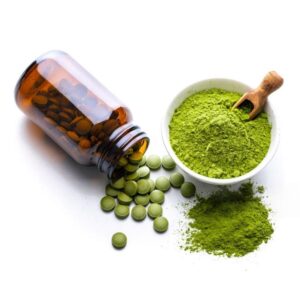


Food manufacturers use matcha in bakery, confectionery, ice cream, and chocolate products. High-temperature processing demands better color stability. Culinary grade matcha maintains matcha’s signature flavor while offering improved heat stability and color retention.
Regionally, Asia Pacific is the world’s largest matcha market, accounting for 56.0% of global revenue. As a major matcha-producing country, China supplies approximately 58% of global matcha demand, making it one of the most important supply sources for B2B buyers. North America is the fastest-growing market outside Japan. In 2024, Japan exported 5,092 tons of matcha, an 18.7% year-on-year increase, with export value reaching approximately $185 million, a 25.9% increase. The strength of global demand further validates the B2B expansion logic.
Manufacturer’s Perspective: Key Capabilities for B2B Demand
The B2B market expansion has raised the bar for production and quality control. From a factory operations perspective, several dimensions are especially critical.
Capacity assurance. Bulk orders demand far more capacity than retail. Optimizing scheduling across tencha preparation lines and stone mill units ensures consistent lead times for large orders. Additionally, using summer and autumn tea helps ease the seasonal bottleneck of spring tea supply.
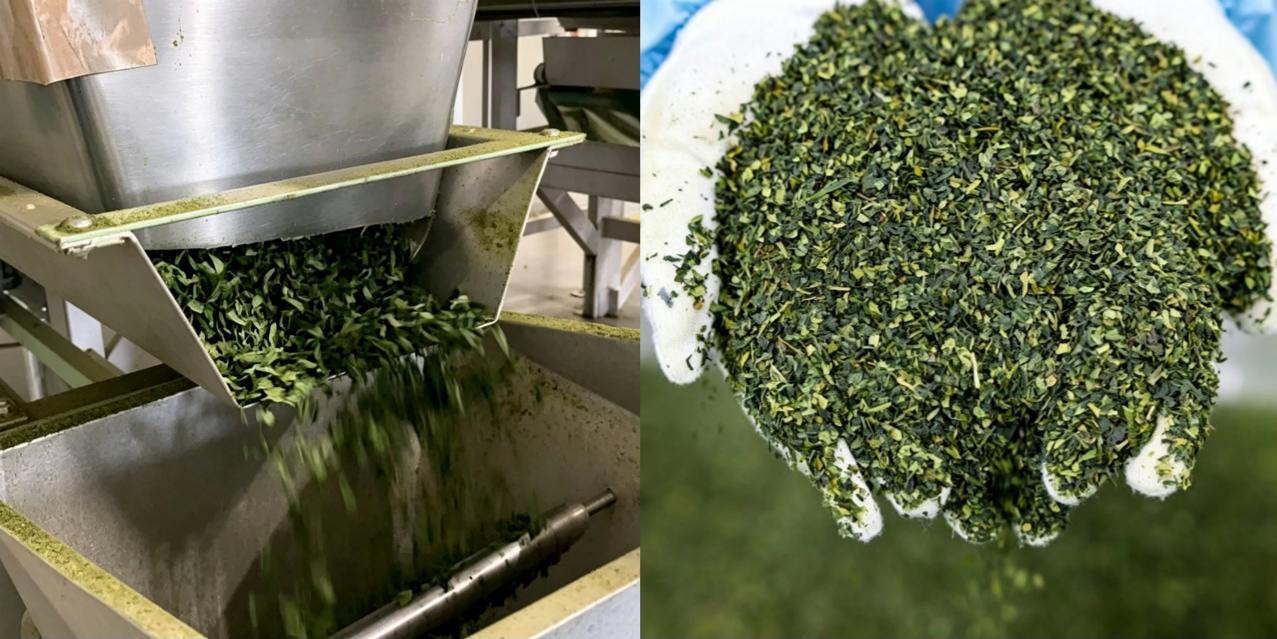
Quality consistency. B2B clients care less about “the highest quality.” Instead, they care about “every batch being the same.” Standardized blending strategies at the tencha stage are essential. So is testing for particle size, color values, and sedimentation rate before release. These measures ensure batch-to-batch consistency.
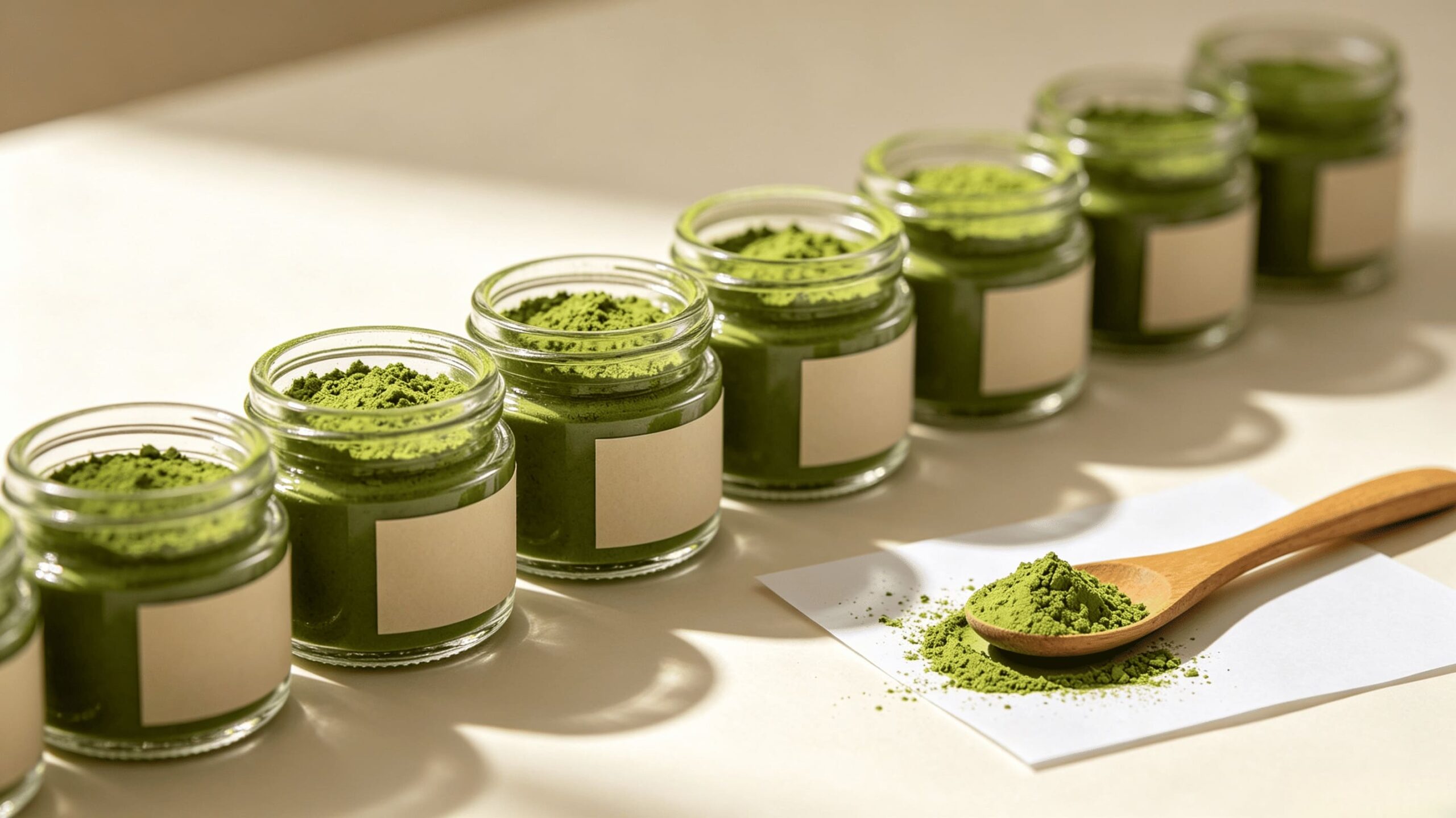
Graded supply. Different clients have different needs. Ceremonial grade, culinary grade, organic certified, and industrial-grade product lines cover a wide range of applications—from beverages and bakery to supplements and more.
Customization support. For B2B clients with specific requirements, we offer custom fineness, color values, and packaging specifications. This helps clients differentiate their own products in the market.
Recommendations for Matcha Buyers
When evaluating bulk matcha suppliers, we recommend focusing on five key dimensions:
Capacity transparency: Does the supplier have enough tencha reserves and grinding capacity to support your order volume?
Quality consistency: Is the supplier’s batch-to-batch variation well controlled? Do they provide test data for every batch?
Supply resilience: Can the supplier handle raw material shortages or sudden demand spikes?
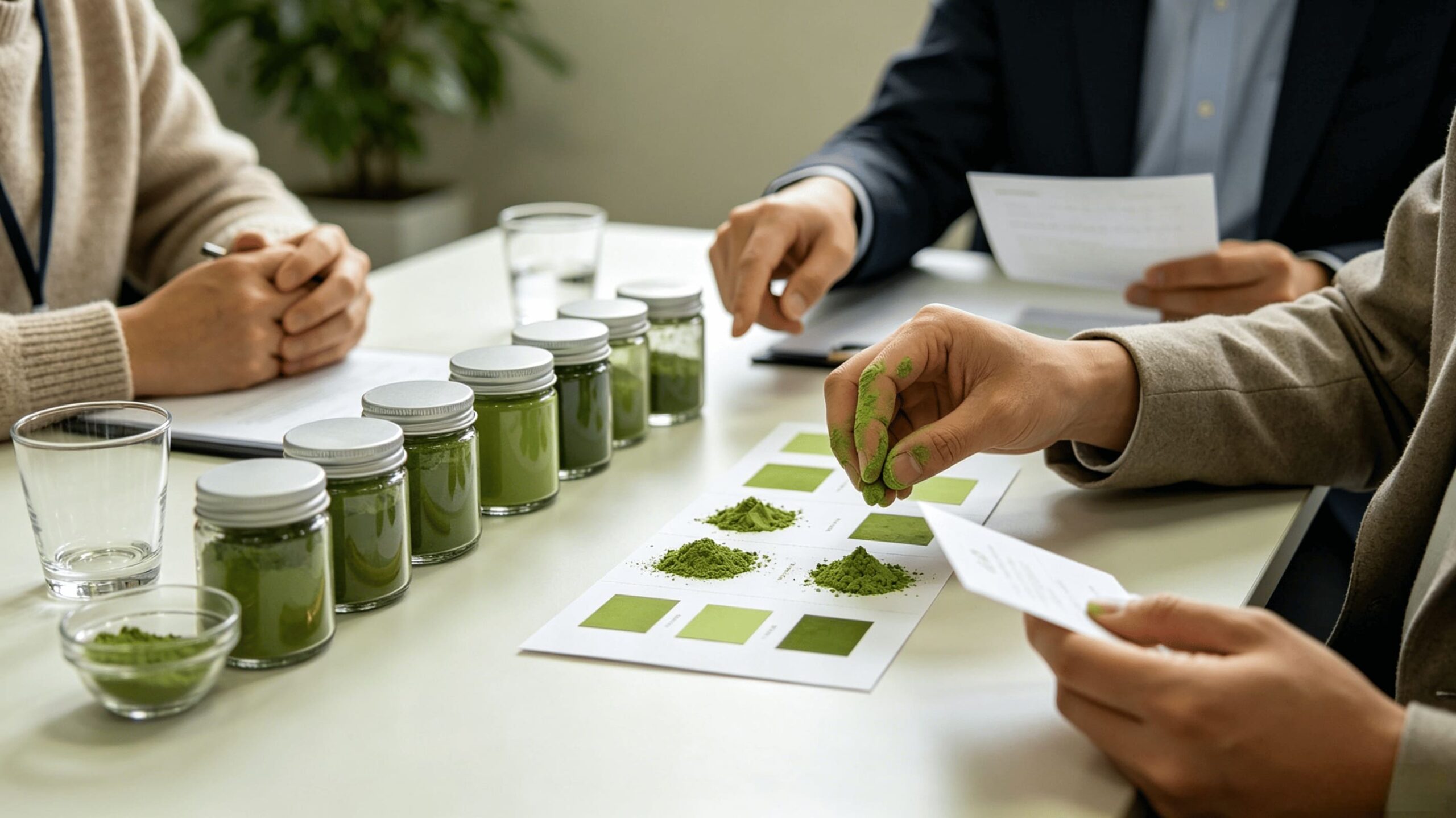
Compliance capability: Does the supplier provide complete test reports, certification documents, and customs clearance support?
Grade matching: Can the supplier recommend the right grade for your specific application—beverages, bakery, supplements, or others?
A good supplier delivers more than just matcha powder. They also provide stable quality, reliable capacity, and a long-term partnership.
Conclusion
Matcha’s future lies in B2B. The global matcha market is shifting from consumer-driven to industry-driven. The B2B channel already accounts for approximately 68% of the global matcha market. This share continues to rise.
Matcha powder manufacturers must be ready across multiple dimensions. These include capacity, quality control, graded supply, and customized support.
If you are looking for a reliable bulk matcha powder supplier—whether for ceremonial grade, culinary grade, or organic matcha—we welcome your inquiry.
#B2B matcha market #bulk matcha powder #ceremonial grade matcha #culinary matcha #organic matcha green tea powder #wholesale matcha powder for cafes and bakeries
Leave a Reply