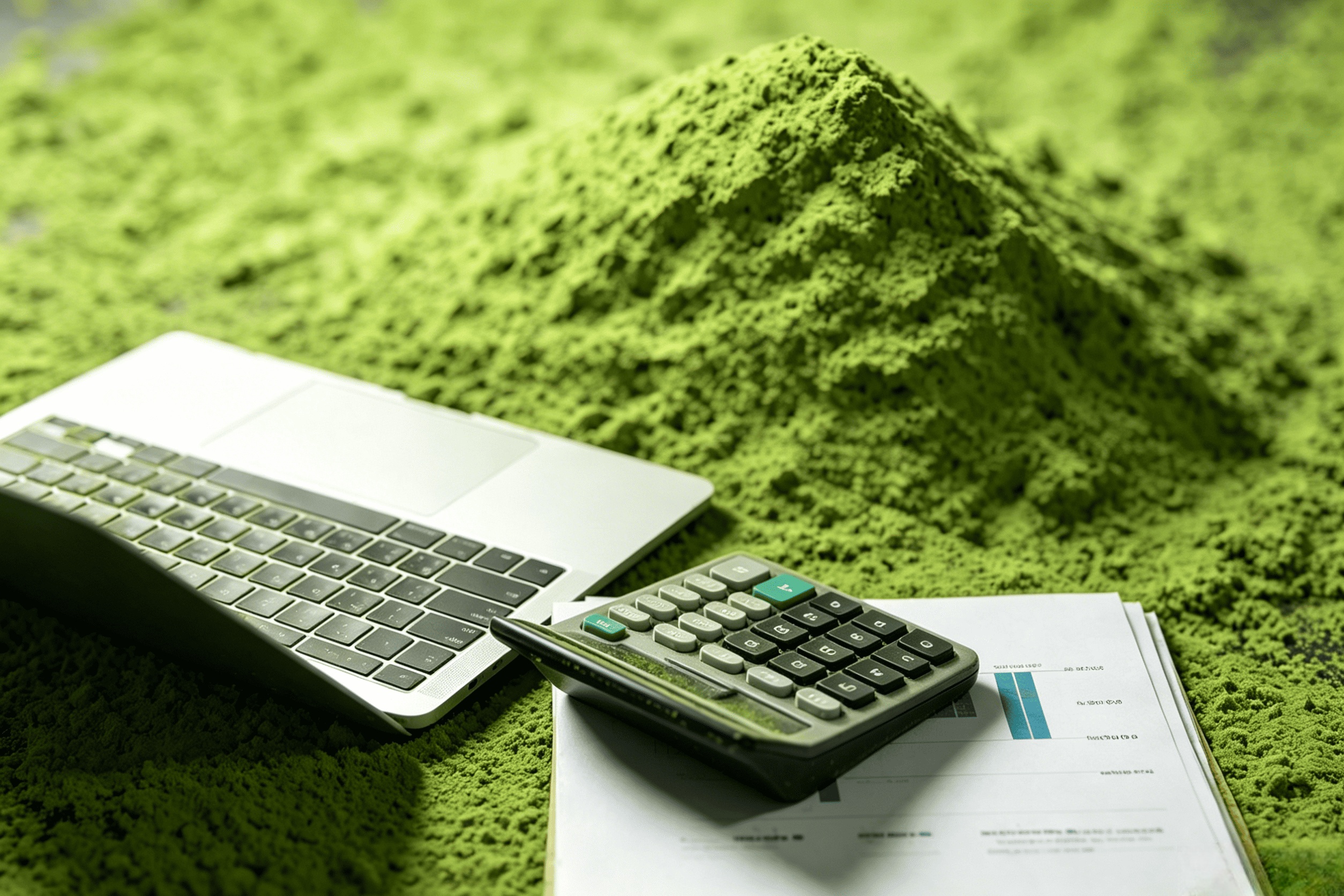
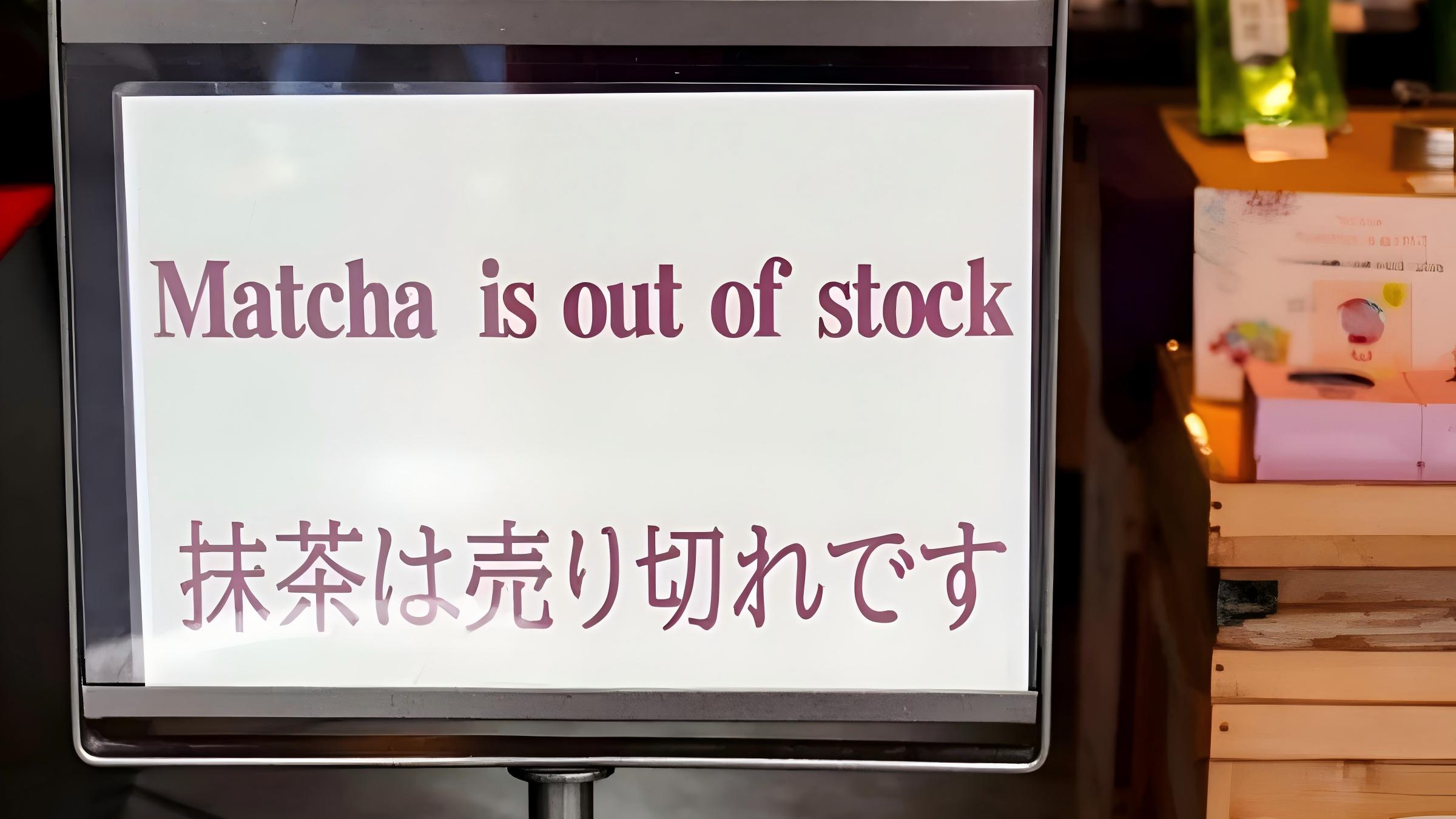
In 2025, the global matcha powder industry faced an unprecedented shock. Record-breaking heatwaves in Japan’s Kyoto region—the heart of premium matcha tea production—collided with surging global demand, sending prices soaring and supply chains into disarray. By 2026, the crisis had not only failed to abate—it had deepened. Kyoto tencha auction prices surged past JPY 22,000 per kilogram at their peak in May 2026. Orders are now booked through 2028. For B2B buyers in the food and beverage industry, one thing has become painfully clear: reliable bulk matcha powder supply can no longer be taken for granted.
This guide examines the three drivers of the matcha shortage, its impact on commercial buyers, and actionable strategies to secure your supply—including why working with a trusted matcha powder manufacturer direct is now a strategic imperative.
The Three Drivers of the Crisis
1. Climate Change: Record Heatwaves Devastate Tea Farms
Matcha powder production begins with tencha—shade-grown tea leaves that are steamed, dried, and ground into powder. In 2024 and 2025, Japan experienced unprecedented heatwaves that damaged tea bushes during critical growing periods. Some regions saw harvests decline by as much as 40%. Kyoto’s tencha yield fell roughly 25% due to heat stress.

The 2026 season brought little relief. While the first flush produced high-grade tea, the opening auction price already cleared JPY 10,000 per kilogram—well above where the previous season had opened. By mid-May, prices had climbed to approximately JPY 22,000 per kilogram—levels the market had not seen in recent memory. Tencha is highly sensitive to climate conditions due to its specialized shaded cultivation, making it particularly vulnerable to temperature extremes.
2. Structural Decline: Japan’s Aging Farmer Crisis
Climate is only half the story. Japan’s tea industry faces a deeper, long-term structural challenge: an aging workforce with too few successors. The number of Japan’s core tea farmers plummeted from 25,043 in 2010 to just 11,644 in 2020—a reduction of over 53.5% in a single decade. With the average grower now over 70, abandoned farmland continues to increase.
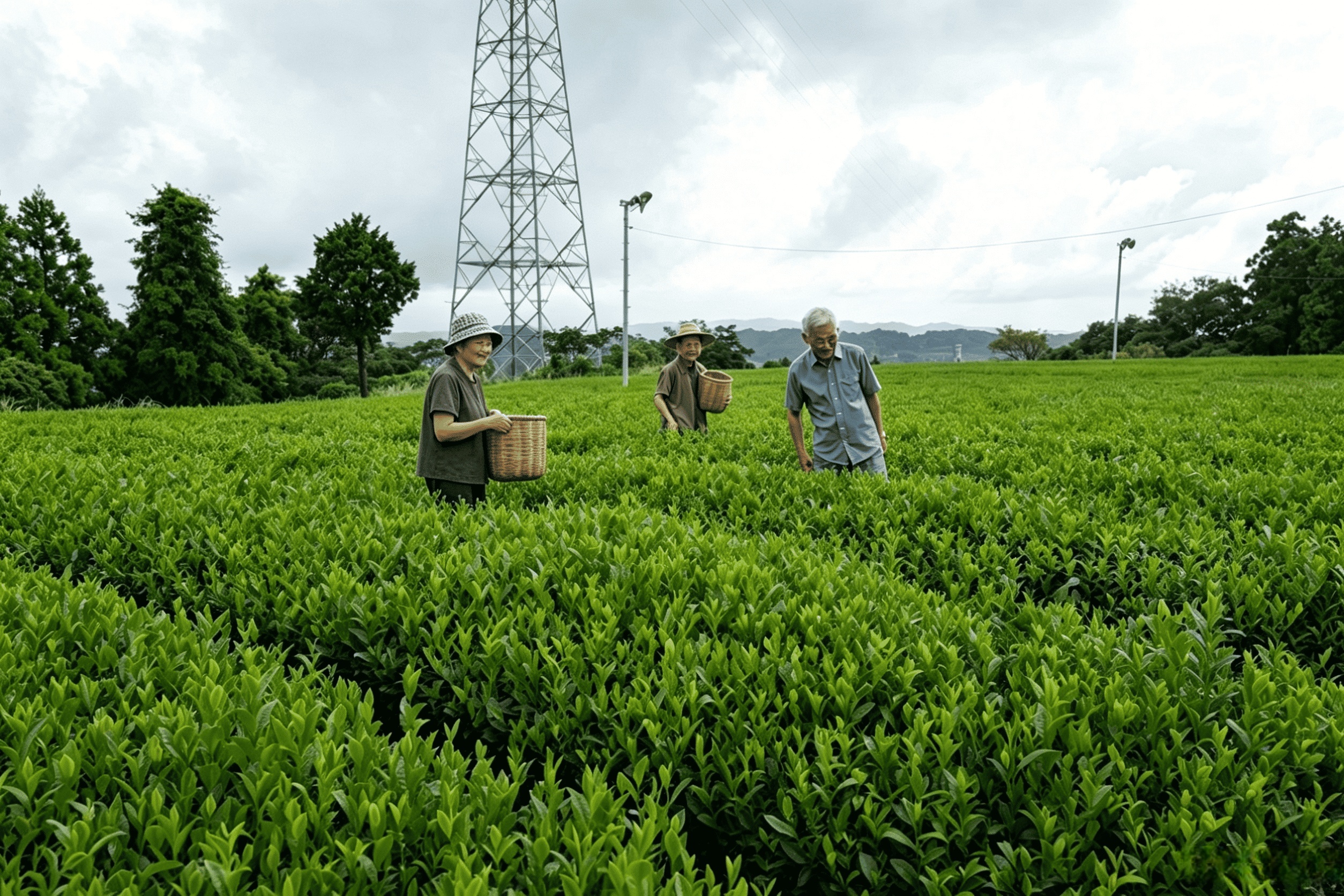
Tea farming is physically demanding and profitability is low, discouraging younger generations from entering the industry. Japan’s tea cultivation area shrank from 49,000 hectares in 2005 to 33,000 hectares in 2025, while production dropped from 100,000 tons to 75,000 tons over the same period.
This structural decline means Japan cannot simply “ramp up” production to meet surging demand—even if the weather cooperates. New tea plants take approximately five years to mature before they can be harvested for matcha.
3. Surging Global Demand: The Social Media Effect
At the same time supply was contracting, global demand for matcha exploded. Millennials and Gen Z consumers, drawn to matcha’s health benefits and vibrant green color, have turned the once-niche product into a global phenomenon. TikTok’s “Matcha Tok” tag has accumulated tens of millions of views, with Gen Z linking matcha to a healthy lifestyle.
Matcha green tea is no longer just for traditional tea ceremonies—it appears in Starbucks lattes, Krispy Kreme doughnuts, skincare products, and wellness supplements. The global matcha market was valued at USD 3.67–4.17 billion in 2025 and is projected to reach USD 5.35 billion by 2031. US retail sales of matcha have increased by 86% compared to three years ago. France has seen average annual matcha sales growth of 60% over the past three years, consistently outstripping supply.

In May 2026, the International Matcha Association (IMA) and 38 major Japanese tea traders issued an emergency joint statement warning that the entire matcha supply chain faces the threat of collapse. The IMA’s representative director warned that the industry has only 1.5 to 2 years to establish international quality standards; otherwise, the entire market could face a crash. This is an unprecedented industry-wide alliance in Japanese tea history—a clear sign of the crisis’s severity.
The Impact on B2B Buyers
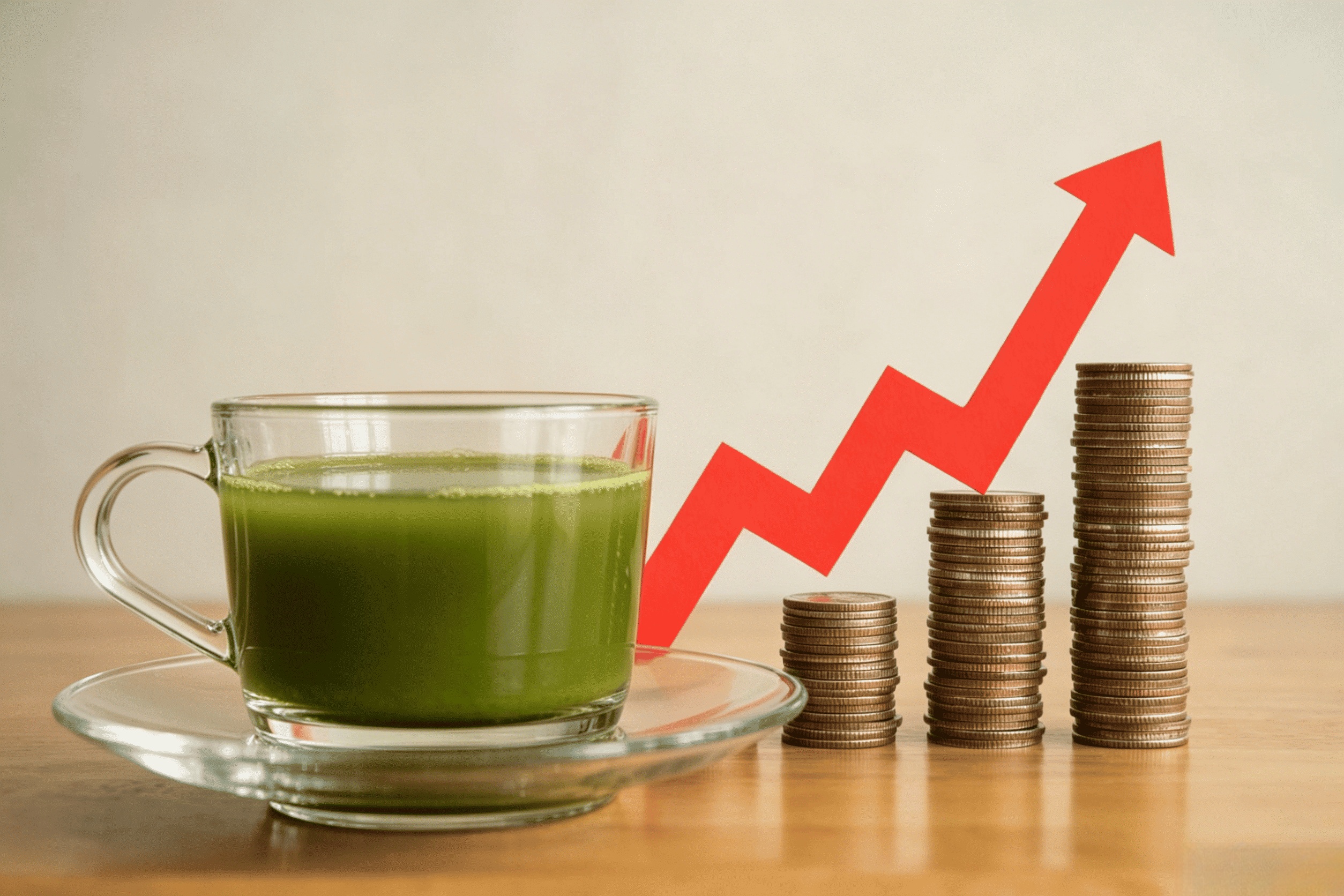
Record Prices. At Kyoto’s 2026 opening auction on May 13, the average price for machine-harvested tencha reached JPY 13,972 per kilogram—approximately 1.7 times higher than the previous year. By mid-May, prices peaked at around JPY 22,000 per kilogram. The fiscal 2025 average price ultimately reached JPY 14,144—2.6 times higher than the fiscal 2024 average of JPY 5,402. Kagoshima’s 2026 opening auction cleared roughly 60% above 2025 levels.
Price breakdown by harvest
Autumn tea (September harvest, used for cookies and processing): prices surged 5–7 times, with shortages making products disappear from shelves as soon as they appear.
Second flush tea (June harvest, largest volume): prices rose 3–5 times.
Shincha (first flush, March harvest, highest grade): supply equally tight.
Supply Rationing and “Scalper” Problems. In Uji—the birthplace of matcha—local shops limit customers to one tin per person. Kyoto’s historic houses like Marukyu Koyamaen and Ippodo have been forced to implement purchase restrictions. Even with advance orders, wait times have stretched to 3–6 months. The shortage has spawned “matcha scalpers”—unauthorized resellers who buy in bulk and resell at inflated prices, or flood the market with low-quality products. Many Japanese producers now prioritize long-standing tea ceremony customers, temples, shrines, and long-term business partners—making it even harder for general consumers and new buyers to access supply.
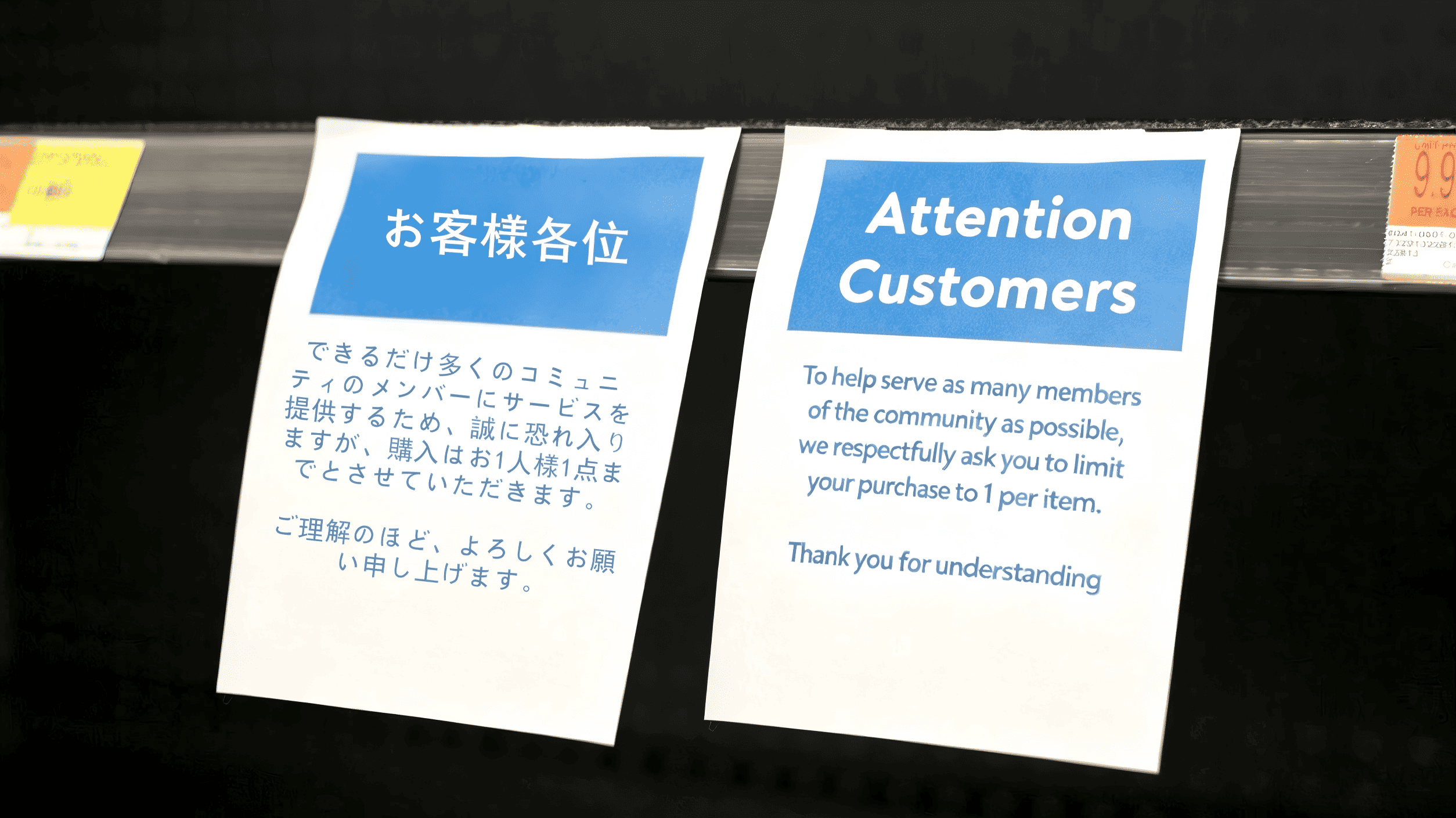
Tariffs Compound the Problem. A 15% US tariff on Japanese tea imports has further increased prices. One Hawaii-based business reported that its matcha prices went up 40–50% due to tariffs and the shortage combined. Some cafe operators report wait times stretching to six months. The Japan Tea Export Promotion Council has warned that shipments to the US have been significantly delayed.
The Gap in the Market – And Why It Matters to You
The crisis has exposed a fundamental imbalance: global demand for high-quality matcha far exceeds what Japan alone can supply. This has left a gap in the market that needs to be filled by reliable, large-scale production from other origins. For buyers wondering where to buy pure matcha powder online with confidence, this gap presents both a challenge and an opportunity.
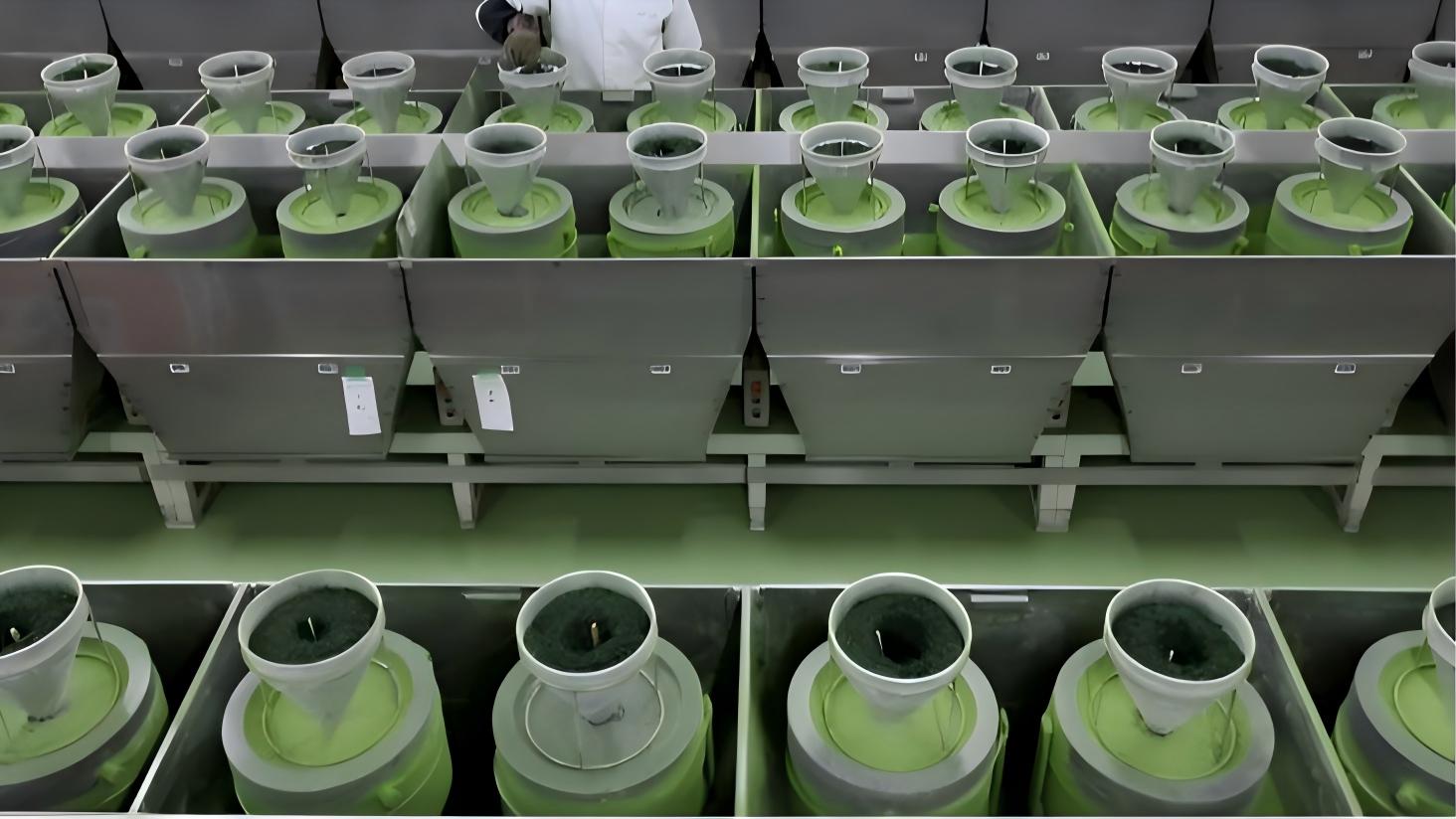
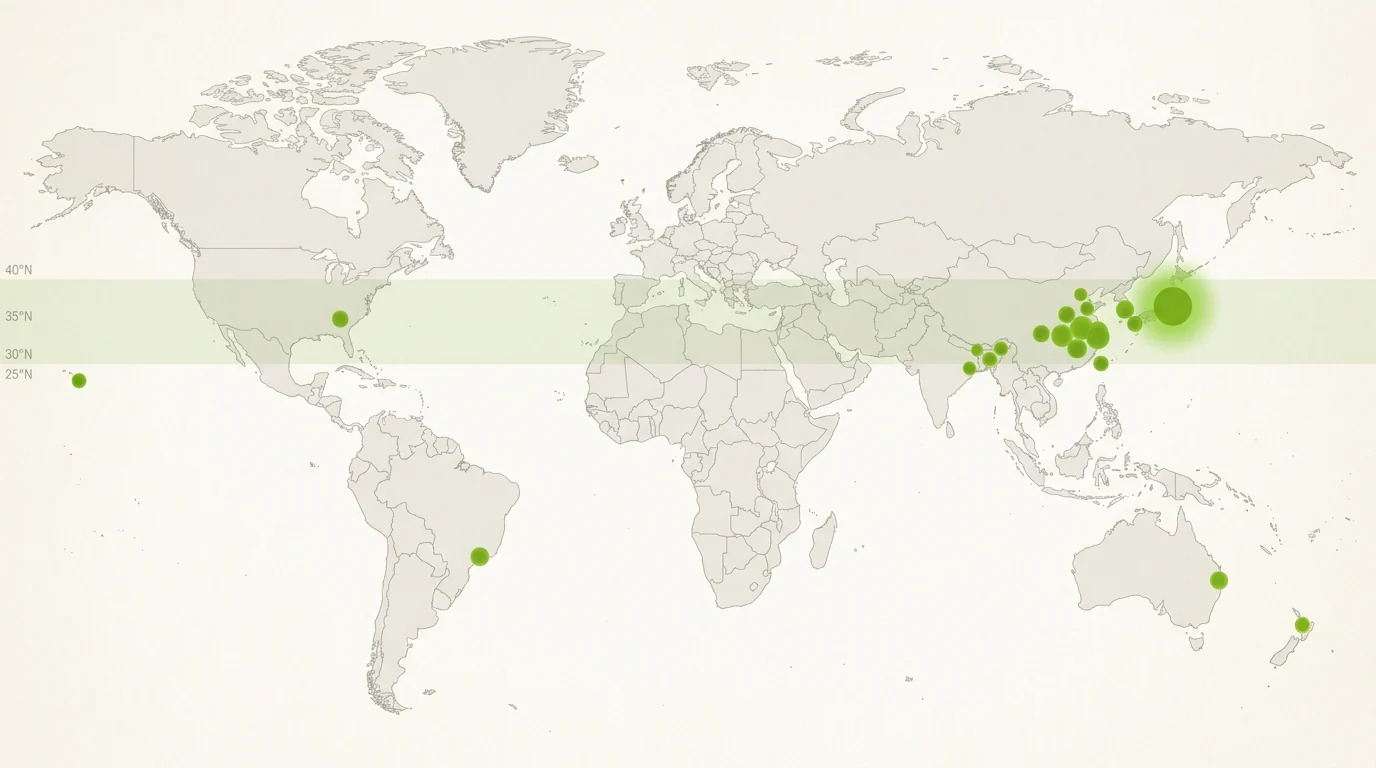
This is where China’s matcha industry has stepped in. China has become the world’s largest matcha producer, with 2025 production exceeding 12,000 tons—accounting for approximately 70% of global production. In the first quarter of 2026 alone, Zhejiang province exported an estimated 1,200 tons of matcha. Zhejiang’s matcha exports in Q1 2026 reached 1,241.97 tons valued at 140 million yuan—a staggering 7.3-fold year-on-year increase. Industry capacity has grown 80% year-on-year, yet orders are still queued, and supply remains tight. With established production infrastructure, standardized quality systems, and competitive pricing, Chinese matcha offers a viable, scalable solution for B2B buyers who cannot afford supply interruptions.
The key is choosing the right matcha powder manufacturer direct —a supplier with traceable sourcing, transparent quality control, and the capacity to fulfill bulk matcha powder orders reliably. When evaluating options, understanding ceremonial grade vs culinary grade matcha powder and how to identify high quality matcha powder becomes essential for making the right procurement decision.
Procurement Strategies for B2B Buyers (And How We Can Help)
1. Diversify Your Supply Sources
Relying too heavily on Japanese matcha has become a supply-chain risk. China’s production capacity, in particular, offers the scale and consistency that many B2B operations require.
How we help: As a matcha powder manufacturer direct, we offer a reliable alternative source with competitive matcha powder manufacturer direct price . Our production facilities in China’s premium tea-growing regions ensure consistent quality and volume—without the supply constraints currently plaguing the Japanese market. We provide bulk matcha powder for industrial applications, culinary matcha for baking and food manufacturing, and organic matcha green tea powder for wellness products. Our pure matcha powder is ideal for clean-label applications where ingredient transparency matters.
2. Secure Long-Term Agreements
Spot buying in a volatile market is a recipe for price shocks. Industry experts predict 5–10 years of stepwise price increases. “Wait for a dip” is the riskiest stance a buyer can take right now. Annual contracts, multi-region diversification, and grade optimization by use case are the three essential moves for 2026.
How we help: We work with B2B clients to structure flexible, long-term supply agreements that stabilize pricing and guarantee delivery schedules. Whether you need ceremonial grade matcha for premium retail, culinary matcha for industrial baking, or pure matcha powder for clean-label applications, we can tailor a procurement plan that fits your needs. For cafes and bakeries, we offer wholesale matcha powder for cafes and bakeries at competitive rates.
3. Build Safety Stock
With orders booked through 2028 and capacity able to meet only 50% of demand, maintaining buffer inventory is no longer optional.
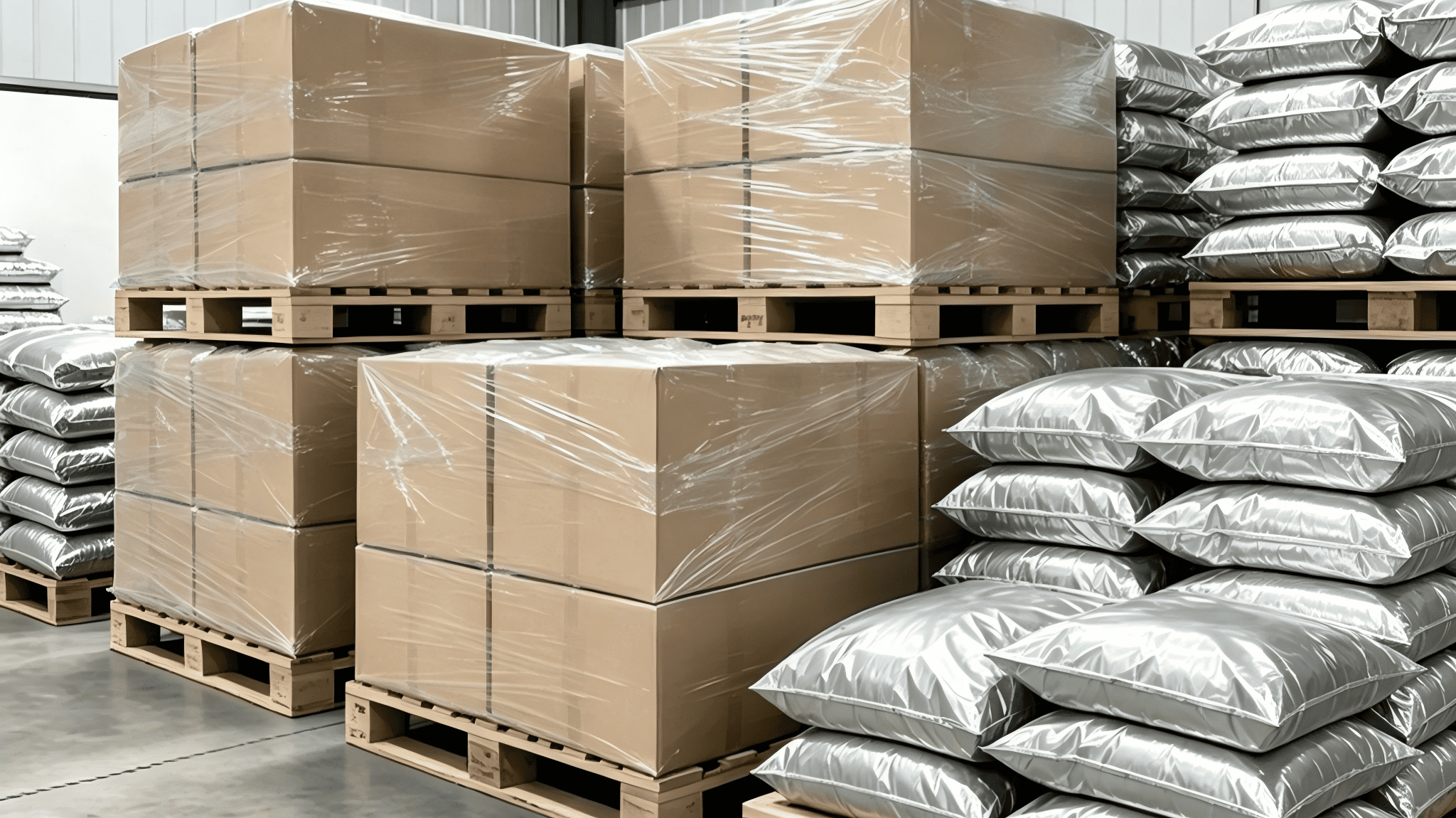
How we help: Our manufacturing capacity and logistics expertise enable us to fulfill bulk matcha powder orders with consistent lead times. We work with clients to forecast demand and build appropriate safety stock levels, ensuring you never face a supply gap. We also provide guidance on how to store matcha powder for freshness to maximize shelf life.
4. Work with a Transparent, Trusted Supplier
In a crisis, reliable information is as valuable as reliable supply. The most trustworthy suppliers share batch-level traceability, third-party test results, and realistic lead times.
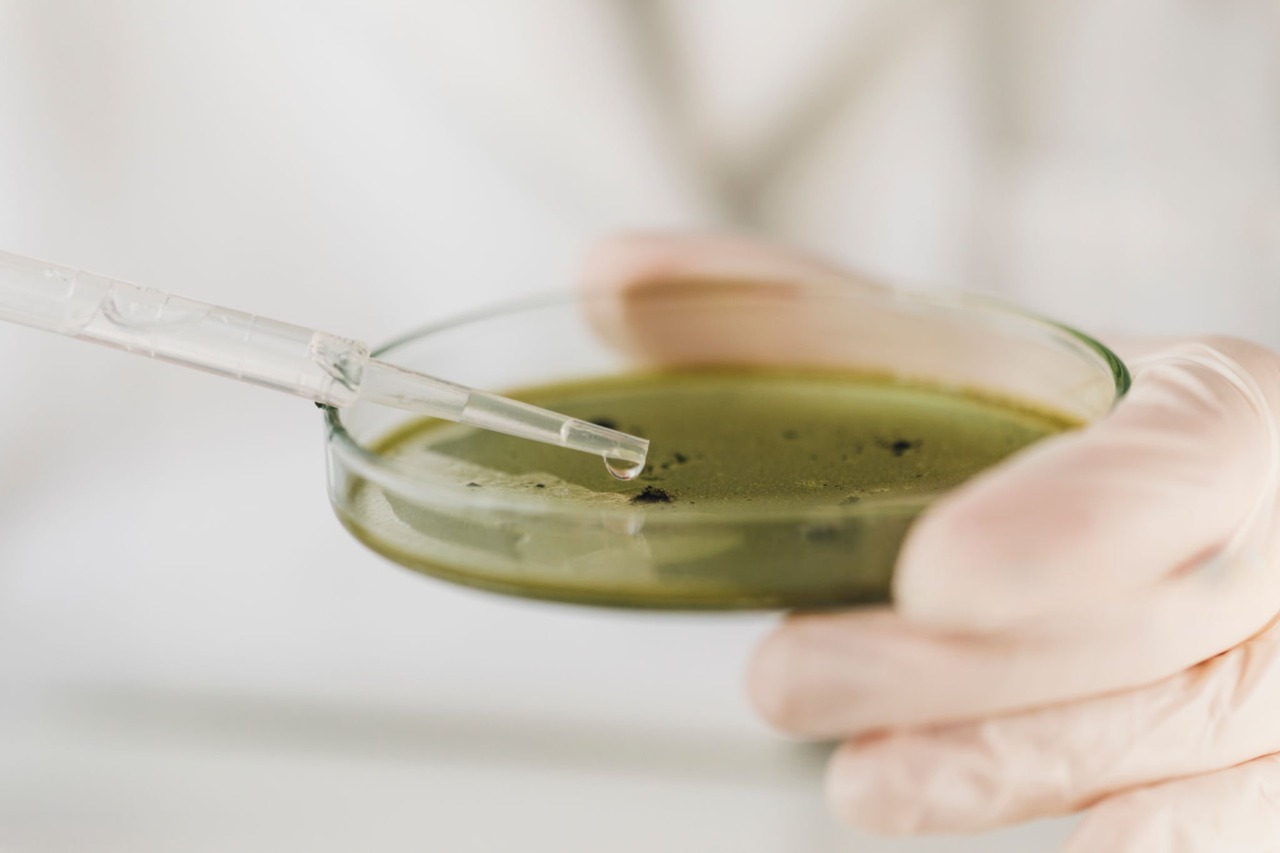
How we help: We provide full visibility into our supply chain—from tea garden to finished powder. Each batch of our matcha powder comes with comprehensive test reports, and our team is available to provide a sample pack of premium matcha powder for your evaluation. We believe that the best matcha powder is not just about quality—it’s about trust. Our organic matcha green tea powder is certified to meet international standards, giving you peace of mind.
5. Optimize Your Matcha Usage
Some cafes are using up to nine grams of matcha per serving, compared to the traditional three grams. This “super-sizing” exacerbates supply pressure and inflates costs. Standardizing recipes and minimizing waste can reduce your consumption needs by 20-30%. For those wondering how much matcha powder to use per cup, we recommend starting with the traditional 2-3 grams and adjusting based on your specific application.
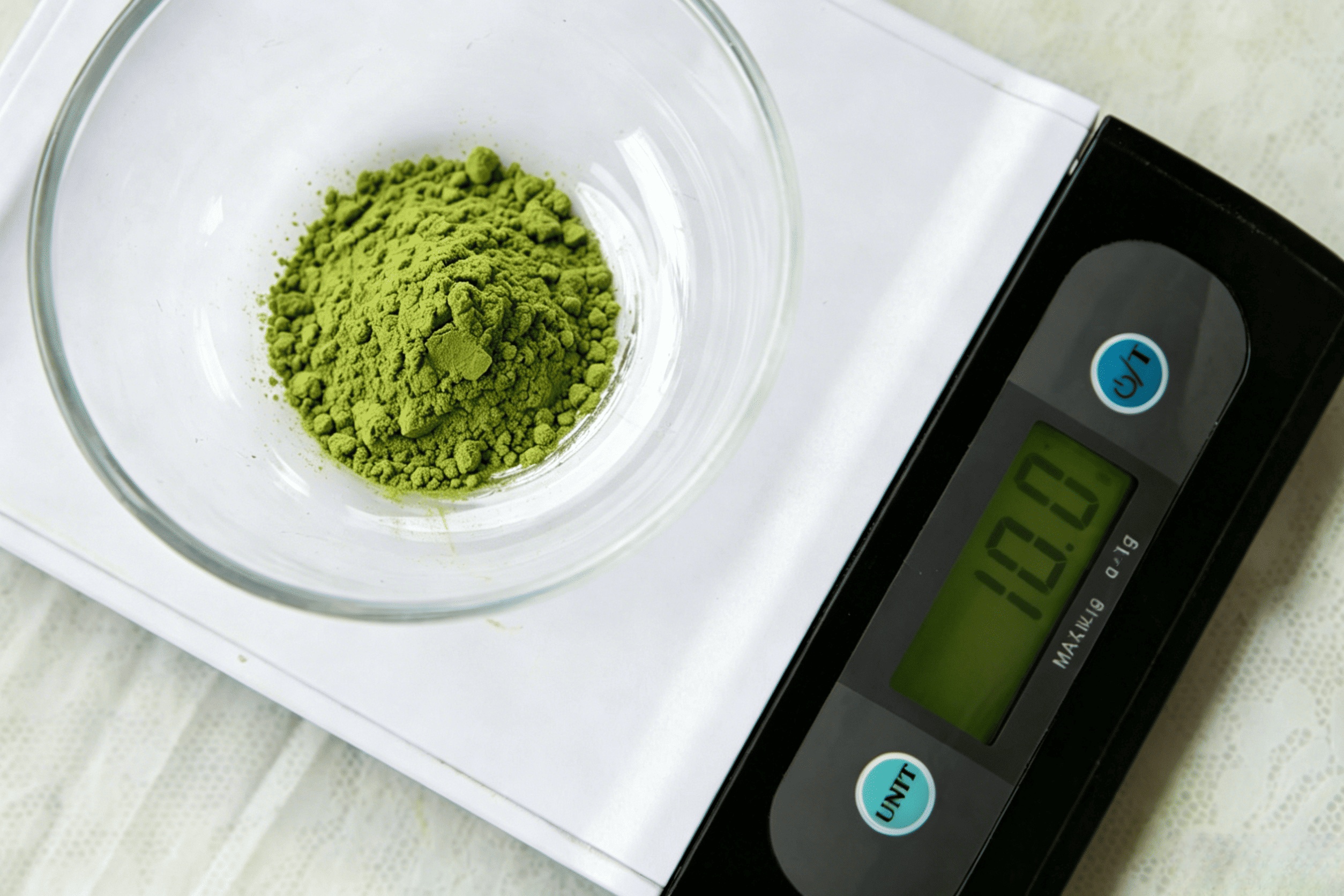
How we help: Our team can work with your R&D department to help you optimize matcha usage in your formulations. For many applications, culinary matcha can deliver excellent results at a lower cost than ceremonial grade matcha. We also provide stability data and technical guidance to help you formulate more efficiently—because using the right grade for the right application saves money and preserves supply. Whether you’re cooking with culinary grade matcha powder or creating matcha powder recipes for baking, we can help you achieve optimal results.
6. Understand the Organic Difference
For buyers committed to clean ingredients, understanding organic vs non-organic matcha green tea powder is crucial. Organic certification ensures no synthetic pesticides or fertilizers touch the leaves from cultivation through processing. This is particularly important for brands positioning themselves in the premium wellness space.
How we help: Our organic matcha green tea powder is certified to international organic standards, providing full traceability from our certified tea gardens to your finished product.
Why This Crisis Creates an Opportunity for Your Business
While the matcha shortage presents challenges, it also creates an opportunity. Brands that secure reliable supply now will have a competitive advantage in the months and years ahead. Those that can maintain product availability while competitors face shortages will build customer loyalty that lasts well beyond the crisis.
That’s where we come in.
As a trusted matcha powder manufacturer direct, we have the production capacity, quality systems, and supply chain visibility to deliver consistent, high-quality matcha powder to B2B clients worldwide. Our matcha is produced in certified facilities with full traceability—giving you peace of mind that your supply chain is secure. We understand how to identify high quality matcha powder, and we ensure every batch meets our rigorous standards.
Whether you need:
Ceremonial grade matcha for premium retail or traditional use
Culinary matcha for baking, smoothies, or food manufacturing
Bulk matcha powder for large-scale industrial production
Organic matcha green tea powder for health and wellness products
Pure matcha powder for clean-label applications
Premium matcha tea for high-end retail positioning
We can deliver. And we can help you plan for the future—so you never face a supply gap again.
Secure Your Matcha Supply Today
The matcha crisis of 2025-2026 has sent a clear message: reliable supply requires reliable partners. Don’t wait until your next shipment is delayed to start planning. Contact us today to discuss your matcha sourcing needs. We can provide:
A sample pack of premium matcha powder for evaluation
Technical specifications for your formulations
Matcha powder manufacturer direct price quotes
Flexible supply agreements tailored to your requirements
Full documentation for import compliance
Bulk matcha powder pricing and volume commitments
Let our matcha powder be the solution to your supply chain challenges.
#matcha supply crisis #bulk matcha powder #matcha powder manufacturer direct #organic matcha green tea powder #ceremonial grade matcha #culinary matcha
Leave a Reply