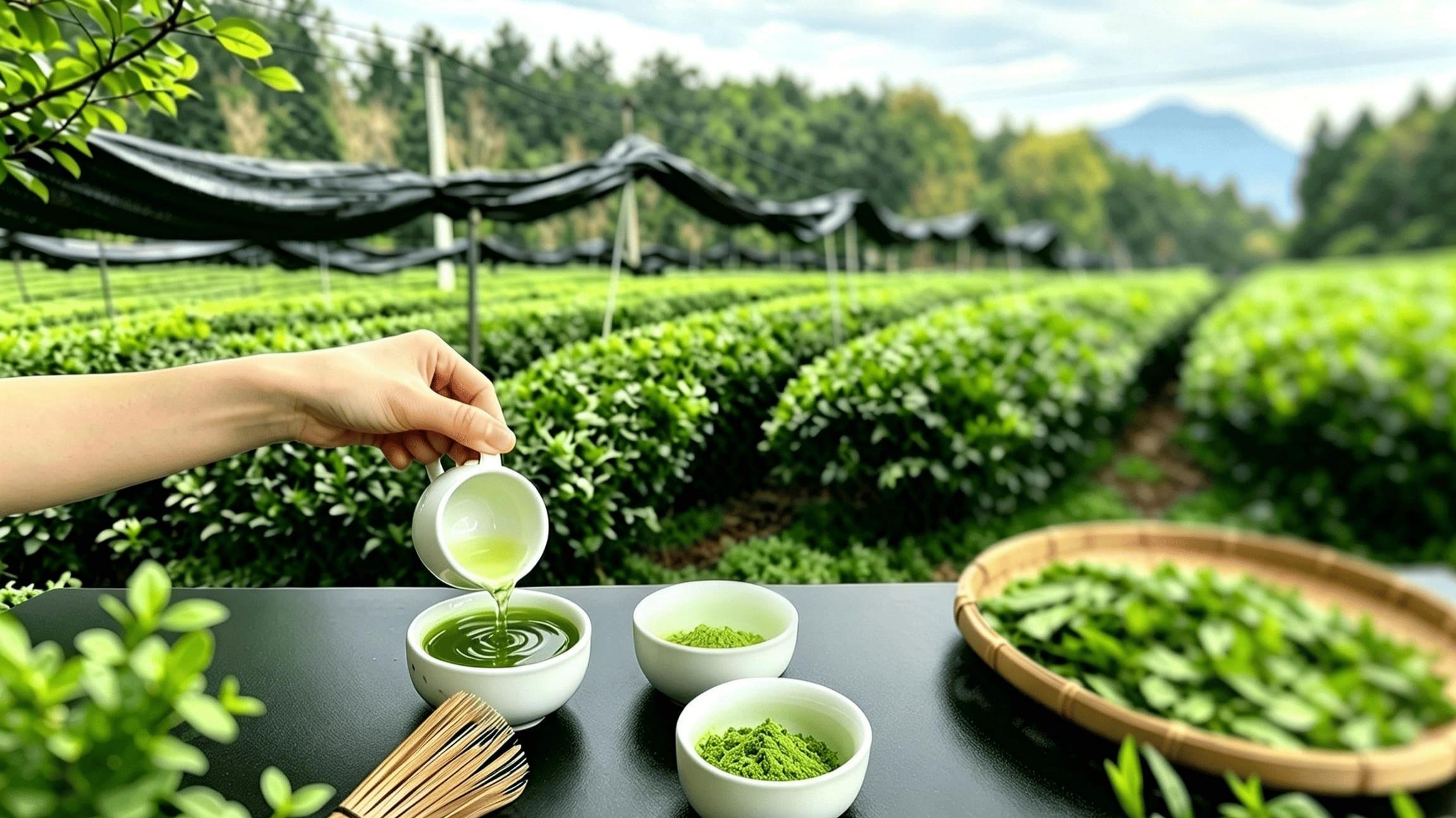
Matcha powder quality is determined at every step from the garden to your cup. For B2B buyers of bulk matcha powder, understanding how quality is verified along this journey is not just a technical detail. Rather, it is the foundation of supply confidence. This guide takes you through the full journey of matcha quality testing—from soil and leaf to powder and packaging. You will learn what tests matter, what standards apply, and how to evaluate whether your matcha powder supplier truly delivers what they promise.
Why Testing Matters More for Matcha
Matcha green tea powder is unique. Unlike steeped teas, where only the infusion enters the cup, matcha is consumed whole-leaf. Therefore, you ingest everything in the leaf—including any pesticides, heavy metals, or contaminants that may be present. As a result, rigorous testing is not optional. It is essential.
Furthermore, matcha powder quality depends on a narrow set of parameters. For example, vibrant green color, fine particle size, umami flavor, and consistent dissolution. Each of these can be measured, quantified, and verified through proper testing protocols. For B2B buyers, the question is not whether your supplier claims quality. Instead, it is whether they can prove it with data.
The Testing Journey: From Soil to Powder
1. Soil and Water Testing
Quality begins before the first seed is planted. Responsible matcha manufacturers test soil for heavy metals, pesticide residues, and pH and nutrient balance. For instance, they check lead, arsenic, cadmium, and mercury levels. Some producers also test irrigation water for contaminants. In our own production regions, ecological tea gardens undergo regular soil and water screening. This ensures the growing environment meets organic matcha green tea powder standards for export.

2. Fresh Leaf Testing
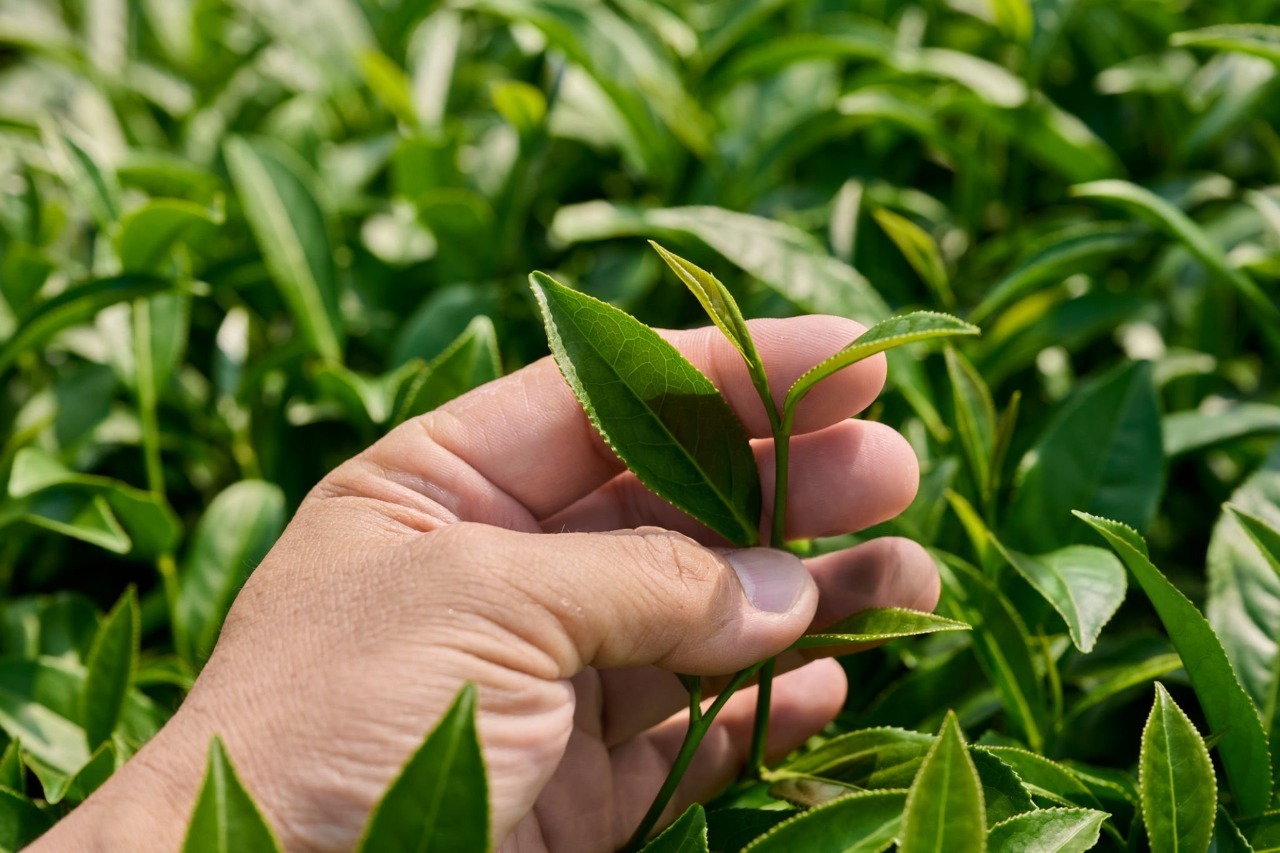
At harvest, the freshest leaves are sampled and tested. Typically, these are the first spring flush. Key parameters include pesticide residue screening, moisture content, and visual inspection. Specifically, we check for export market compliance, processing quality, and color uniformity. In our operations, every batch of incoming leaves is tracked to its specific garden plot. Consequently, we can isolate and address any quality issues at the source.
3. In-Process Quality Control
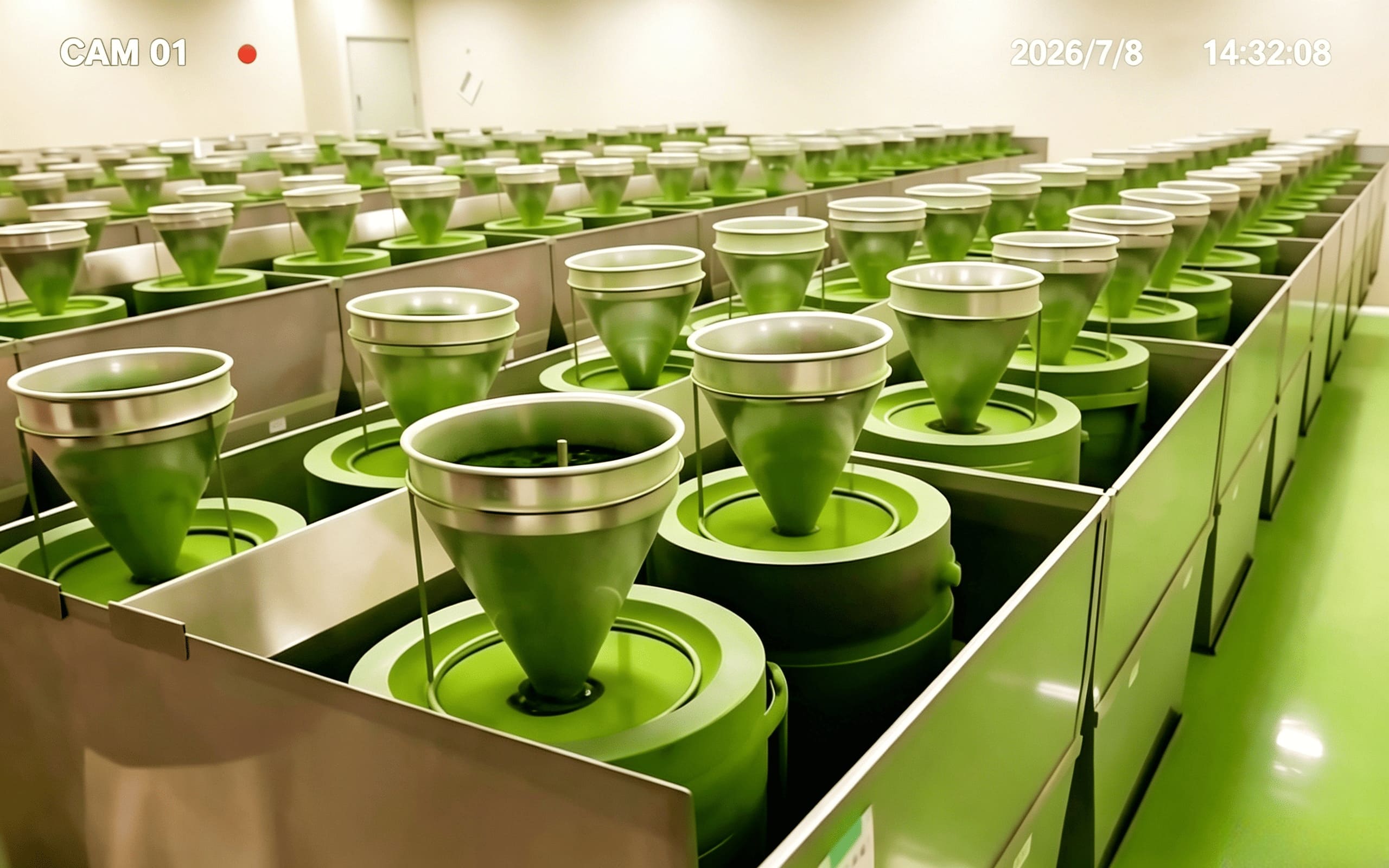
During processing—steaming, drying, stem removal, and grinding—quality is monitored continuously. For example, we use spectrophotometers to measure vibrant green chlorophyll content. We also analyze particle size for smooth suspension in liquids. In addition, we control moisture below 6% to prevent microbial growth. Finally, trained panels conduct sensory evaluations at multiple stages. Thus, quality is verified at every step.
4. Finished Product Testing
This is the most comprehensive layer. Before any batch ships to a B2B buyer, it should undergo several tests:
Pesticide Residue Testing – Leading producers now test for 500+ pesticide residues per batch. Notably, this is a full-batch requirement, not a spot check. We operate at even higher standards, aligning with EU regulations. These are among the strictest globally. Therefore, our matcha green tea products meet the requirements of even the most demanding markets.
Heavy Metal Analysis – Using techniques like ICP-MS, labs measure lead, arsenic, cadmium, and mercury. We test against international benchmarks, including EU and US FDA requirements.
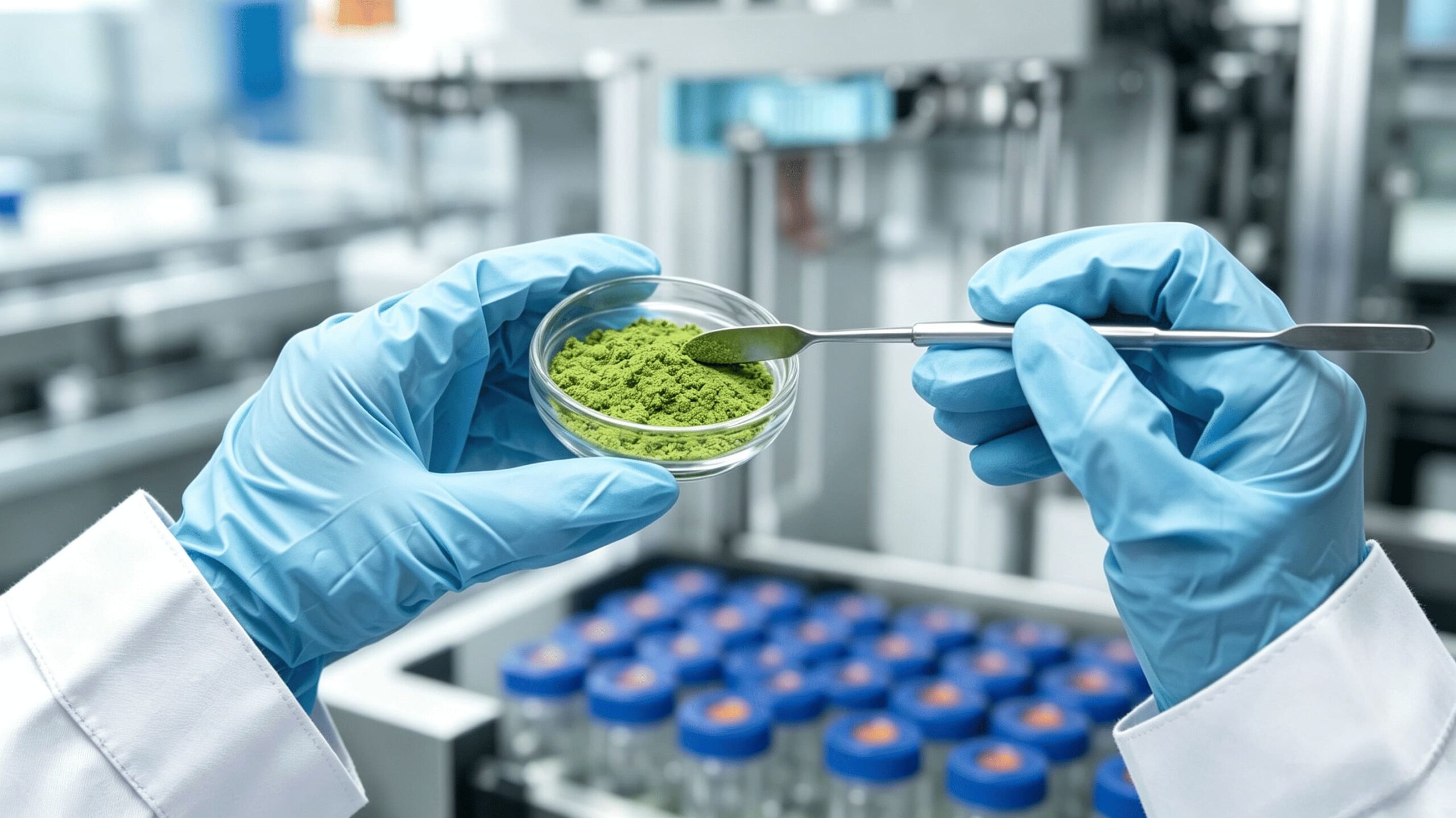
Microbiological Testing – This covers total plate count, mold, yeast, and pathogens like Salmonella and E. coli. As a result, product safety is ensured.
Physical Property Verification – We measure particle size distribution, color values, dissolution rate, and bulk density. Thus, matcha powder quality remains consistent across every batch.
Global Standards and Certifications
A credible B2B matcha supplier operates within a recognized quality framework. Therefore, look for suppliers who meet or exceed major international market requirements:
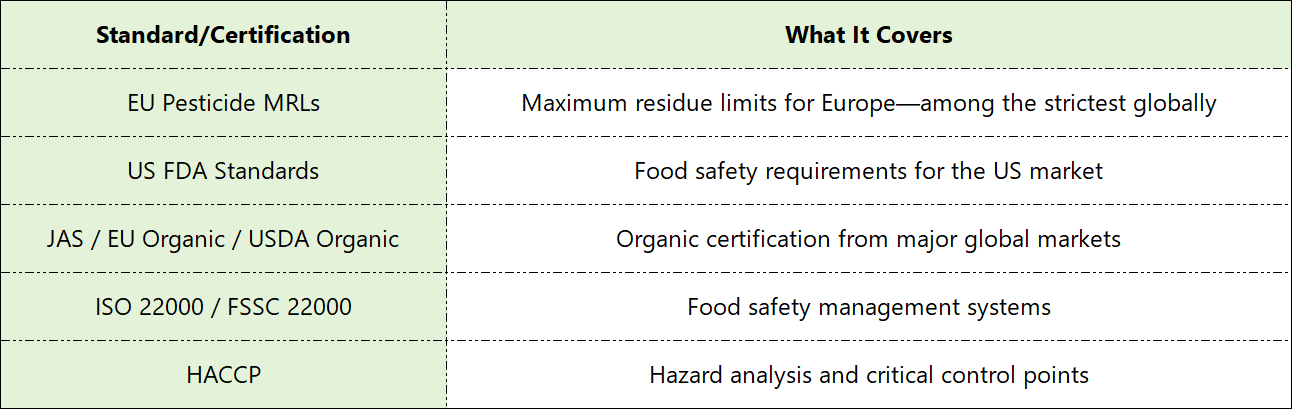
Beyond certifications, look for third-party lab partnerships. Producers who work with independent laboratories demonstrate a commitment to unbiased quality. As a trusted Chinese matcha raw material manufacturer, we partner with recognized third-party labs. Thus, we provide full transparency on every shipment.
Full Inspection vs. Spot Check
One of the most critical distinctions in B2B matcha procurement is the difference between full-batch inspection and spot-check inspection. Full-batch inspection means every production lot is tested against the full panel of parameters. By contrast, spot-check inspection only tests random samples from selected batches. We perform full-batch, multi-parameter testing. Therefore, every batch that leaves our factory carries its own test report. It is not a generic certificate from months ago. When you receive your order, you receive the data that proves its quality.
Questions to Ask Your Supplier
When evaluating a matcha powder manufacturer, asking the right questions is essential. Here are five specific questions that will help you source high quality matcha powder:
“Do you test for heavy metals and microbiological contaminants, or only pesticides?” – Comprehensive testing covers all three categories. In other words, safety requires a complete picture, not just one piece.
“Do you test every batch, or just random samples?” – The answer reveals their commitment to consistency. A full-batch approach is always preferable.

“Which lab performs your testing—in-house, third-party, or both?” – Third-party verification adds significantly more credibility than in-house testing alone.
“Can you provide the test report for the specific batch you are quoting?” – A supplier who cannot match a report to a batch is not truly traceable. This is a red flag.
“What standards do you test against—EU, US FDA, or organic?” – This tells you which markets their product is qualified for. We test against the strictest standards across all major export destinations. For instance, we align with EU pesticide MRLs and US FDA requirements simultaneously.
Conclusion
Matcha powder quality testing is not a bureaucratic exercise. It is the system that protects your brand, your customers, and your supply chain. From soil sampling to finished product analysis, each test adds a layer of confidence that the pure matcha powder you receive is safe, consistent, and true to specification.
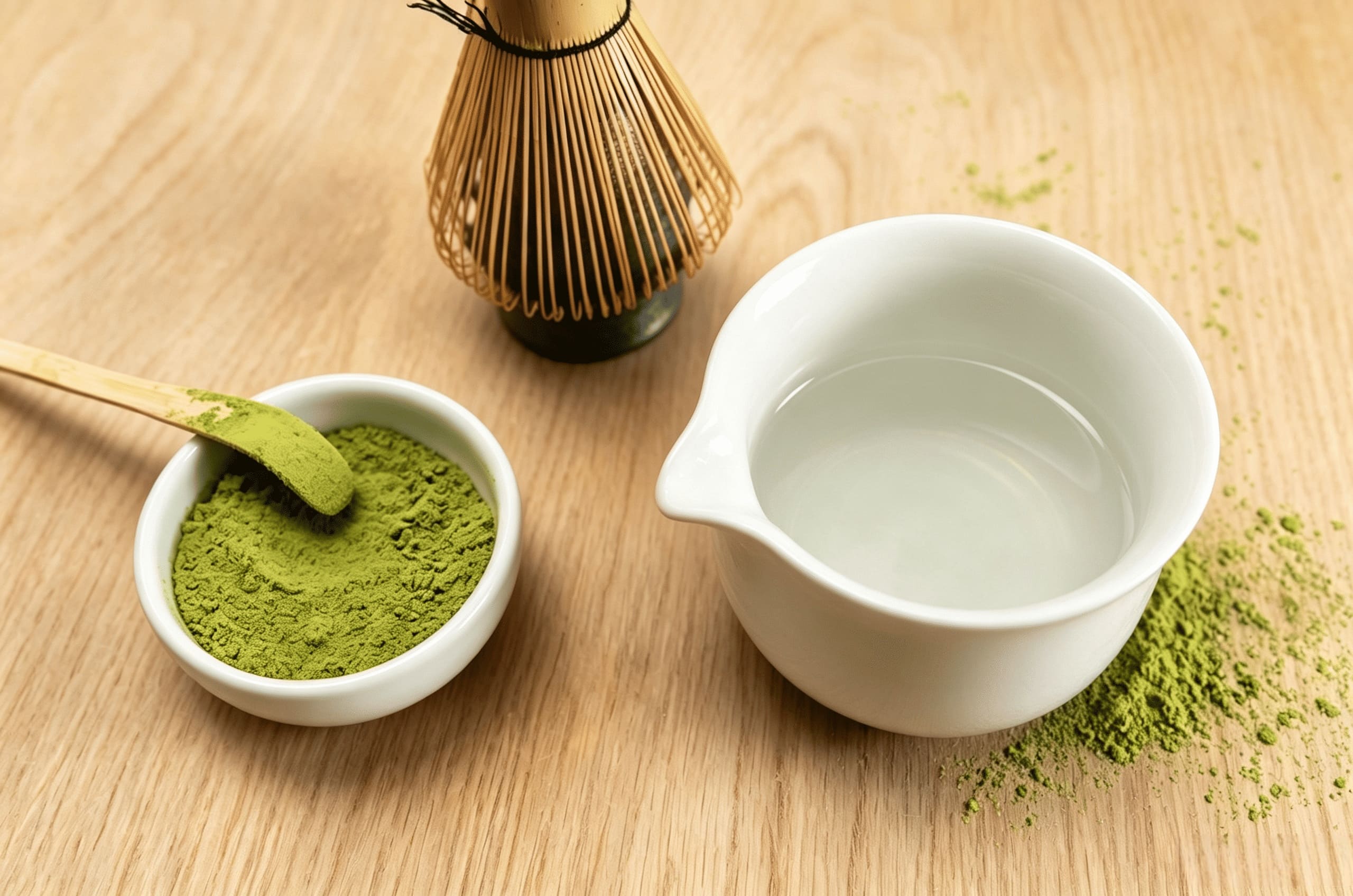
As a vertically integrated Chinese matcha raw material manufacturer, we have built our entire operation around this principle. Our production follows EU-aligned testing protocols, with every batch verified by independent third-party laboratories. We provide full test reports with every shipment—not as a formality, but as our promise. Whether you need ceremonial grade matcha for premium beverages, culinary matcha for baking and food manufacturing, or organic matcha green tea powder for clean-label supplements, you can trust that every batch meets the highest standards of safety and quality.
Contact us to request batch test reports and sample pack of premium matcha powder. See for yourself what rigorous quality assurance looks like.
#matcha quality testing #B2B matcha supplier #ceremonial grade matcha #culinary matcha #organic matcha green tea powder #bulk matcha powder
Leave a Reply