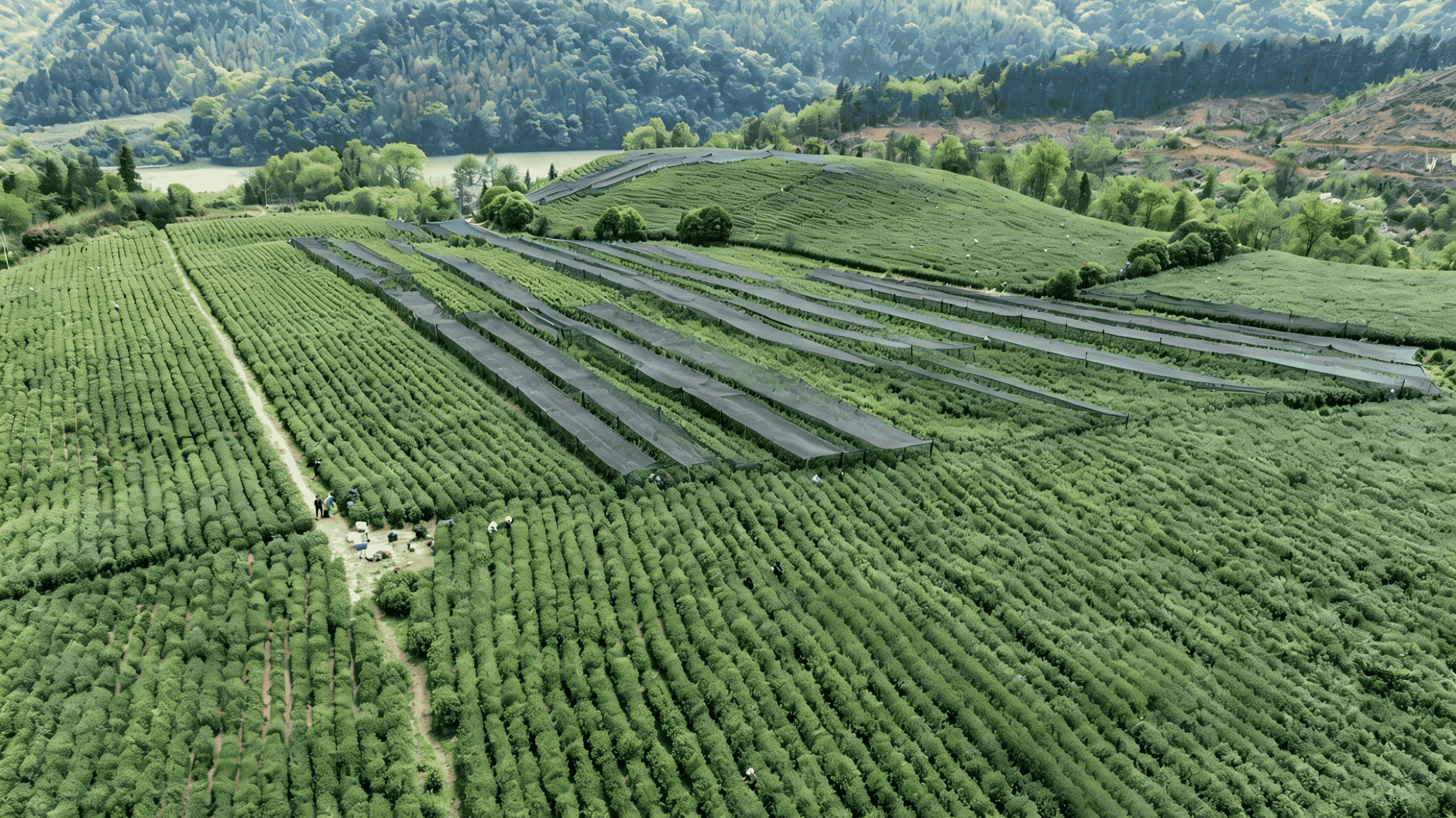
The global matcha market has shifted dramatically over the past two years. Japan, the traditional home of matcha, now faces serious production challenges. Climate change and an aging farmer population have crippled its capacity. Meanwhile, China has rapidly scaled up production. In 2025, China produced nearly 70% of the world’s matcha. This is not a temporary change. It is a structural transformation reshaping the global matcha powder supply chain.
For B2B buyers of matcha powder, bulk matcha powder, and organic matcha green tea powder, this new landscape demands attention. This guide explores how China achieved its position. It also explains what this means for global supply. Finally, it offers practical advice for navigating the new reality.
A Brief Note on the Japan Factor
Japan’s matcha production crisis is well documented. Record heatwaves in 2024 and 2025 reduced Kyoto tencha yields by about 25%. The number of Japan’s core tea farmers also dropped sharply. It fell from 25,043 in 2010 to just 11,644 in 2020. Today, the average grower is over 70 years old. Between 2005 and 2025, Japan’s tea cultivation area shrank from 49,000 hectares to 33,000 hectares. As a result, Japan cannot increase production to meet surging global demand.
These constraints have created a market gap. China has stepped in at scale to fill it. This guide focuses on that transformation. It examines why China has become the dominant global supplier of matcha powder.
China’s Matcha Production: A Regional Breakdown
China’s matcha industry is diverse. Production is concentrated in several key regions. Each region has distinct characteristics, advantages, and product specializations.
Zhejiang Province – Export Leader and Quality Pioneer
Zhejiang is China’s most established matcha powder region. It focuses on export markets and premium matcha tea quality. In 2025, the province produced 8,851 tons of matcha worth 1.1 billion yuan ($162.48 million). In Q1 2026 alone, Zhejiang exported 1,242 tons of matcha valued at 140 million yuan. This represents a staggering 7.3-fold year-on-year increase. The province has four major production areas: Hangzhou, Shaoxing, Jinhua and Ningbo.
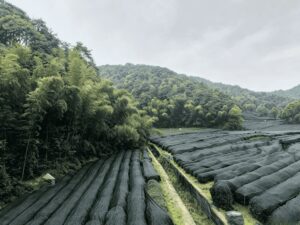
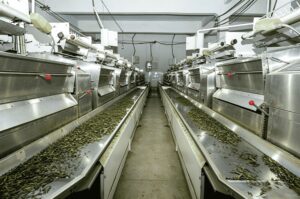
Zhejiang’s matcha is known for its bright green color and umami flavor. These qualities make it ideal for premium matcha tea and beverages. One producer reported that its 2025 matcha output exceeded 1,000 tons. Revenue and export volume both grew over 80% year-on-year. Customer lead times have stretched to 2–3 months due to overwhelming demand.
Guizhou Province – Volume Champion
Guizhou has become China’s largest matcha producer by volume. It accounts for about half of the national market. Tongren city alone produced 2,500 tons of matcha in 2025. Its exports reached 1,300 tons—up threefold year-on-year. Guizhou matcha now reaches 54 countries and regions.
Guizhou’s natural conditions are ideal for tea cultivation. High altitude, low latitude, abundant fog and limited sunlight provide perfect growing conditions. In 2026, the province released the Fanjing Matcha group standards. These standards set new benchmarks. Multiple indicators exceed provincial and national requirements. The standards also mandate shade coverage as a compulsory prerequisite for matcha production. This ensures true matcha is distinguished from green tea powder.
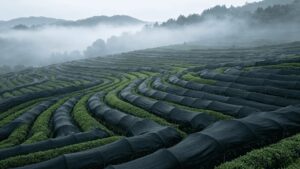
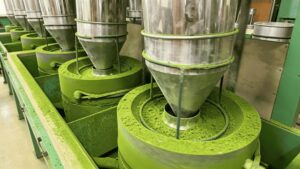
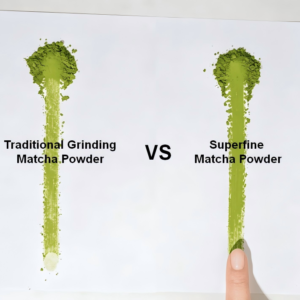
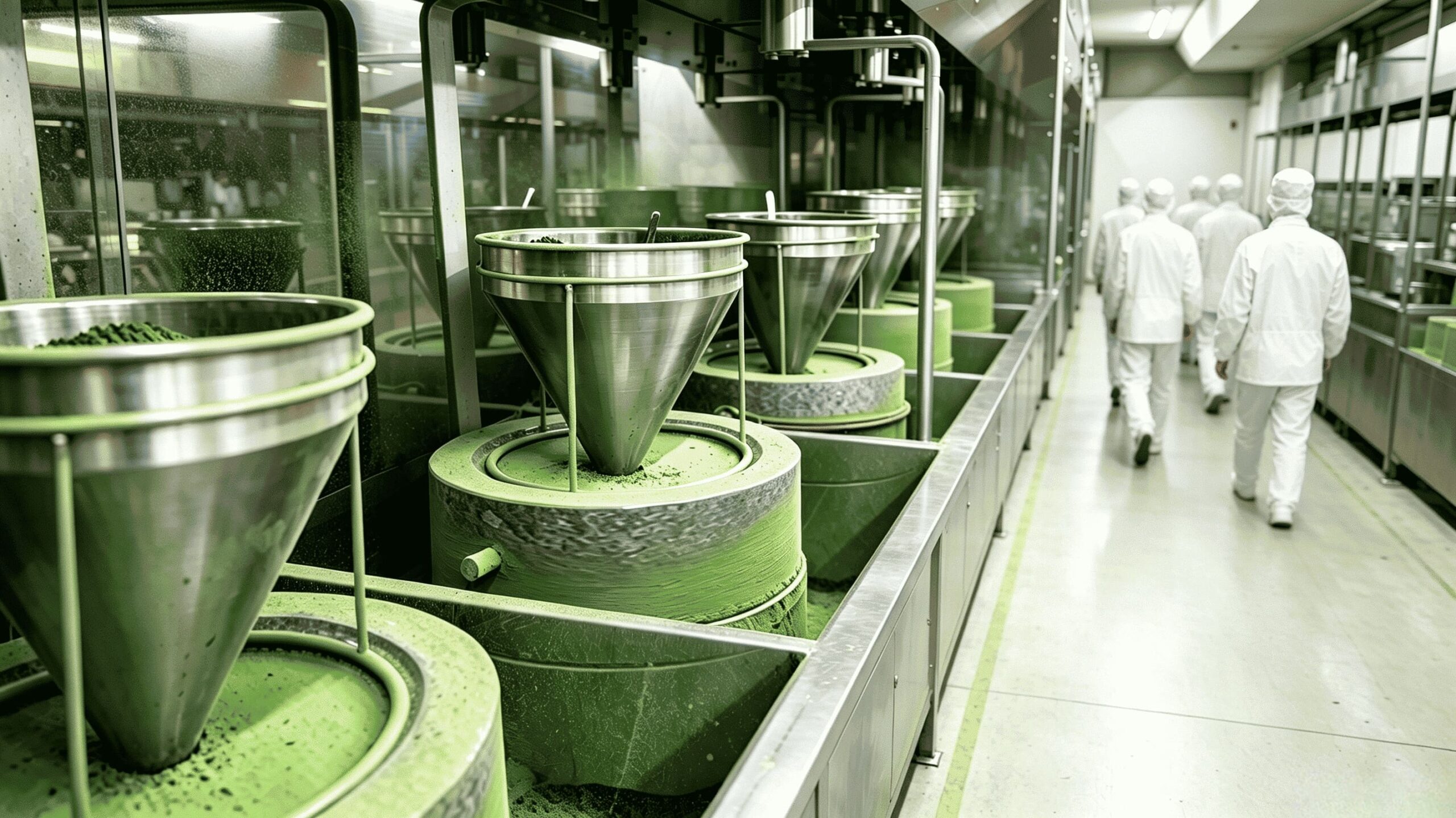
By late April 2026, Gui Tea Group had already produced and sold 1,100 tons of matcha powder. Production orders now extend into the second half of the year. The company has expanded its grinding lines to 10. It now achieves fineness of 1,200 to 1,500 mesh. This far exceeds typical industry standards. For context, this is less than one-tenth the particle size of milk powder. The result is a remarkably smooth mouthfeel and rapid dissolution in liquids.
Guizhou’s tea industry also maintains rigorous safety standards. It has passed Ministry of Agriculture inspections for 14 consecutive years with a 100% pass rate. The province maintains 7 million mu of ecological tea gardens. That is approximately 467,000 hectares with comprehensive green control measures.
Shaanxi Province – Organic and Export-Focused
Shaanxi, particularly Ankang city, specializes in organic matcha. Its high-altitude, pollution-free environment is ideal for production. The region also has a long tea cultivation history dating back to the Western Han Dynasty. This provides a strong foundation for premium organic matcha green tea powder.
Ankang’s tea industry has grown rapidly in recent years. The Xihe Matcha Industrial Park integrates planting, processing, sales and tourism. The park has partnered with Zhejiang tea enterprises to produce high-end matcha products. The region’s matcha is known for its bright, emerald-green liquor, fresh aroma, and long-lasting sweet aftertaste.
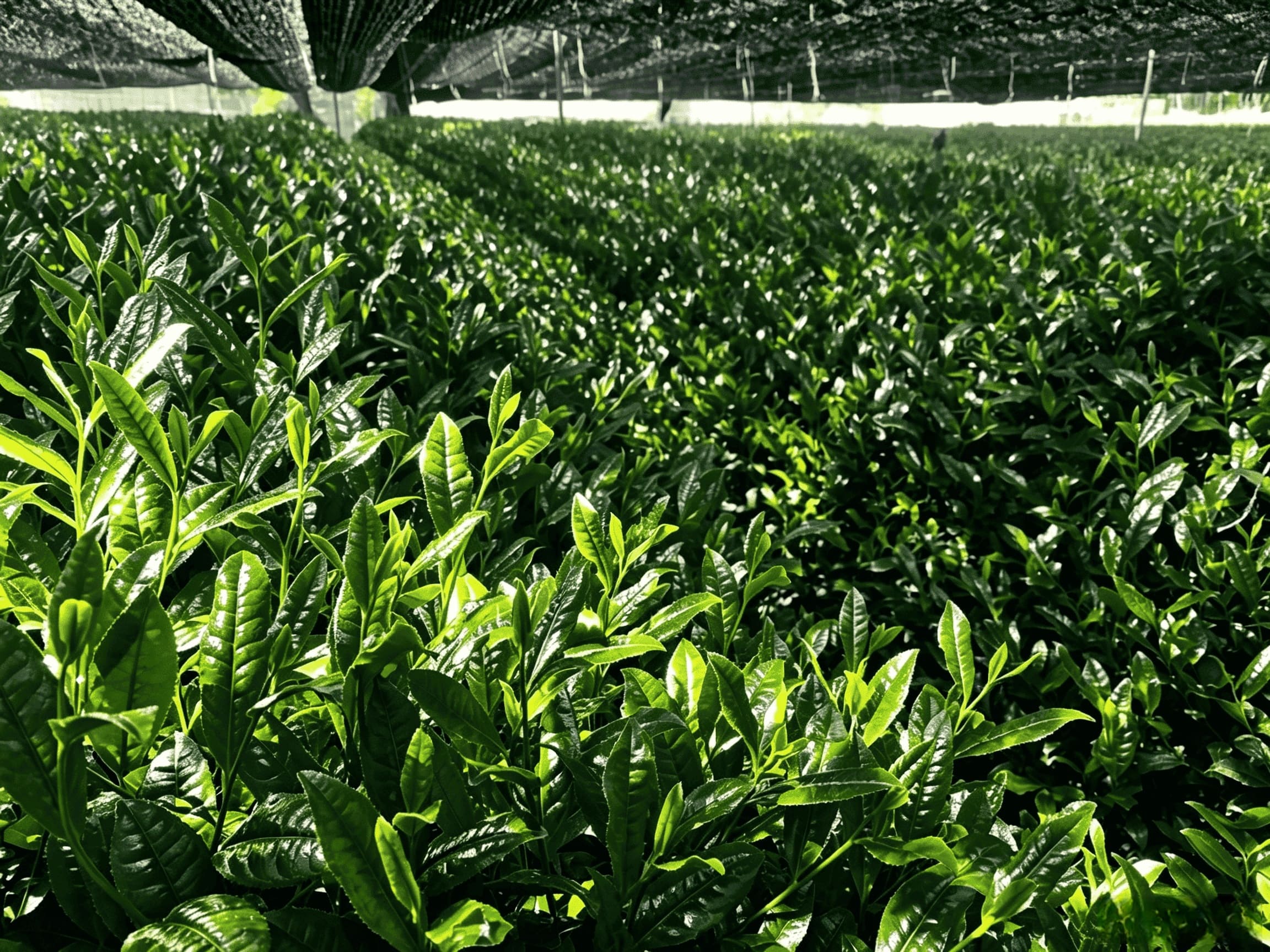
Ankang is also a significant exporter. Its tea reaches Uzbekistan, the United States, Ghana and Algeria. The region focuses on organic cultivation and international certification. This makes it attractive to buyers seeking pure matcha powder for clean-label applications.
Yunnan Province – Emerging Player with Agricultural Strength
Yunnan is China’s largest tea-producing province. It has entered the matcha market with strong agricultural infrastructure. The province developed the Yun Cha No. 1 cultivar specifically for premium green tea. It has good cold and drought tolerance.
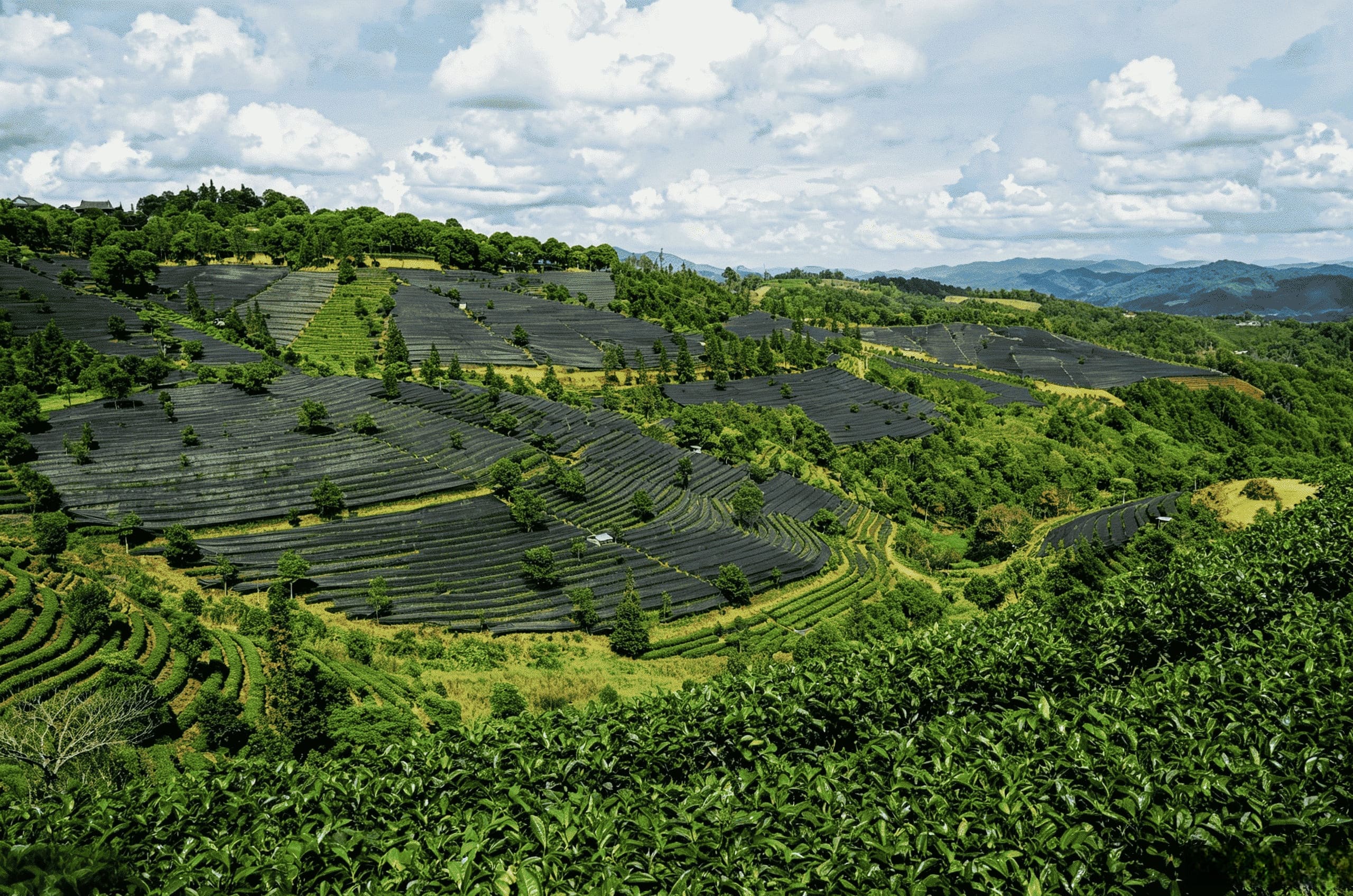
Yunnan’s location offers logistics advantages. It sits near major export routes through Southeast Asia and Myanmar. These routes provide convenient access to international markets. The province’s tropical and subtropical climates allow for early spring harvests. This could give Yunnan matcha a time-to-market advantage over producers in cooler regions.
Other Regional Producers
Several other provinces are developing matcha capacity. Sichuan Province has seen strong growth of over 20% annually. Guangxi Province has large tea volumes and is building its processing industry. Hunan and Hubei provinces are also expanding their matcha powder production.
Technology and Innovation: Closing the Quality Gap
China’s rise is not just about volume. It is also about quality. The industry has made significant technological advances in recent years.
Particle Size Control. Chinese producers now achieve fineness of 800 to 1,500 mesh. This far exceeds traditional stone-grinding capabilities. The fine particle size improves dissolution and mouthfeel. It also enables more rapid flavor release. These factors are critical for both beverages and food manufacturing.
Production Standards. The 2026 Fanjing Matcha standards represent a major step forward. They go beyond existing national requirements. The standards mandate shade coverage as a compulsory prerequisite. This ensures true matcha is distinguished from green tea powder. The standards also set strict limits on particle size, moisture, color, and contaminants.
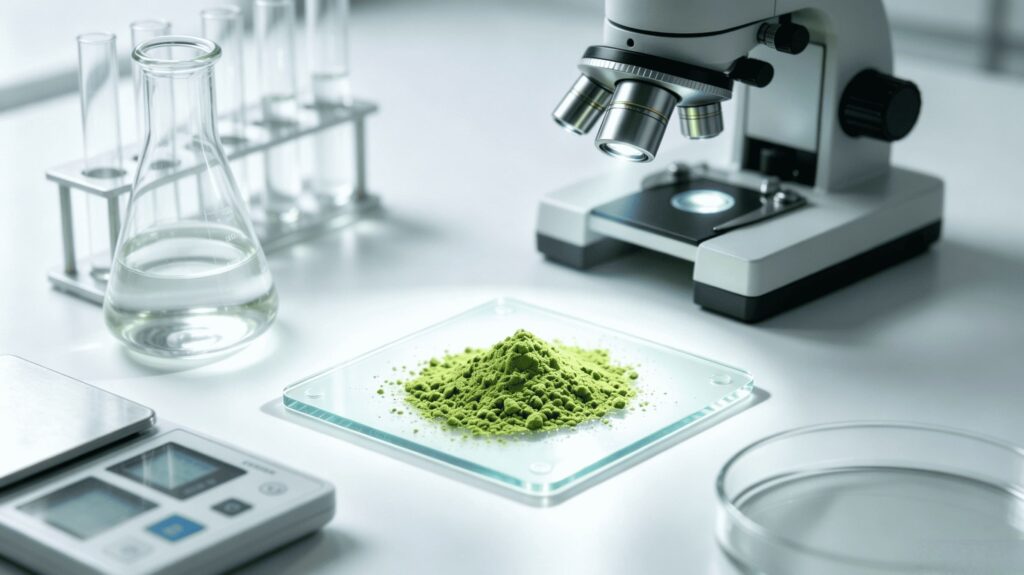
Scale and Efficiency. China’s large-scale production ensures consistent quality. Japan’s fragmented, small-plot farms cannot match this. A single Chinese factory can process 40 tons of raw leaves daily. Multiple intelligent grinding lines run in parallel. This scale ensures batch-to-batch consistency and reliable delivery schedules. These are essential for B2B buyers who need predictable bulk matcha powder supply.
Clean and Safe Production. China has invested heavily in food safety. Guizhou tea has passed Ministry of Agriculture inspections for 14 consecutive years. The pass rate is 100%. Producers now adopt integrated pest management and biological controls. Strict residue testing meets international export requirements.
What This Means for B2B Buyers
China’s rise offers both opportunities and challenges for commercial buyers of matcha powder.
Supply Stability. China’s large-scale capacity offers supply stability. Japan can no longer provide this. Japanese orders are booked through 2028. Capacity there meets only 50% of current demand. Buyers who rely solely on Japanese supply face significant risk. Chinese producers offer more reliable availability.
Quality Consistency. China has invested heavily in standards and technology. Quality is no longer the differentiator it once was. The best matcha powder from China now meets or exceeds international standards. This applies to color, taste, particle size, and safety.
Competitive Pricing. China’s scale economies enable attractive pricing. This is particularly true for culinary matcha and bulk matcha powder. Cost efficiency matters in these applications. Buyers seeking wholesale matcha powder for cafes and bakeries will find compelling value.
Diverse Grade Options. Chinese producers now offer all grades. These range from ceremonial grade matcha for premium applications to culinary matcha for baking. Buyers can source everything from a single supplier. This simplifies procurement and supply chain management.
How to Choose the Right Chinese Matcha Supplier
Not all Chinese suppliers are equal. Buyers should evaluate potential partners across several dimensions.
1. Production Capability. Look for established tea gardens and modern facilities. Ask about annual volume, processing capacity, and lead times.
2. Quality Systems. Verify rigorous quality control. Look for in-house testing for particle size, moisture, color, and contaminants. Request third-party reports and certifications.
3. Traceability. The best suppliers trace each batch to the specific tea garden. They provide details on shading, harvesting, and processing.
4. Transparency. Trustworthy suppliers share realistic lead times and honest capacity information. They provide clear matcha powder manufacturer direct price quotes. They also offer samples before you commit to large orders.
5. Communication and Support. Choose responsive suppliers. They should provide technical guidance and work with you on custom specifications.
For detailed information on China’s matcha export standards, certification systems, and the dedicated 13-digit HS code, please refer to our companion article Matcha‘s New Export Logic: From Low-Cost Volume to Standards-First. That article provides an in-depth interpretation of the 500+ test requirements, the pathways to obtaining four organic certifications, and what the June 2026 matcha-specific HS code means for B2B buyers in practice.
Why Choose Us
As a trusted matcha powder manufacturer direct, we offer reliability and transparency. Our production facilities are in China’s premier tea-growing regions. We combine traditional knowledge with modern technology. The result is consistent, high-quality matcha powder.
Whether you need ceremonial grade matcha, culinary matcha, bulk matcha powder, or organic matcha green tea powder—we can deliver. Contact us today to request a sample pack of premium matcha powder. Experience the quality difference firsthand.
#bulk matcha powder #organic matcha green tea powder #ceremonial grade matcha #culinary matcha #matcha powder manufacturer direct #pure matcha powder
Leave a Reply