For anyone who uses matcha powder, that vivid jade green is the most immediate sign of quality. It tells you that you’re holding a premium matcha tea with authentic flavor and high antioxidant content. Yet this green is also the most fragile—from the moment it leaves the grinder, matcha powder begins a constant battle against light, oxygen, moisture, and heat.
Whether you’re a home enthusiast, a café owner, or a food manufacturer buying bulk matcha powder for production, keeping your product fresh through storage and transport is essential. This guide explains the science behind color loss and gives you practical, proven storage advice—so you can enjoy the best matcha powder every time you open the bag.
Why Does Matcha Powder Change Color? The Four Enemies
Matcha’s emerald hue comes from chlorophyll. The magnesium ion at the center of the chlorophyll molecule is easily displaced, turning the pigment into dull brown pheophytin—causing yellowing, browning, or a grayish cast. Four factors drive this process:
1. Light – Chlorophyll breaks down rapidly under light, even under standard retail lighting. That’s why light-proof packaging is the first rule for any pure matcha powder.
2. Oxygen – Ultra-fine grinding gives matcha an enormous surface area. Oxygen slowly oxidises chlorophyll and polyphenols, turning green to brown and flattening that fresh, grassy aroma into a stale, hay-like note. This is why high-quality matcha powder always comes in oxygen-barrier bags.
3. Moisture – Moisture causes clumping and provides a medium for chemical reactions, accelerating both color and flavor loss. Keeping your matcha powder dry is non-negotiable.
4. Heat – Every 10°C rise roughly doubles the oxidation rate. Baking temperatures above 160°C can destroy chlorophyll almost instantly—which is why culinary grade matcha is often preferred for baked goods.These enemies act together, so effective storage must block multiple pathways at once.
Best Practices for Storing Matcha Powder
Packaging – Airtight, Opaque, Moisture-Proof
To store matcha powder for freshness, you need three things
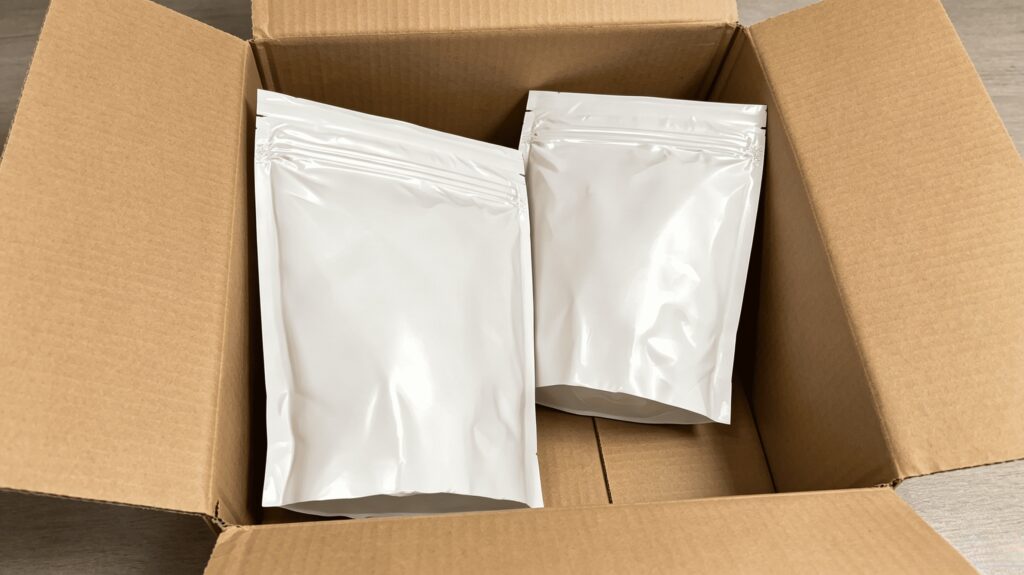
Airtight: Use high-barrier aluminium foil bags with oxygen absorbers or nitrogen flushing.
Opaque: Foil layers block all light—far safer than clear containers.
Moisture-proof: Seal tightly after each use and always use a dry spoon.
For those buying bulk matcha powder, keep the product in its original foil inner bag inside the outer carton until you’re ready to use it.
Temperature Management
Short-term (≤3 months) – Keep in a cool, dark place at 18–25°C.
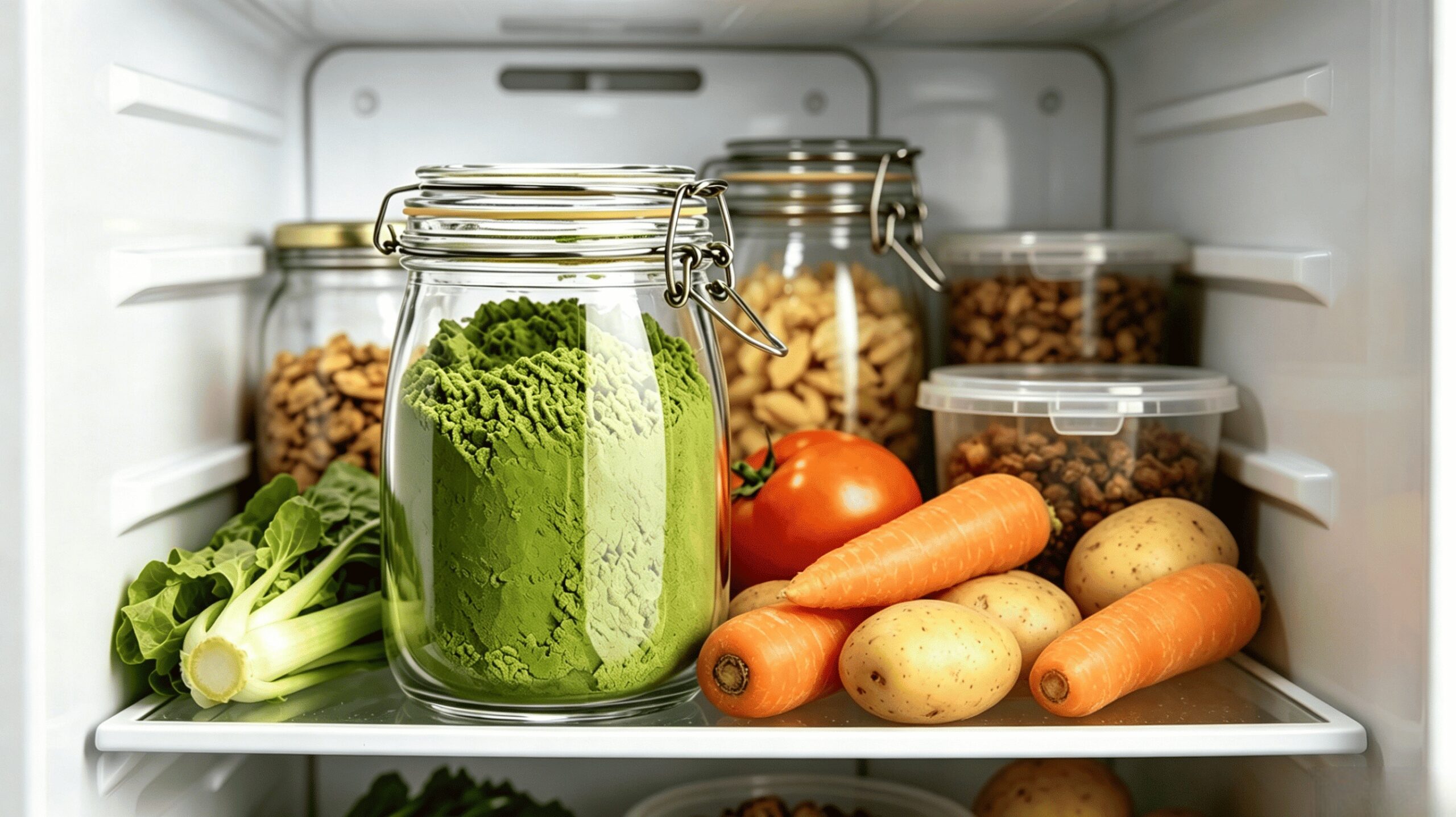
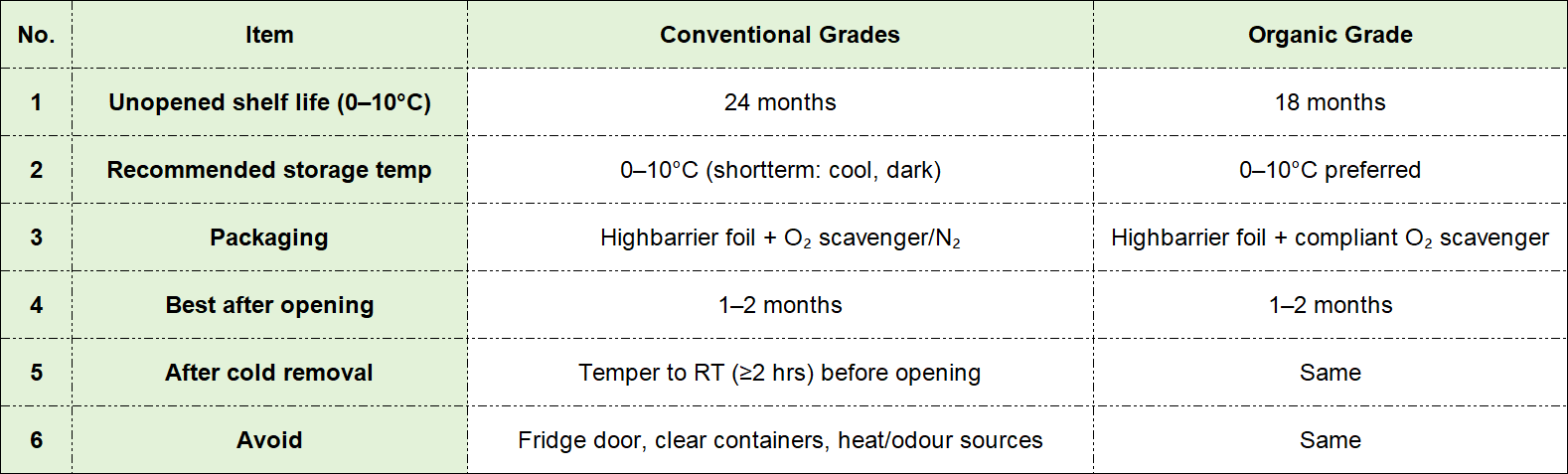
Long-term (≥6 months) – Refrigerate at 0–10°C with the package tightly sealed.
Freezing (-18°C) – Extends freshness further, but tempering is critical.
Critical step: Whether refrigerated or frozen, allow the sealed package to warm to room temperature for at least 2 hours before opening. Otherwise, moisture condenses on the cold powder, causing clumping and irreversible quality loss. This is one of the most common mistakes people make when storing matcha powder.
Portioning and Usage
Once you open a large bag (e.g., 1kg or 5kg), divide it into smaller portions immediately. Keep most of your stock refrigerated and only take out a week’s supply for daily use—this minimises repeated exposure of the main batch.
Shelf Life After Opening
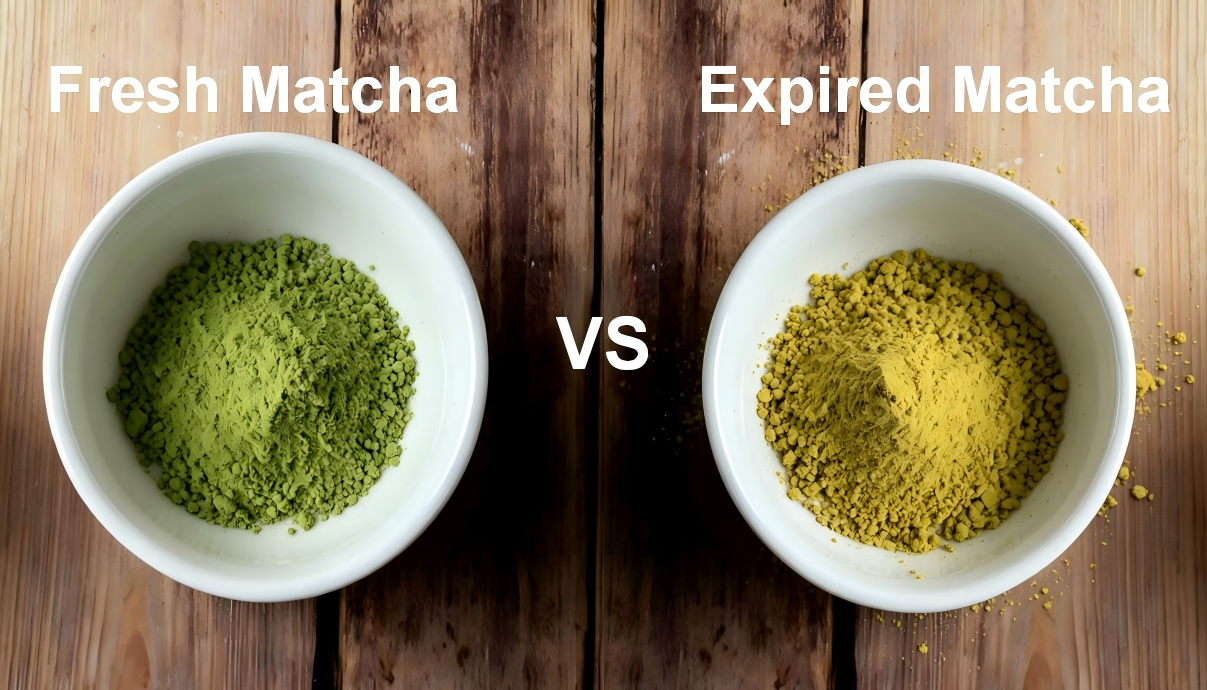
All stated shelf lives apply only to unopened packages stored under recommended conditions. Once opened, even if resealed and refrigerated, the best-quality window shortens to 1–2 months. So does matcha powder expire or go bad? Yes—it doesn’t spoil like milk, but it loses its vibrant color and flavor. Plan your usage accordingly.
Odour Isolation
Matcha powder easily absorbs strong smells. Never store it near spices, coffee beans, or any strongly scented items.
Shelf Life Data for Different Grades
As a dedicated matcha powder manufacturer, we have conducted accelerated aging tests on our full product line under recommended storage (aluminium-sealed, 0–10°C). For unopened packages
| Grade | Unopened Shelf Life |
| Conventional (ceremonial grade matcha, culinary matcha, industrial) | 24 months (2 years) |
| Organic matcha green tea powder | 18 months |
This difference does not reflect quality—it stems from organic certification restrictions on certain processing aids and oxygen scavengers. We accept a shorter shelf life to maintain uncompromised purity. Whether you’re looking for the best matcha powder for morning focus or a reliable culinary grade for baking, we provide tailored storage guidance for every grade.
Stability Tips for Industrial Applications
When you use matcha powder as an ingredient, stability challenges multiply. Here are proven strategies
Ready-to-Drink Beverages (e.g., Matcha Latte)
Issues: Fat separation, sedimentation, browning.
Solutions: Use compound stabilisers; add natural color-retention agents like vitamin C or yeast extract; apply homogenisation and use light-blocking packaging.
Baked Goods
Issues: High heat destroys chlorophyll.
Recommendations: Choose culinary grade matcha (better heat tolerance); lower baking temperature and extend time; add natural antioxidants; use foil-based packaging.
Factory & Warehouse Best Practices
Use low-temperature drying to reduce thermal damage.
Flush packaging lines with nitrogen to keep residual O₂ below 1%.
Set incoming chlorophyll standards for raw leaves.
Invest in intelligent temperature- and humidity-controlled warehouses.
Frequently Asked Questions About Matcha Storage
1. How much matcha powder should I use per cup?
A standard serving is 1–2 grams (about ½ to 1 teaspoon) per 8 oz of water or milk. For a stronger flavor, you can increase to 2.5 grams.
2. Can I drink matcha powder with water only?
Absolutely. Traditional matcha is whisked with hot water—no milk or sweetener needed. This is the purest way to enjoy its umami and health benefits.
3. Does matcha powder go bad after the expiry date?
It doesn’t become unsafe, but the color will fade, and the flavor will become dull and bitter. For the best experience, always use within the recommended shelf life and store it properly.
4. Is there a big difference between ceremonial grade vs culinary grade matcha powder?
Yes. Ceremonial grade is brighter, smoother, and meant for drinking plain. Culinary grade is slightly more bitter but stands up well to heat and strong flavors in baking and cooking.
Quick Storage Checklist for Factories & Brands
Conclusion
The journey of matcha quality begins in the field and is refined through precision milling, but the final step—delivering it in perfect condition to your cup or your customers—depends entirely on how you store and handle it. Understanding the four enemies (light, oxygen, moisture, and heat) and blocking them systematically is the key to extending your matcha’s effective lifespan.
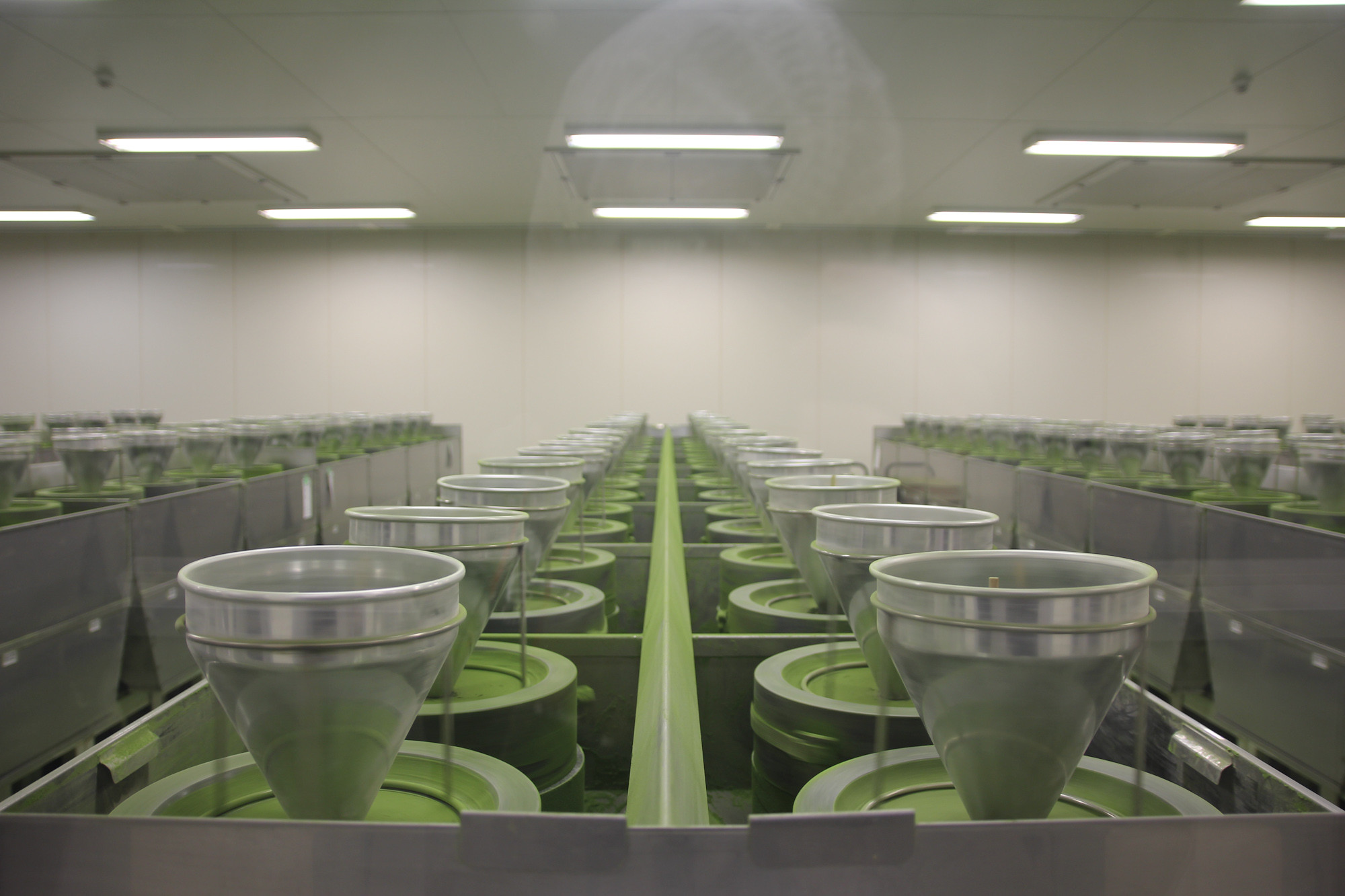
As a manufacturer dedicated solely to matcha powder, we offer a full range of grades—from ceremonial grade matcha for traditional tea ceremonies to culinary matcha for baking and bulk matcha powder for industrial use. We also share our hands-on experience in stability testing and storage management. Whether you’re a home user searching for the best organic matcha powder or a café owner looking for wholesale matcha powder for cafes, we can match you with the right grade and provide tailored usage advice. Let that vibrant green remain alive, longer.
#matcha powder #ceremonial grade matcha #culinary matcha #how to store matcha powder #ceremonial vs culinary matcha #bulk matcha powder
Leave a Reply