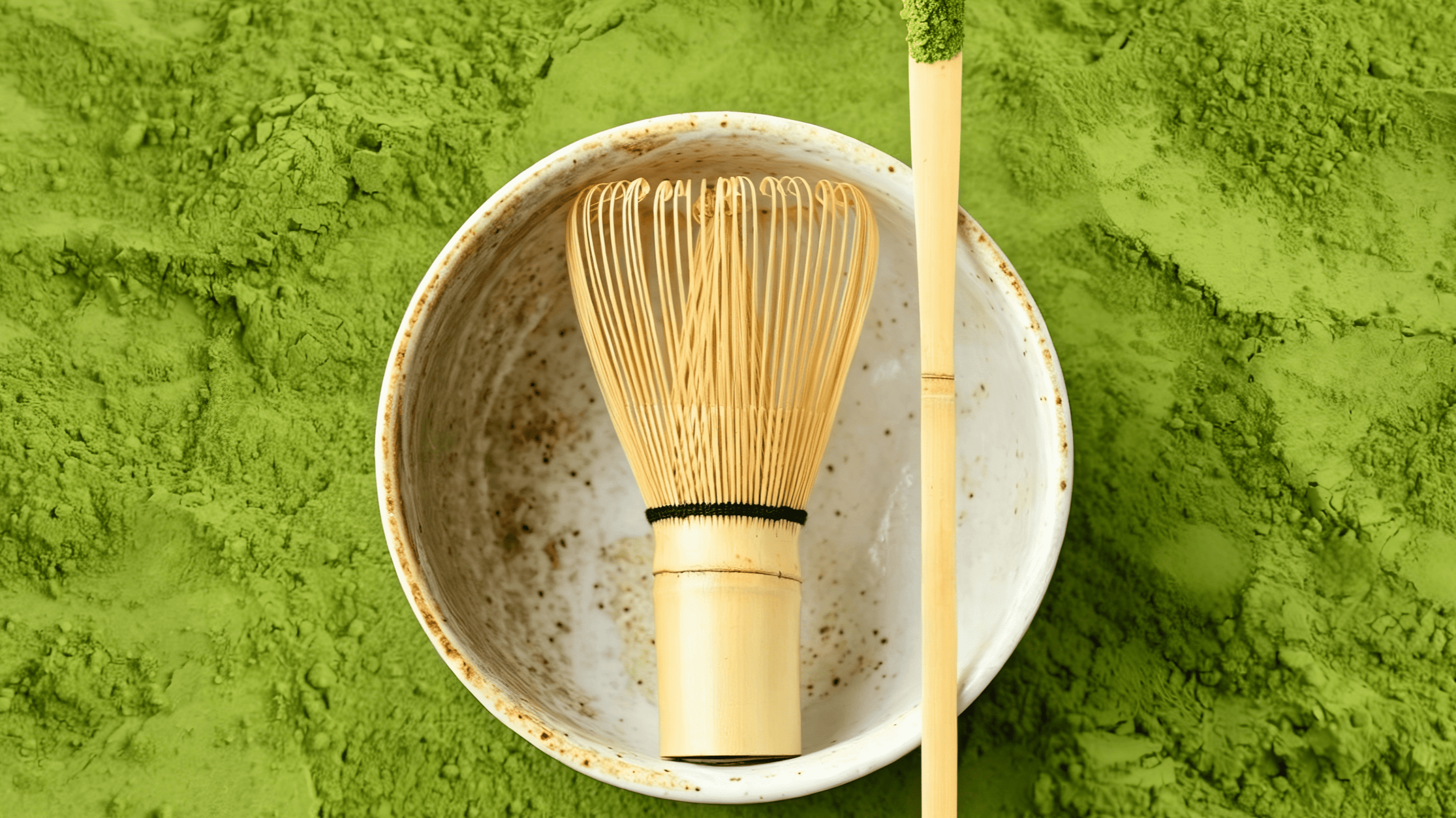
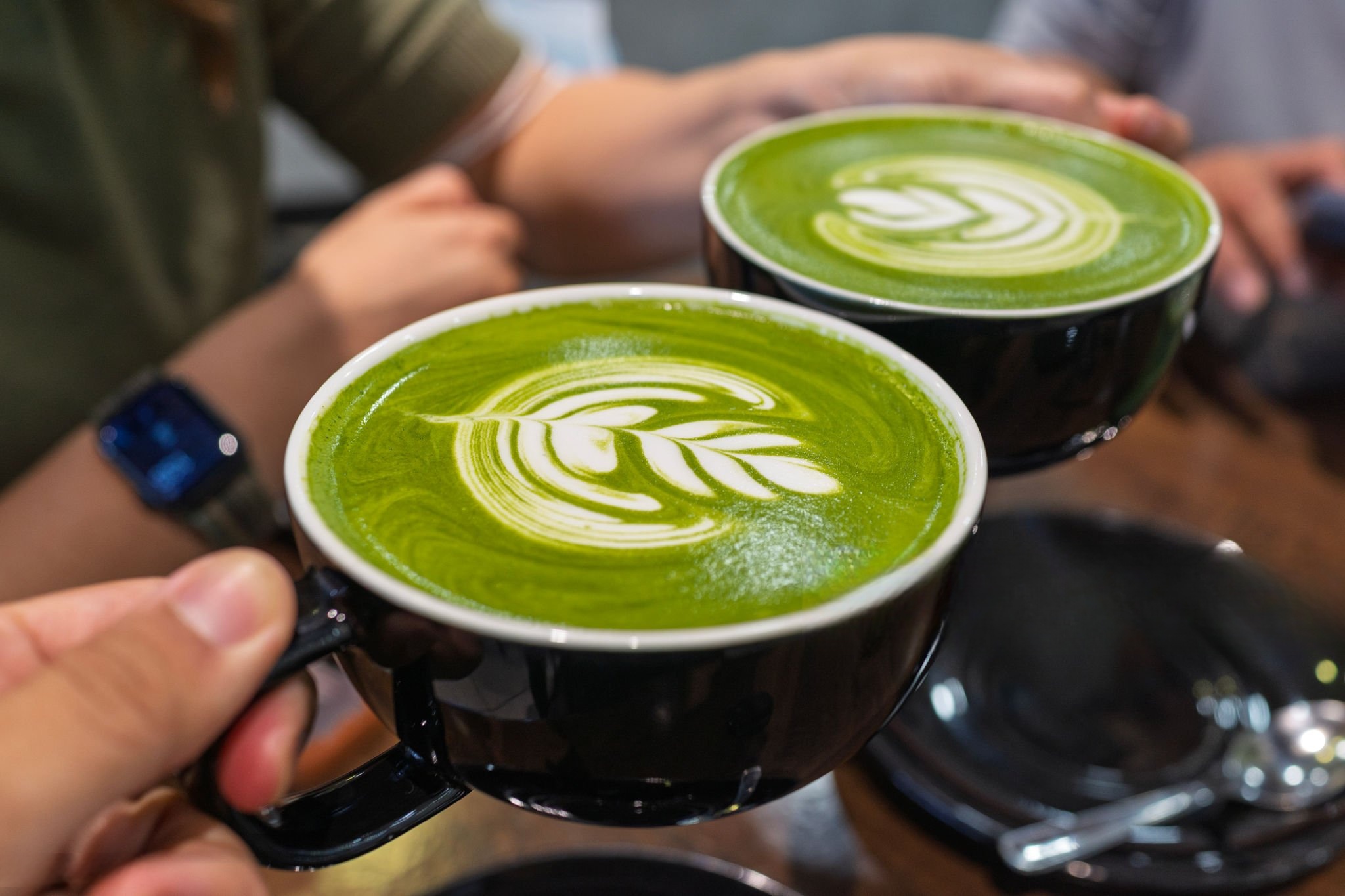
Matcha lattes are now a staple on café menus worldwide. But as global demand for matcha powder surges, an alarming trend has emerged: counterfeit and adulterated matcha green tea powders are flooding the market.
Whether you’re sourcing bulk matcha powder for your café, bakery, or food brand, or simply looking for pure matcha powder for personal use, knowing how to identify high-quality matcha powder is essential. It‘s not just about product quality — it directly impacts your brand reputation and customer experience.
This guide provides a complete framework for identifying genuine premium matcha tea, covering color, aroma, taste, texture, packaging, and lab reports.
What Exactly Is Real Matcha?
Before you can spot a fake, you need to understand what makes matcha matcha.
Authentic matcha powder must meet three core requirements: shade-grown cultivation, steam fixation, and stone-grinding (or low-temperature specialized milling). Missing any one of these, and it cannot be called matcha.
Organic matcha green tea powder plants undergo 20 to 30 days of shade covering before harvest. This shading increases chlorophyll and boosts amino acids (adding sweetness and umami) while reducing catechins (which cause bitterness). The result is a naturally sweet, savory flavor with a distinctive nori (seaweed) aroma.

After harvesting, the leaves are steam-processed on the same day to lock in vibrant color. Stems and veins are removed, leaving only the leaf flesh to become “tencha,” which is then ground into an ultra-fine green tea powder using low-temperature grinding.
By contrast, regular green tea powder comes from plants grown in full sunlight, resulting in higher bitterness. It‘s processed with high-speed mechanical grinding, producing coarse particles that sink quickly in water. This is one of the key differences when you learn how to identify high-quality matcha powder.
The Four-Step Method: Look, Smell, Taste, Test
Step 1: Look at the Color
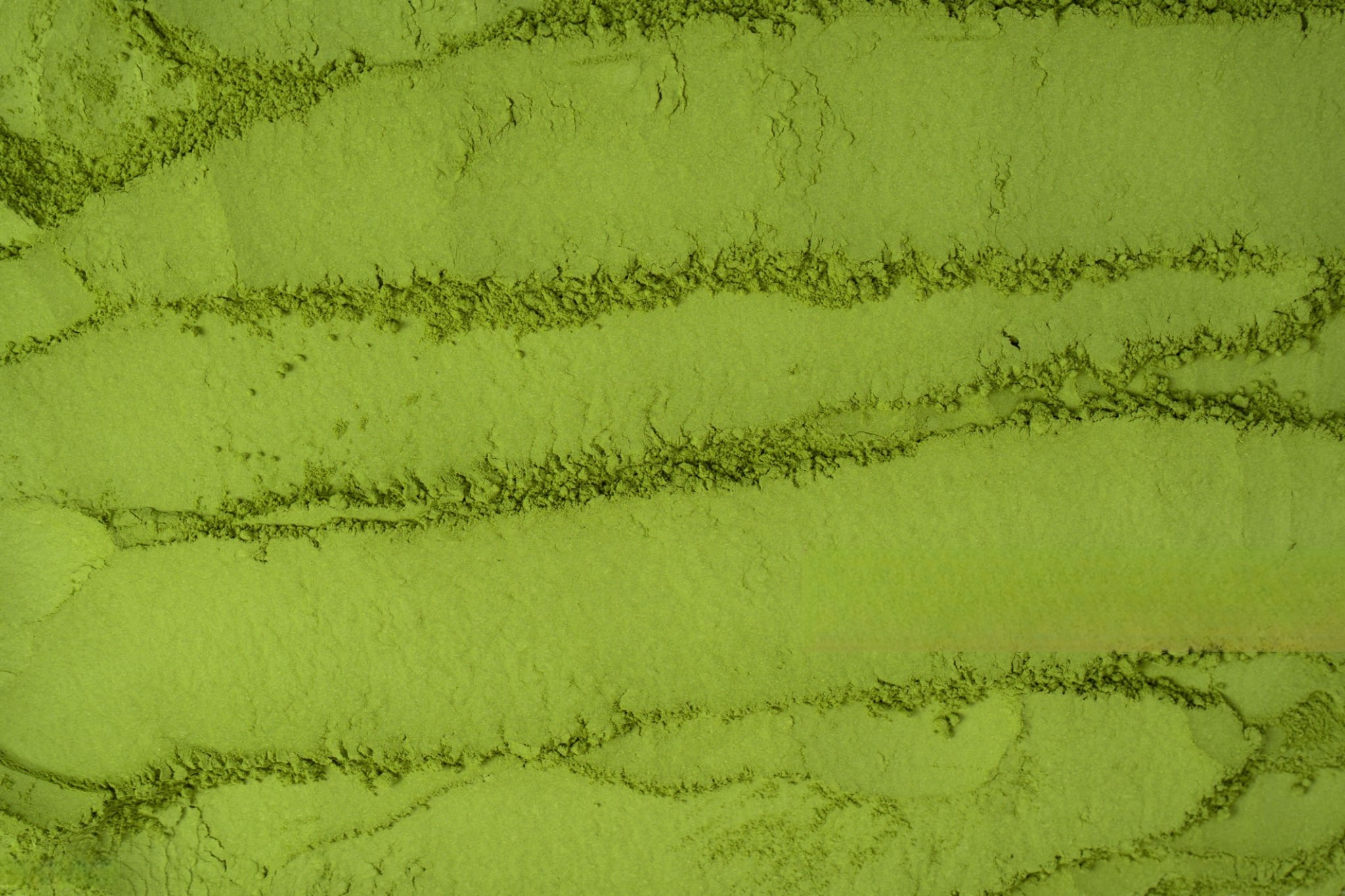
High-quality matcha powder displays a vivid, bright green or deep emerald hue, uniform and glossy. When poured onto white paper, premium matcha tea appears fresh and vibrant with no discolored spots.
Low-quality or fake matcha appears dull, yellowish-green, or brownish. If the color looks unnaturally bright, it may have been artificially dyed — a clear sign it‘s not pure matcha powder.
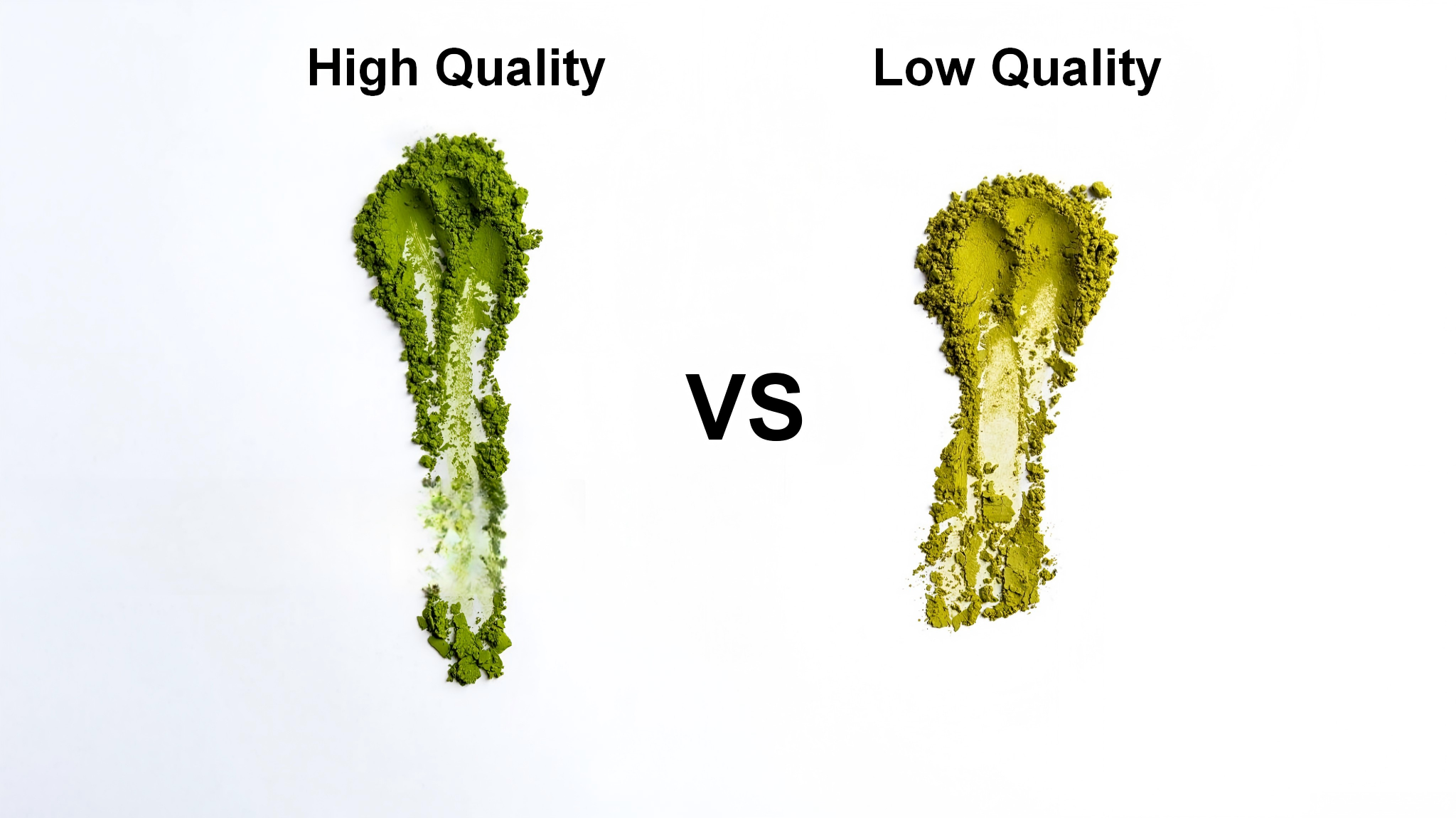
Pro tip: Color is a quick initial screening tool — greener generally means higher grade. This is especially useful when comparing ceremonial grade vs culinary grade matcha powder, as ceremonial grade tends to be significantly brighter.
Step 2: Smell the Aroma
Premium matcha powder releases a fresh, layered aroma with top notes of fresh tea leaf and roasted bean, plus subtle nori (seaweed) undertones.
Low-quality or adulterated matcha often has weak aroma, sharp artificial fragrance, burnt notes, or grassy odors — signs of poor raw materials or improper processing.
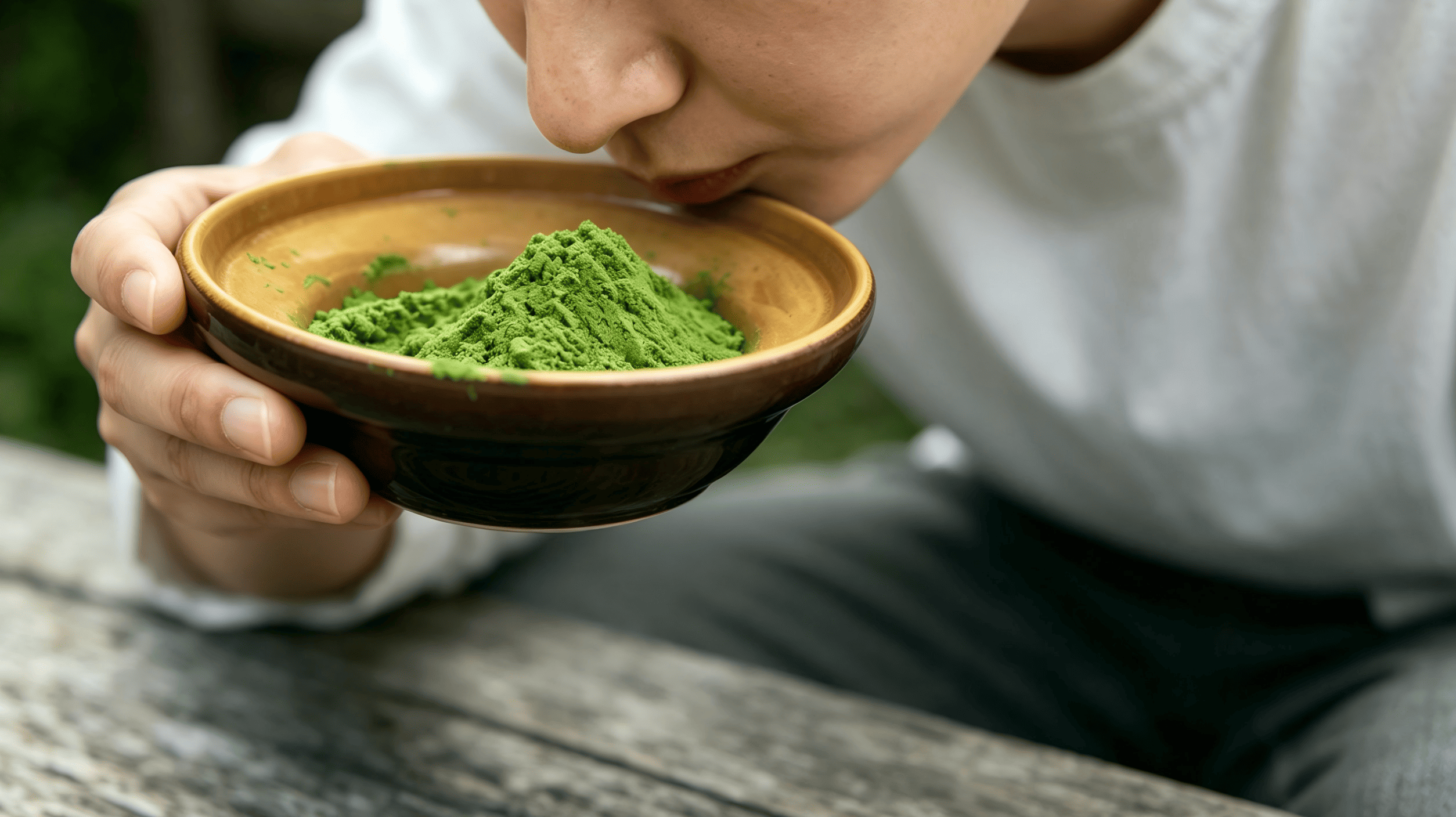
Pro tip: Real matcha should remind you of fresh seaweed or steamed greens — clean and slightly sweet, never artificial or burnt.
Step 3: Taste the Flavor
This is the most critical step.
Ceremonial grade matcha delivers pronounced umami (savory taste), smooth and full-bodied, with very little bitterness and a sweet finish. Try a quick dry taste test — quality matcha dissolves quickly, releasing umami without grittiness.
Low-quality matcha or green tea powder tastes distinctly bitter and astringent — like chewing tea leaves.
Pro tip: The polyphenol-to-amino-acid ratio is key — lower ratios mean more umami and less bitterness. This is a core indicator of how to identify high-quality matcha powder.
Step 4: Test Texture and Whisking
Texture test: Rub powder between your fingers. Premium matcha powder reaches over 1000 mesh — fine as talc with no grittiness. Regular green tea powder is only 100 to 300 mesh — coarse and sandy.
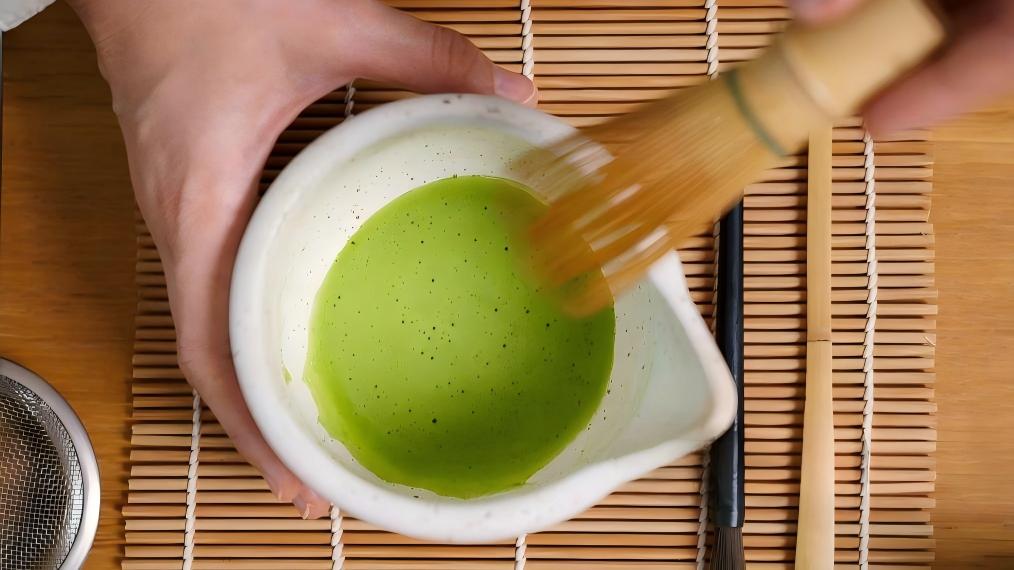
Whisking test: Whisk with a bamboo whisk or frother. High-quality matcha powder produces rich, fine foam that doesn‘t dissipate quickly, suspends evenly, and yields clear liquor. Low-quality matcha produces thin foam that disappears fast, sinks rapidly, and yields cloudy liquor.
Common “Fake Matcha” Traps to Avoid
Trap 1: Green Tea Powder Masquerading as Matcha
Unscrupulous sellers take ordinary green tea powder and label it “matcha powder.” These powders come from non-shaded plants, taste bitter, and offer fewer health benefits.
Trap 2: Origin Fraud
Some sellers ship ordinary green tea powder to Japan for repackaging and sell it at a premium as “Product of Japan.” While Japan‘s Uji and Shizuoka are renowned regions, China (e.g., Guizhou Tongren, Zhejiang Wuyi), South Korea, and other regions also produce high-quality matcha — including organic matcha green tea powder — when proper standards are followed. Focus on quality indicators, not origin labels alone.
Trap 3: Added Fillers
Some low-quality powders are adulterated with mulberry leaf powder, barley grass powder, maltodextrin, or sugar — diluting nutrition, flavor, and color. Always seek pure matcha powder with no additives.
Trap 4: Non-Stone Grinding
High-speed grinding generates heat that damages color, aroma, and nutrients. True matcha grinding must be temperature-controlled to produce premium matcha tea.
Extra Advice for B2B Buyers
If you‘re sourcing bulk matcha powder for commercial use:
Request lab reports: Suppliers should provide COA (Certificate of Analysis) with particle size, chlorophyll content, polyphenol-to-amino-acid ratio, and pesticide residue tests.
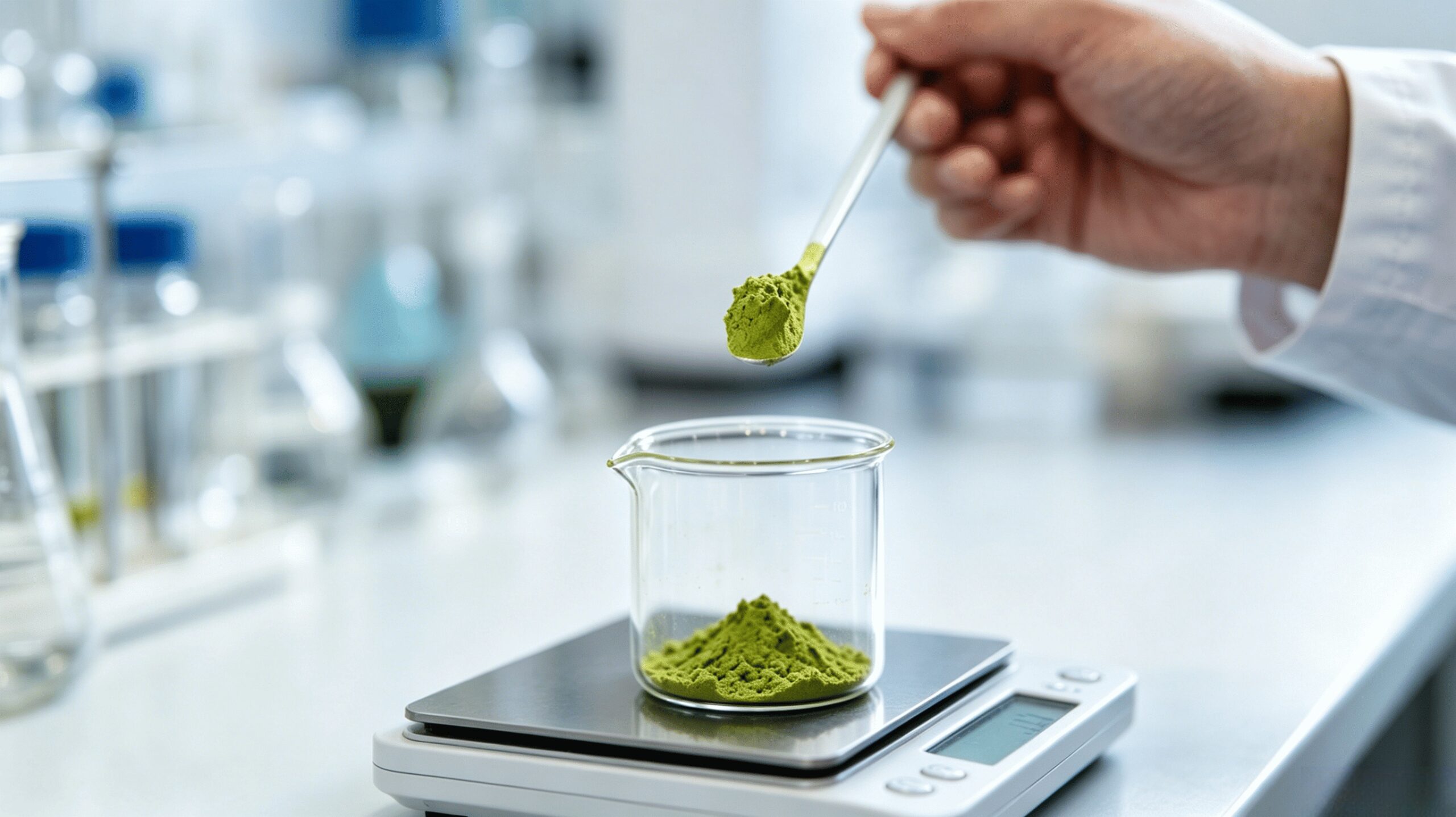
Insist on samples: Always verify quality using the four-step method before placing wholesale orders.
Distinguish peak freshness from shelf life: Peak freshness is around 6 months unopened; once opened, use within 1–2 months. Commercial shelf life varies — ceremonial, culinary, and industrial grades may carry 24 months, while organic matcha green tea powder often carries 18 months.
Match price to quality: Know the difference between ceremonial grade vs culinary grade matcha powder — prices vary widely. Always assess whether the price aligns with the claimed grade.
Source directly: For the best value, consider buying from a matcha powder manufacturer directly to ensure quality control and competitive wholesale pricing.
Conclusion
Identifying genuine high-quality matcha powder is simple with the “Look, Smell, Taste, Test” method. Combine this with careful scrutiny of pricing, packaging, shelf life, and lab reports — and you’ll confidently select pure matcha powder you can trust, whether for your daily cup or your business.
#High-quality matcha powder #Ceremonial vs Culinary grade #Pure matcha powder #Bulk matcha powder #Organic matcha #Identify quality matcha #Premium matcha tea
Leave a Reply