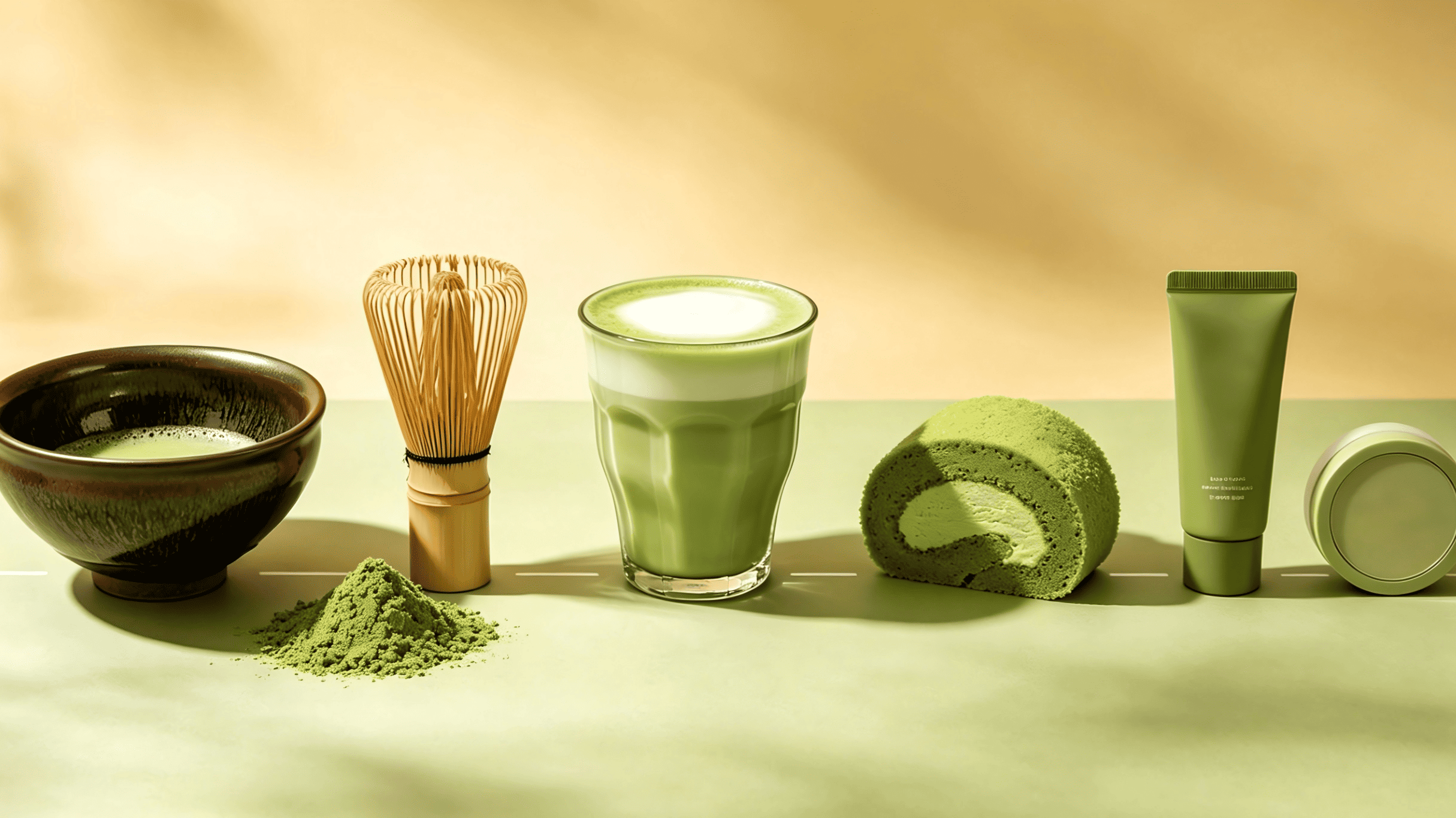
Walk into any café in New York, London, or Sydney, and you’ll find matcha lattes on the menu. Scroll through Instagram, and you’ll see vibrant green smoothie bowls, matcha desserts, and even skincare products. Matcha powder has become a global phenomenon – a $2.7 billion market in 2023, projected to reach $7.1 billion by 2033.
But here’s a question most people can’t answer: Where did matcha come from?
Many assume matcha green tea is exclusively Japanese. The truth is more fascinating – its story begins over 1,200 years ago in China – making China the true birthplace of pure matcha powder.
Chinese Origins: Where It All Began
The earliest records of powdered tea date back to the Three Kingdoms period (220–280 AD) . According to Zhang Yi’s Guang Ya (《广雅》), people would roast tea cakes, then “pound them into powder and place in a porcelain vessel” – a clear description of powdered tea.
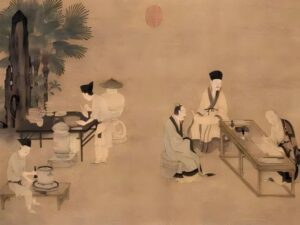
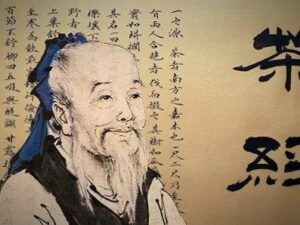
By the Tang Dynasty (618–907) , powdered tea – then called “mo cha” (末茶) – had become well-established. The “father of tea,” Lu Yu, documented it in The Classic of Tea (《茶经》), writing: “There are coarse tea, loose tea, powdered tea, and cake tea.” This was a clear forerunner of what we now call matcha green tea.
The Song Dynasty Golden Age
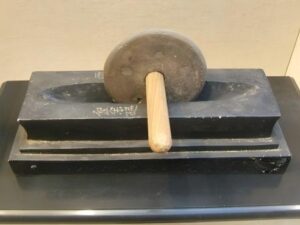
It was during the Song Dynasty (960–1279) that powdered tea reached its zenith. Tea masters ground tea cakes into fine powder using stone mills. The preparation method – called “dian cha” (点茶) – involved placing the powder in a bowl, adding water to make a paste, then whisking with a bamboo whisk (chasen) to create a dense, creamy foam. This is essentially the same method used to prepare matcha today.
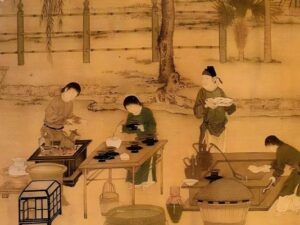
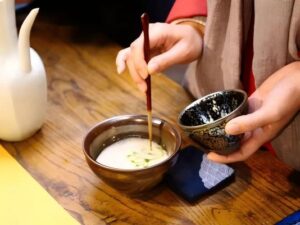
Emperor Huizong, a tea connoisseur, wrote in his Treatise on Tea: “The selection is exquisite, the processing masterful – never before has tea reached such perfection.” Tea competitions (dou cha) became a national pastime.
The Journey to Japan
So how did this Chinese tea tradition become so closely associated with Japan? The answer lies with Buddhist monks. During the Song Dynasty, Japanese Zen monks traveled to China, observed the refined tea culture, and brought both tea seeds and knowledge back to Japan.
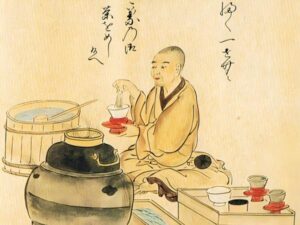
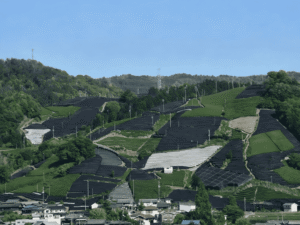
The most influential figure was Eisai (1141–1215), who traveled to China in 1187 and returned in 1191 with tea seeds. He planted them in the Uji region near Kyoto – still one of Japan’s most famous tea-producing areas – and wrote Kissa Yojoki (“Drinking Tea for Health”), Japan’s first tea treatise.
While China later shifted toward steeped loose-leaf tea after the Ming Dynasty (1368–1644), Japan embraced and perfected the powdered tea tradition. By the 16th century, tea master Sen no Rikyū codified the Japanese tea ceremony, establishing matcha as the ceremonial tea – and creating what we now know as ceremonial grade matcha.
The Modern Matcha Revolution
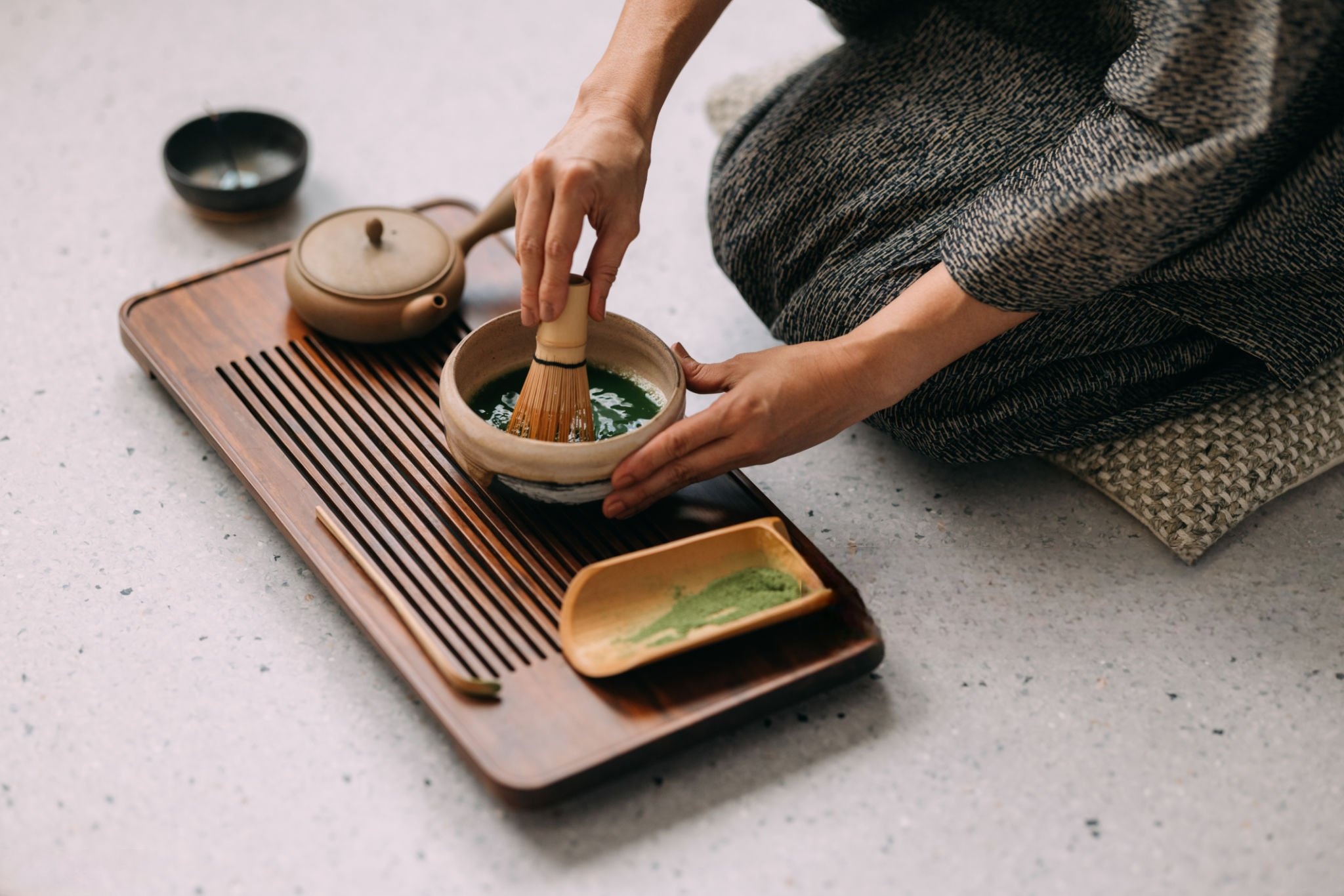
Matcha has completed a remarkable journey – from a Chinese imperial delicacy to a Japanese monastic ritual to a global wellness phenomenon. What’s driving this growth?
1. Health Benefits – Antioxidants in pure matcha green tea (especially EGCG) support metabolism and focus. Many ask “is matcha powder good for skin health” – yes, its anti-inflammatory properties are backed by research.
2. Versatility – From how to make matcha latte at home with powder to matcha powder for ice cream and desserts, matcha powder recipes for baking have exploded in popularity.
3. Visual Appeal – That stunning emerald green color is instantly recognizable – how to identify high quality matcha powder often starts with color.
Where Quality Begins: The Source Matters
Here’s what the history books don’t tell you: matcha’s quality is determined long before it reaches your kitchen.
Authentic, high-quality matcha powder requires:
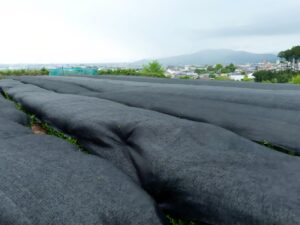
Shade-growing – Plants covered for 3–4 weeks before harvest to boost chlorophyll and amino acids
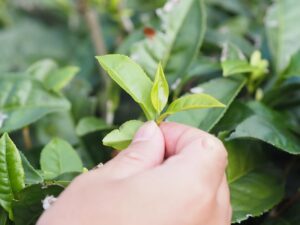
Spring harvest – The first harvest produces the brightest, sweetest tea
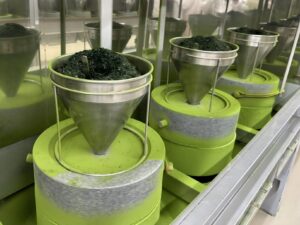
Stone grinding – Slow, cool grinding preserves color and nutrients
Freshness – Does matcha powder expire? Yes – after 6–12 months, color fades and bitterness increases
Why Choose Us – Your Matcha Manufacturer
We are a professional matcha powder manufacturer based in China – the true birthplace of matcha. We supply premium matcha tea to brands worldwide, with four distinct grades

We control every step – from shade-growing and spring harvest to slow stone grinding and nitrogen-flushed packaging. Factory-direct pricing – matcha powder manufacturer direct price with consistent quality across every batch.
FAQ – Questions About Matcha
Q: Where did matcha come from originally?
A: Matcha green tea originated in China during the Tang Dynasty, was perfected in the Song Dynasty, and was later taken to Japan by Zen monks.
Q: What’s the difference between bright green and dull matcha powder?
A: Bright green indicates high chlorophyll from proper shade-growing and freshness. Dull green suggests oxidation or age.
Q: Matcha vs green tea: which is healthier?
A: Matcha contains higher concentrations of antioxidants because you consume the whole leaf, not just steeped water.
Q: Can you drink matcha powder with water only?
A: Yes – traditional usucha is simply pure matcha powder and hot water, whisked to a froth.
Q: Where to buy best matcha powder for my brand?
A: We offer wholesale matcha powder for cafes and bakeries with sample pack of premium matcha powder available. Contact us below.
Q: What’s the best way to whisk matcha powder without lumps?
A: Sift the powder first, add a small amount of water to make a paste, then whisk vigorously in a zigzag motion.
The Story Continues – With You
Matcha’s 1,200-year journey is far from over. The global market is growing rapidly, and brands that enter now are positioned for success.
Whether you’re launching a matcha latte line, developing new matcha powder for ice cream and desserts, or creating wellness products, the quality of your matcha matters. Your customers can taste – and see – the difference.
Ready to be part of matcha’s next chapter? Contact us for paid samples, COA, color stability data, and wholesale quotes. We ship worldwide.
From the birthplace of matcha, to the world.
#WhereDidMatchaComeFrom #MatchaHistory #WholesaleMatchaPowder #HowToIdentifyHighQualityMatcha #CeremonialGradeMatcha
Leave a Reply