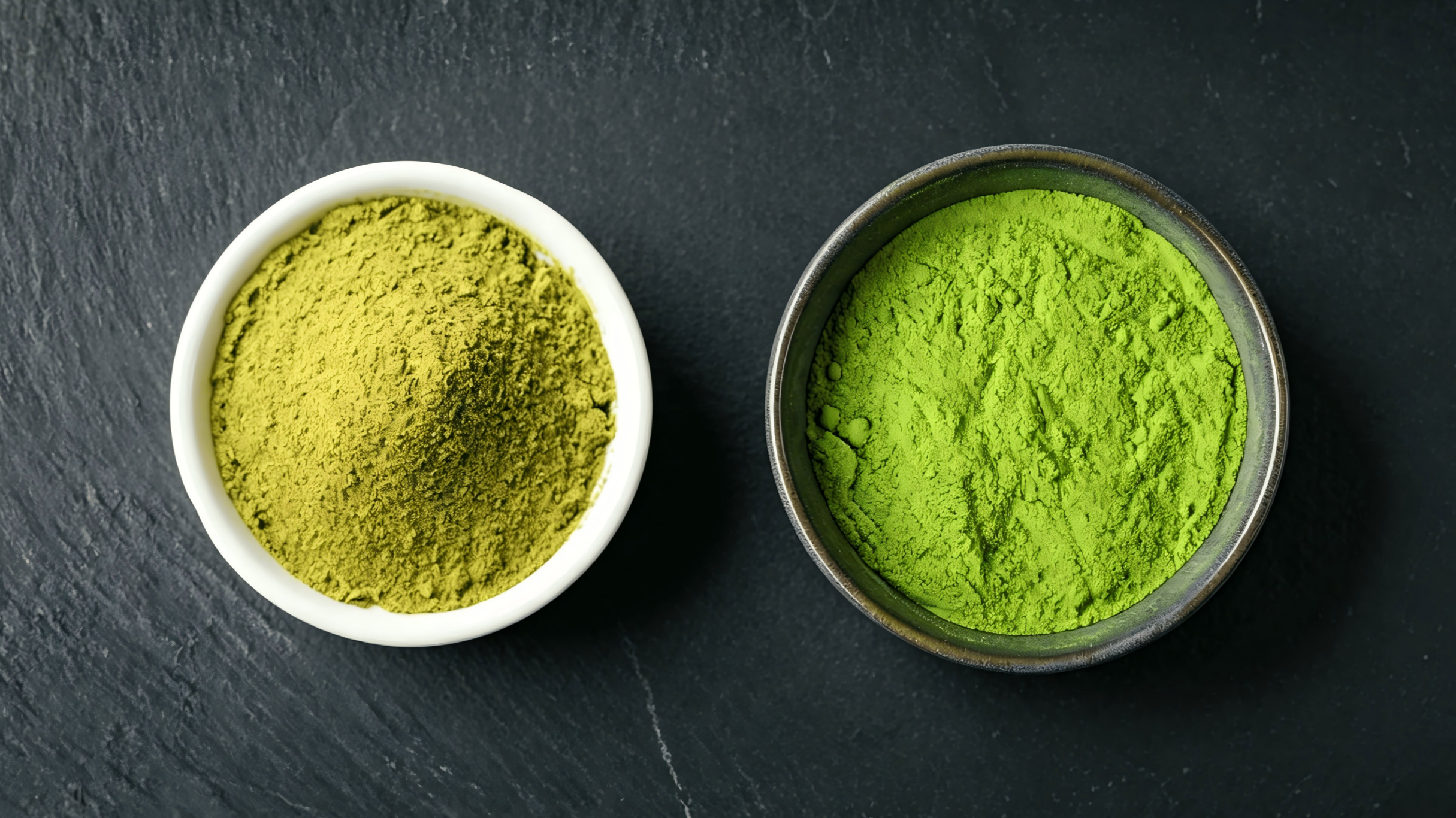
Not all matcha powder is created equal. If you’ve ever shopped for organic matcha green tea powder, you’ve likely seen two main grades: ceremonial grade matcha and culinary matcha. But what do these labels really mean? Can you use ceremonial grade matcha for baking? Should you whisk culinary matcha as a daily tea?
As a matcha powder manufacturer supplying businesses worldwide, we get these questions daily. The short answer: each grade has a specific purpose. Using the wrong one wastes money and ruins flavor. This guide covers ceremonial grade vs culinary grade matcha powder – including taste, color, price, and how to choose the best matcha powder for your needs, whether you run a café, bakery, or want pure matcha powder for home use.
What is Ceremonial Grade Matcha?
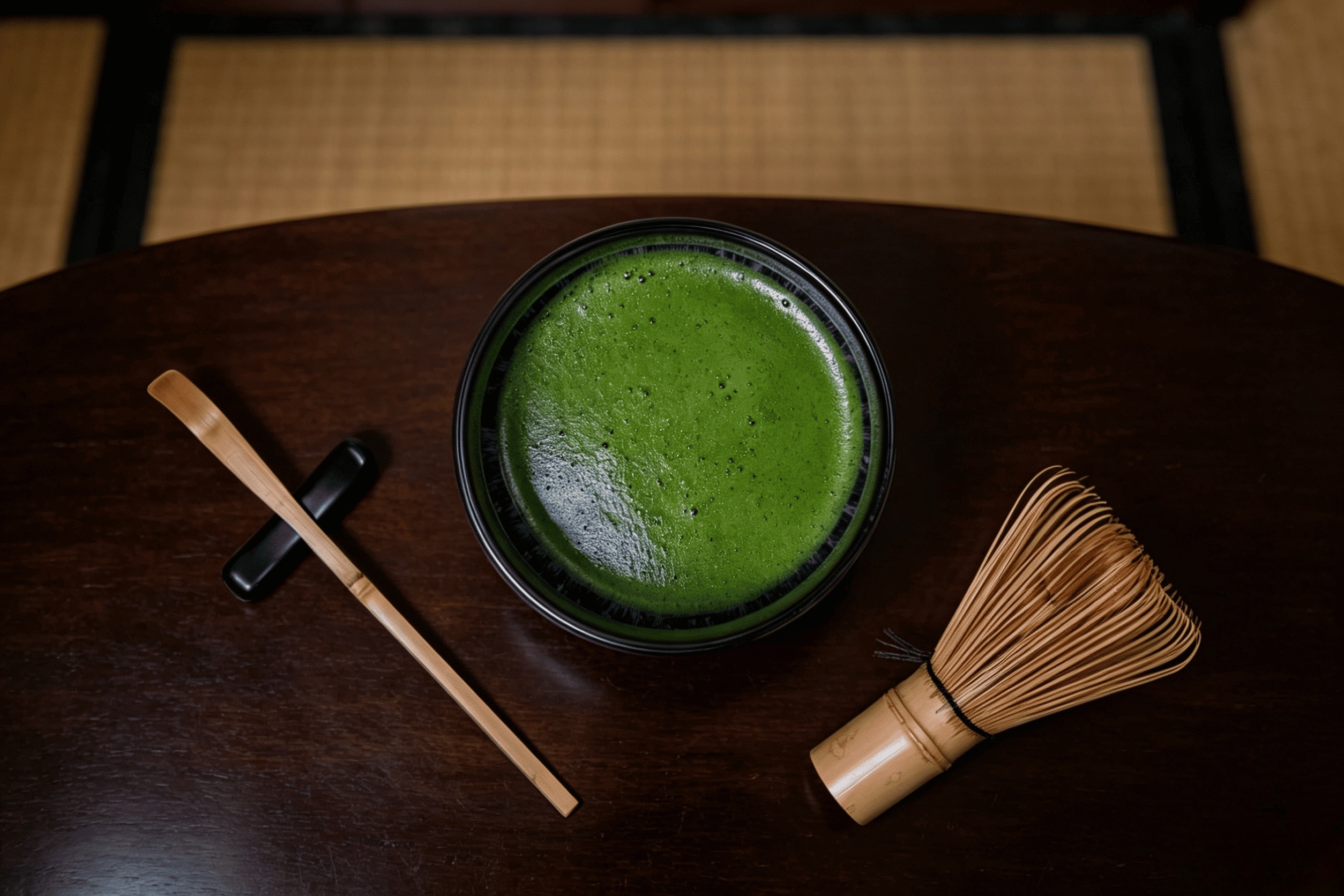
Ceremonial grade matcha is the highest quality premium matcha tea. It comes from the youngest, shade-grown leaves (top three of each branch). Leaves are hand-picked, steamed, dried, and slowly stone-ground into ultra-fine pure matcha powder.
Key characteristics
Color: Vibrant bright emerald green – a sign of high-quality matcha green tea
Texture: Silky smooth, passes a 300-mesh sieve
Taste: Delicate, umami-rich, naturally sweet – almost no bitterness
Aroma: Fresh steamed greens or light seaweed
Best for
Traditional tea ceremony
Drinking straight with hot water (how much matcha powder to use per cup: 1–2g per 70ml water)
High-end gift sets
Due to labor-intensive production, ceremonial grade is significantly more expensive than culinary grade.
What is Culinary Grade Matcha?
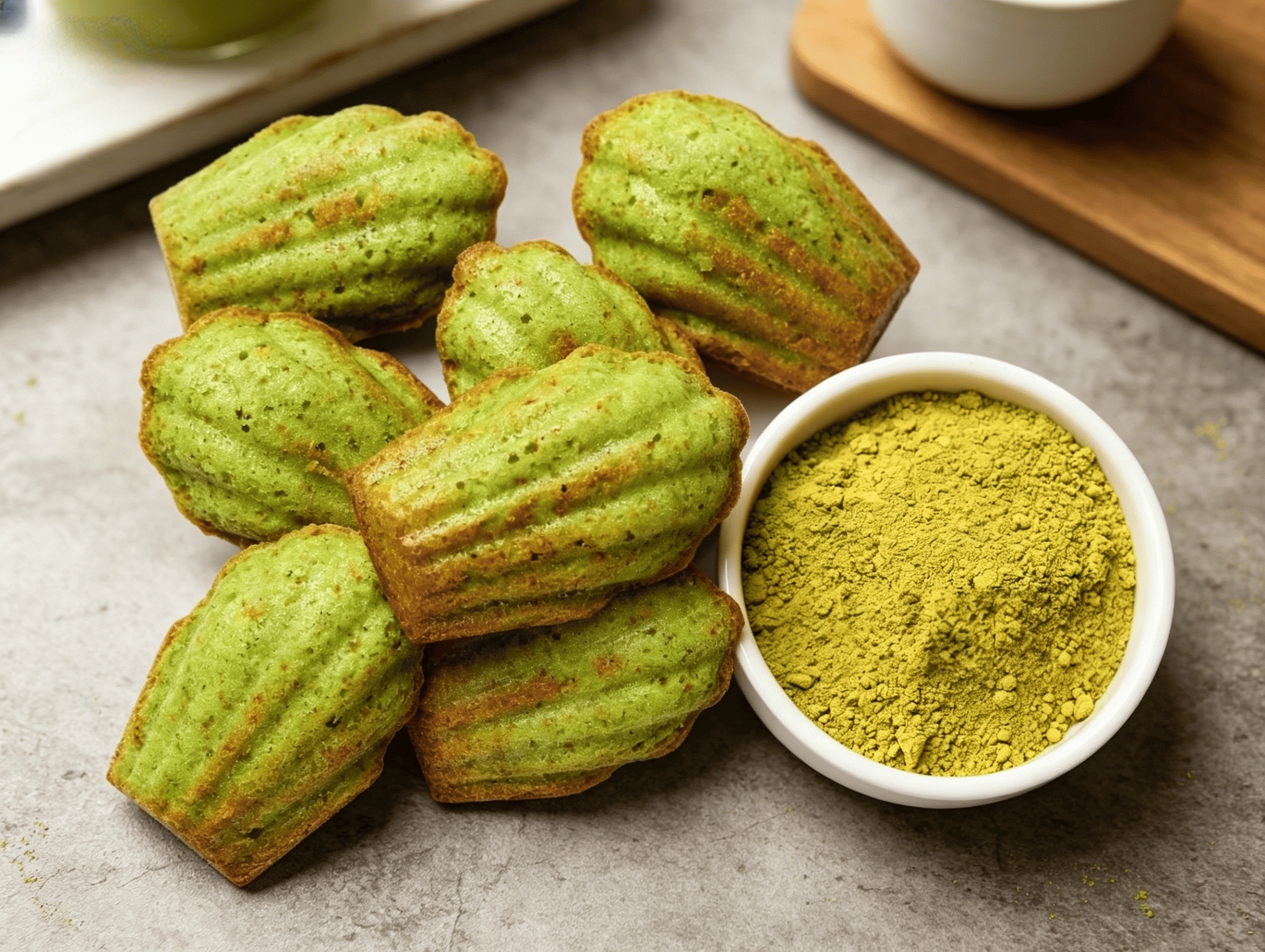
Culinary matcha is specifically produced for recipes. It uses slightly older leaves or leaves from lower branches. Still shade-grown, but not necessarily hand-picked or ground to the same ultra-fine standard. This is the go-to culinary grade matcha powder for baking, cooking, and lattes.
Key characteristics
Color: Duller, yellowish-green or olive-toned
Texture: Slightly coarse, can feel grainy
Taste: More astringent, noticeably bitter, less umami
Aroma: Less fresh, sometimes earthy
Best for
Matcha powder recipes for baking (cookies, cakes)
Desserts – matcha powder for ice cream and desserts
Smoothies – how to use matcha powder in smoothies
How to make matcha latte at home with powder – just add milk and sweetener
Sauces, dressings, marinades
Culinary grade is affordable – often 50–70% cheaper than ceremonial grade. Its bitterness is balanced by sugar, fat, or dairy.
Side-by-Side Comparison: Ceremonial vs. Culinary Matcha
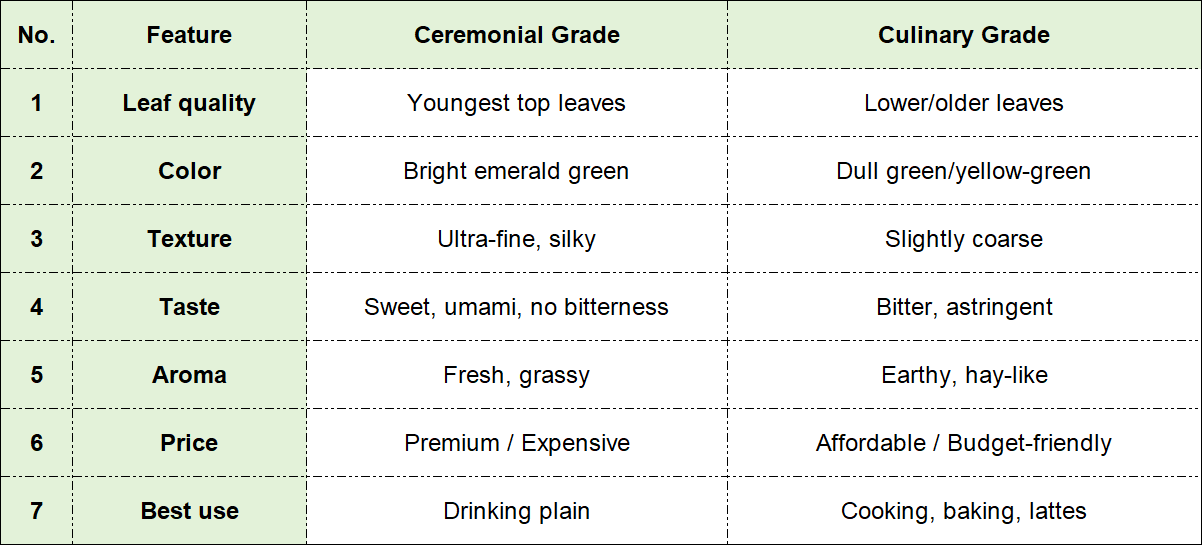
How to identify high quality matcha powder? Look for bright green color, fine texture, and fresh aroma. Avoid dull or brownish powders.
Can You Use Ceremonial Grade for Cooking?
Technically yes – but rarely smart. Heat (above 65°C) destroys ceremonial’s delicate umami. Baking turns vibrant green muddy brown. You pay a premium price for zero benefit. Exception: some chefs use it in no-bake desserts (cream fillings, raw cheesecakes, final dusting). For most, culinary grade matcha powder is the smarter choice.
Can You Drink Culinary Grade as Tea?
You can, but you won’t enjoy it. Drinking culinary matcha straight with water tastes harsh and bitter. If that’s all you have, follow best way to whisk matcha powder without lumps – use a fine sieve and whisk vigorously – then make a latte. The benefits of drinking matcha powder everyday (antioxidants, calm energy) still apply, but flavor suffers.
How to Choose the Right Matcha Grade for Your Business
For cafés & tea shops
Matcha latte base → Culinary grade (or “premium culinary”)
Straight matcha for customers → Ceremonial grade matcha (small portions, high margin)
Wholesale matcha powder for cafes and bakeries – we offer bulk pricing
For bakeries & dessert manufacturers
Cakes, cookies → Culinary grade – heat mutes flavor anyway
No-bake cheesecakes, truffles → Premium culinary or entry-level ceremonial
Matcha powder recipes for baking work best with culinary grade
For restaurants (savory dishes)
Sauces, dressings → Culinary grade
Is matcha powder good for skin health? Some chefs add it to dishes for antioxidant appeal
For B2B buyers: We supply bulk matcha powder (both grades) with custom packaging and full lab reports. Always ask for heavy metal testing – especially for ceremonial sold as drinking tea.
A Note on “Premium Culinary” or “Latte Grade”
Some suppliers offer a middle category: premium culinary or latte grade. Brighter color, less bitterness, but still not smooth enough for straight drinking. Perfect for high-volume lattes, bubble tea, or frozen desserts where you want a greener look without the ceremonial price tag.
Final Recommendation Table
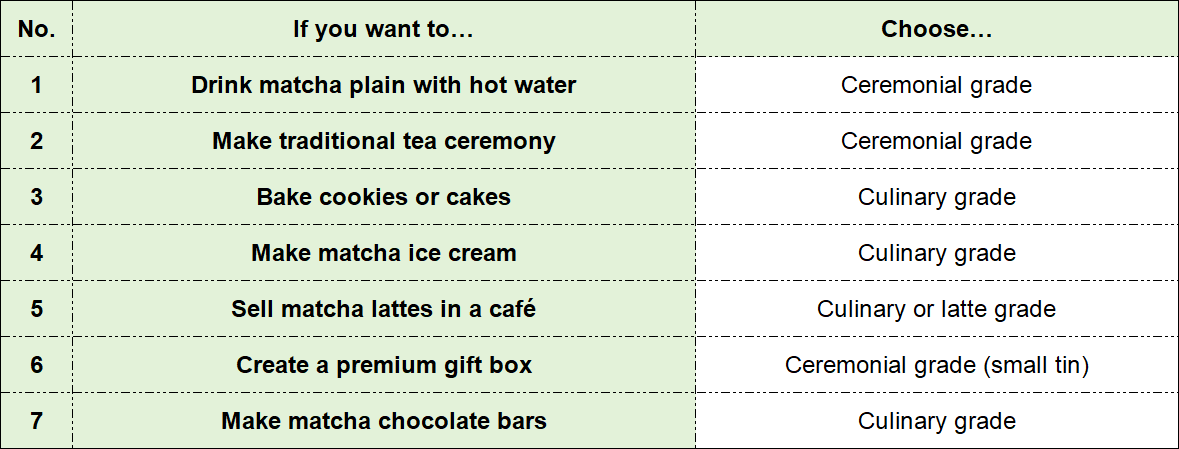
Bottom line: Don’t waste ceremonial grade matcha on baking. Don’t drink cheap culinary matcha straight. Match the grade to your application – and you’ll get the best flavor for the best cost.
Frequently Asked Questions (FAQ)
Q1: How much matcha powder to use per cup?
For thin tea (usucha): 1.5–2g (about ½ teaspoon) per 70ml water. For a latte: 2–3g.
Q2: How to store matcha powder for freshness?
Keep in an airtight container, away from light, heat, and moisture. Refrigeration extends shelf life.
Q3: Is matcha powder good for skin health?
Yes – the antioxidants (EGCG) in pure matcha powder may help reduce inflammation and protect against UV damage when consumed regularly.
Q4: Can you drink matcha powder with water only?
Absolutely – that’s the traditional way. Use ceremonial grade matcha for the best taste.
Q5: Does matcha powder expire or go bad?
Yes. Typically 6–12 months after opening. Old matcha turns brown and loses flavor.
Q6: What’s the difference between organic vs non-organic matcha green tea powder?
Organic matcha is grown without synthetic pesticides. Both can be high quality, but organic matcha green tea powder is preferred by health-conscious buyers.
Q7: Is matcha powder good for weight loss and energy?
Yes – matcha boosts metabolism and provides steady energy without a coffee crash, thanks to L-theanine.
Need bulk matcha powder for your business? We are a professional matcha powder manufacturer. We supply ceremonial grade matcha, culinary matcha, and organic matcha green tea powder in custom packaging with full lab reports. Contact us for sample pack of premium matcha powder and wholesale pricing.
#best matcha powder #ceremonial grade matcha #culinary matcha powder #organic matcha green tea powder #pure matcha powder #ceremonial grade vs culinary grade matcha powder
Leave a Reply